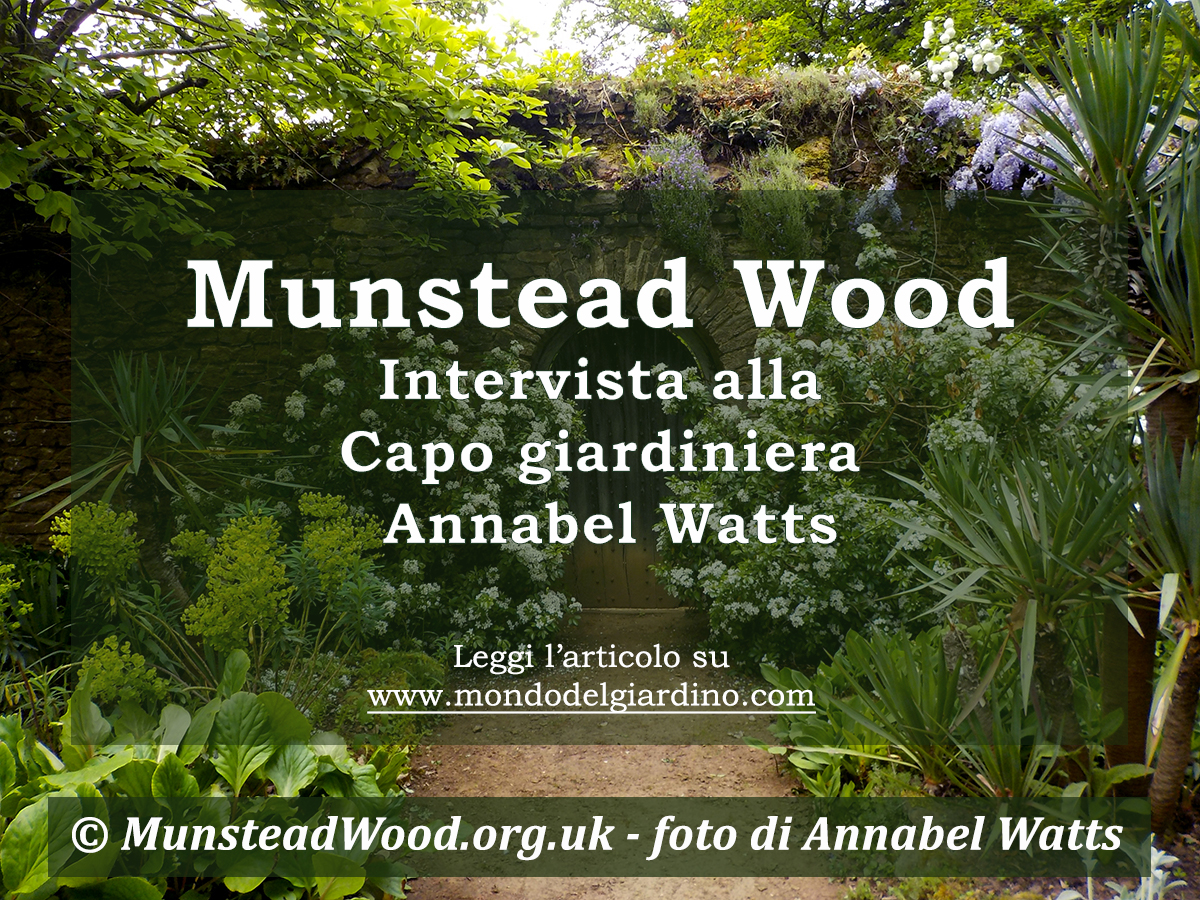
Munstead Wood: An Interview with Annabel Watts. We interviewed Annabel Watts, Head Gardener at Munstead Wood—the home and garden of Gertrude Jekyll. Through her stories, we discover how one of the most significant gardens in the history of landscape design was restored, which of Jekyll’s design principles are still applied today, and what makes this place a touchstone for designers, gardeners, and enthusiasts from around the world.
Munstead Wood: Interview with Annabel Watts
Why Getrude Jekyll?
As you know by now, the gardening world takes a keen interest in Gertrude Jekyll’s work—an interest reflected in the two books we have reviewed.
We are convinced that much of Jekyll’s work has been lost to modern garden-making practices,
yet her insights offer valuable information for both professional designers and private homeowners—who, given the simplicity of her ideas, can put her teachings into practice themselves.
This time, we were fortunate enough to speak with Annabel Watts, the head gardener who has tended the grounds of Munstead Wood—Gertrude Jekyll’s home—for 25 years.
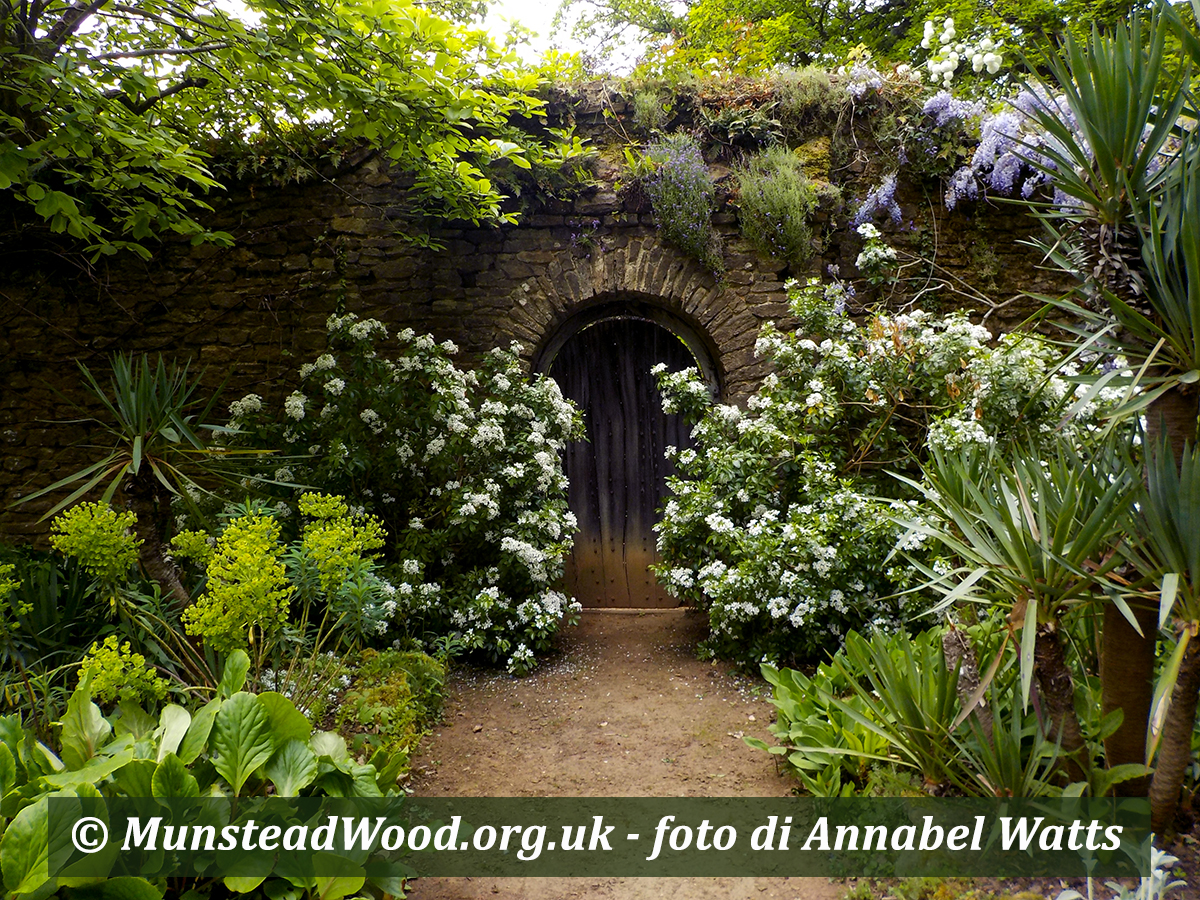
Who is Gertrude Jekyll?
And why is it important? Miss Jekyll—as Annabel Watts calls her—was fortunate enough to be born into a wealthy family and to spend her time among flowers and in nature from a very early age.
It was there that she developed a love for what would later become part of her work, as well as a deep knowledge of plants. She embraced the Arts and Crafts movement.
the design of the house to Lutyens
and had Edwin Lutyens build his home in the style of the movement.
The garden project is hers.
She herself designed the garden became the first of hundreds she would create in the United Kingdom and around the world
and established the benchmark for the modern garden, of which she can effectively be considered the mother.
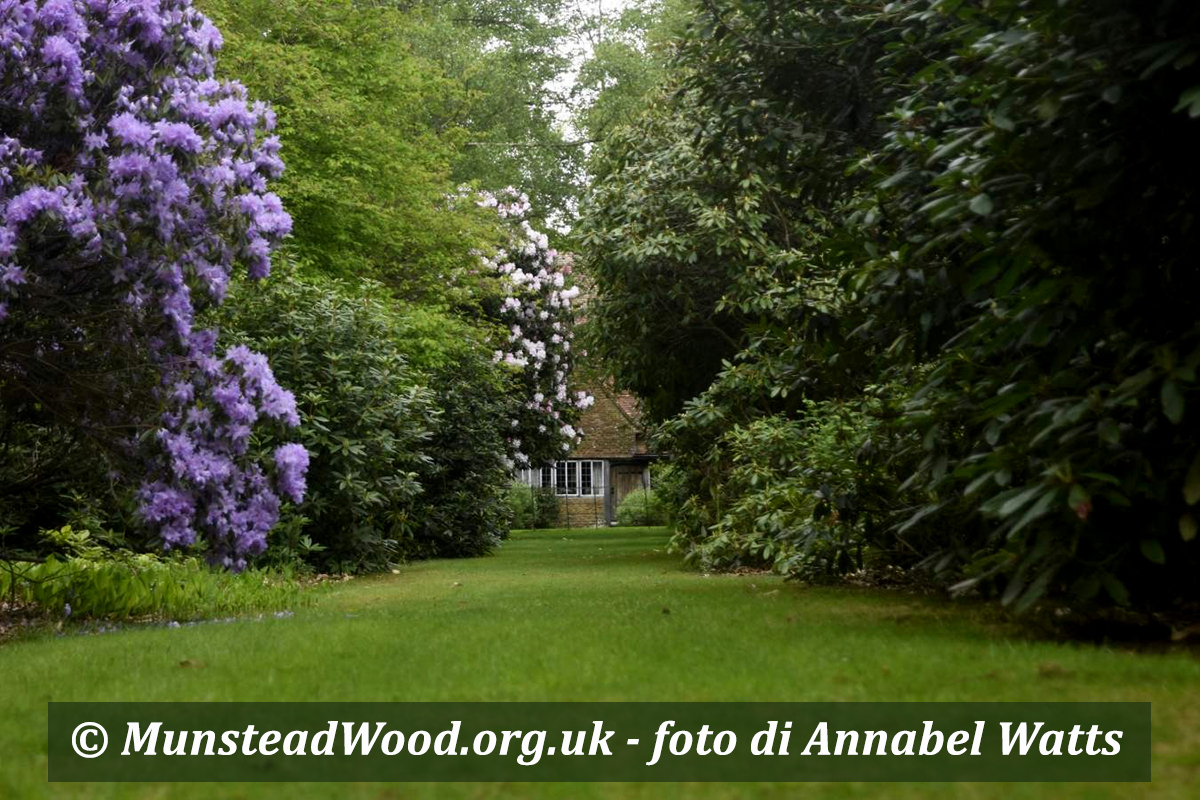
Munstead Wood: Interview with Annabel Watts. The first question.
The first question we asked concerned how difficult it has been, over the years, to preserve the spirit and integrity of Jekyll’s original vision at Munstead Wood.
Indeed, many late 19th-century gardening methods differ significantly from those used today, both in practical and economic terms.
I am thinking, for instance, of the extraordinary preparation involved in the deep herbaceous borders—which were sometimes excavated to considerable depths prior to planting.
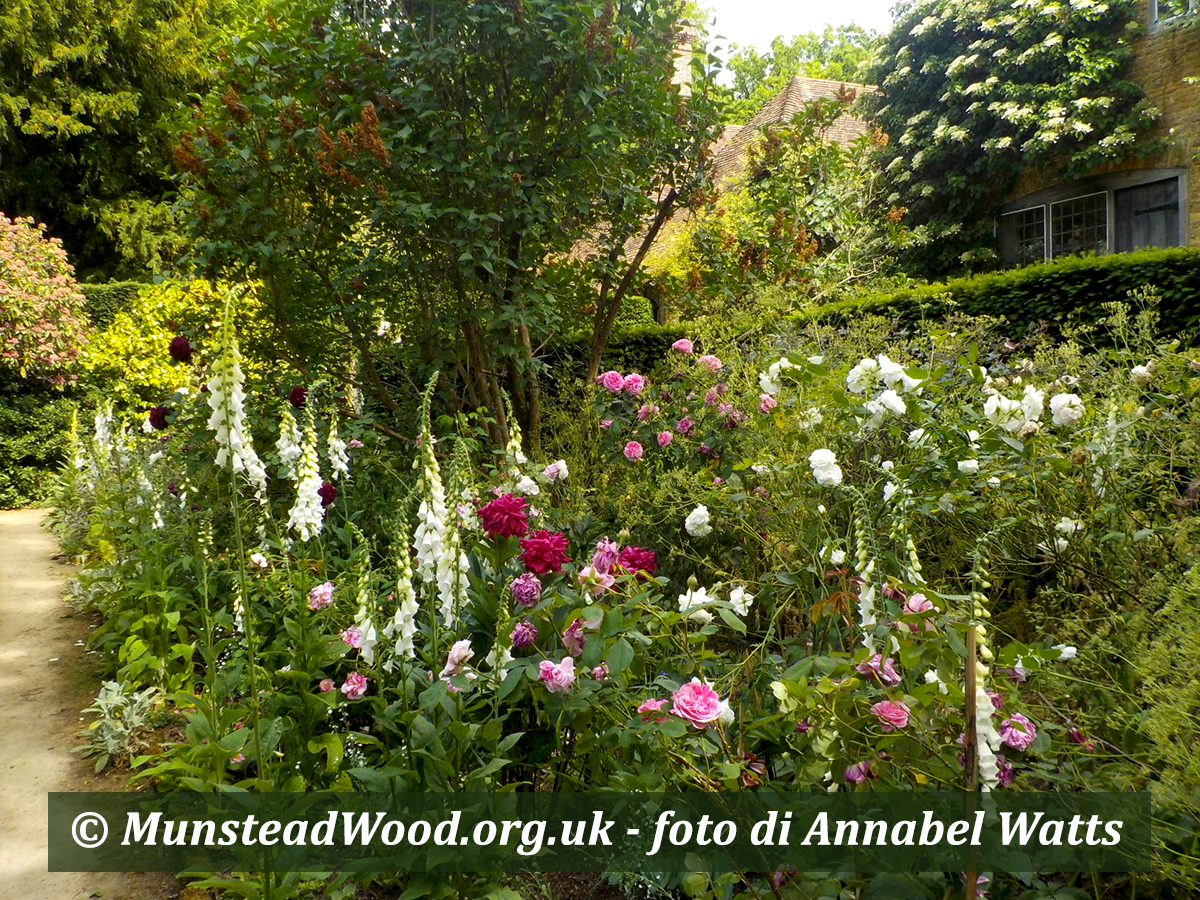
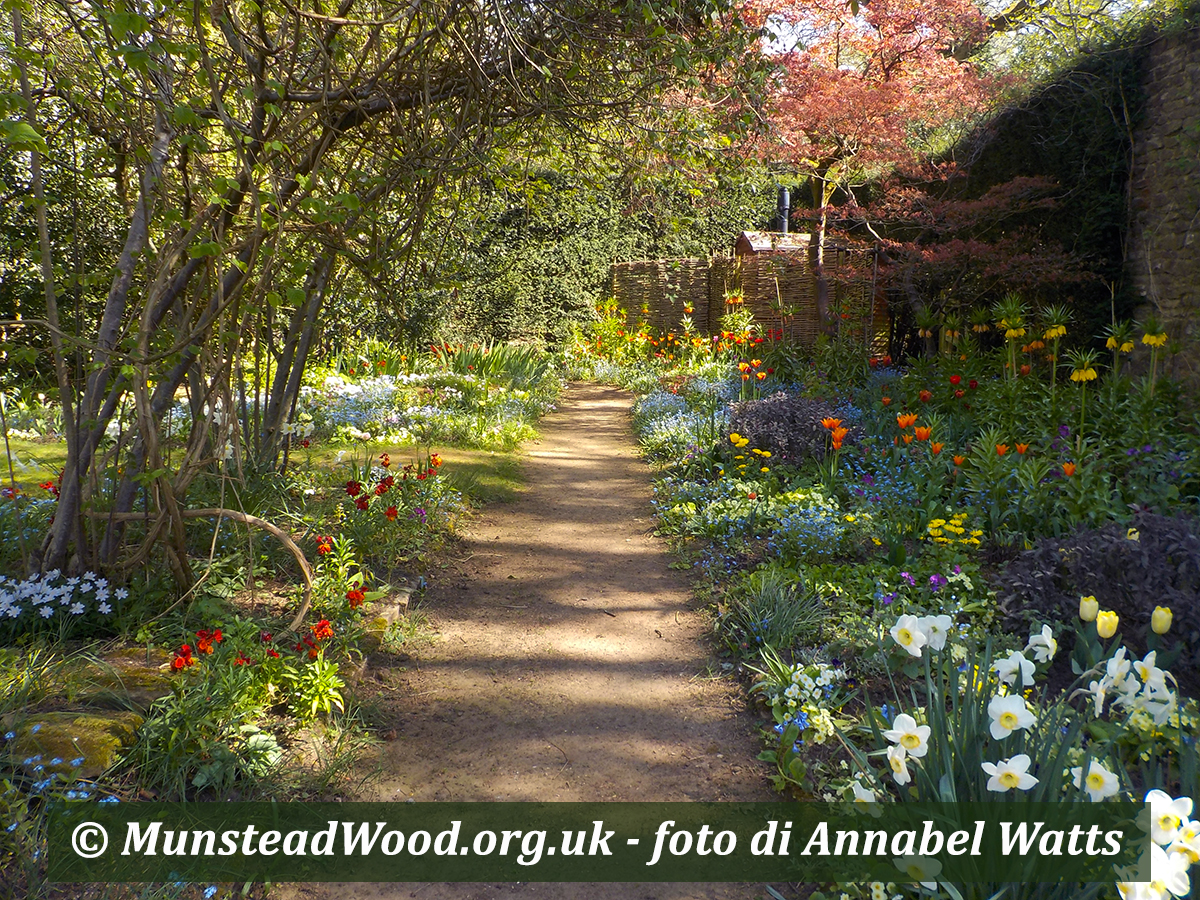
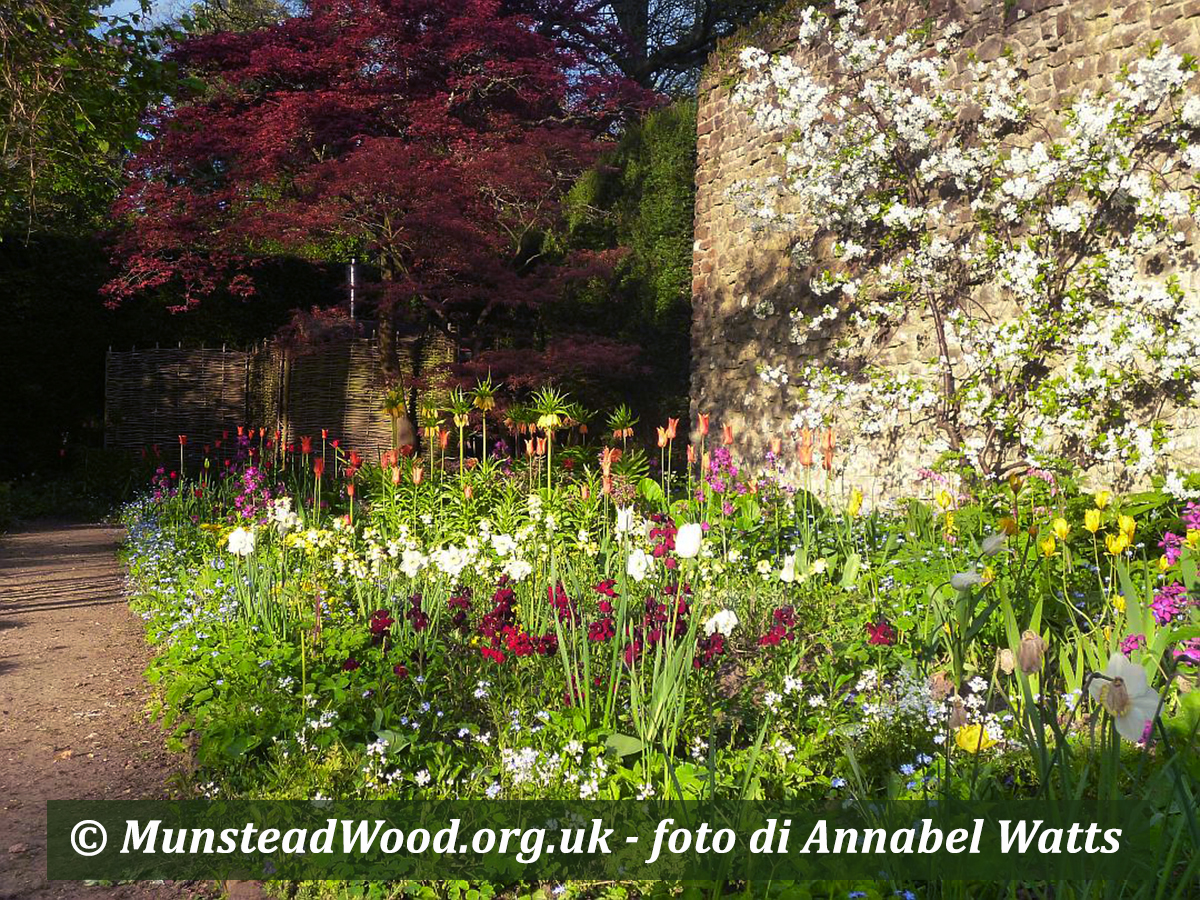
Are there practices, principles, or approaches that you still maintain today largely as Jekyll originally conceived them,
or has modern gardening inevitably altered much of her work? Do any specific examples come to mind?
Response from Annabel Watts
First of all, I would like to point out that the original garden at Munstead Wood, as created by Miss Jekyll, extended over 15 acres.
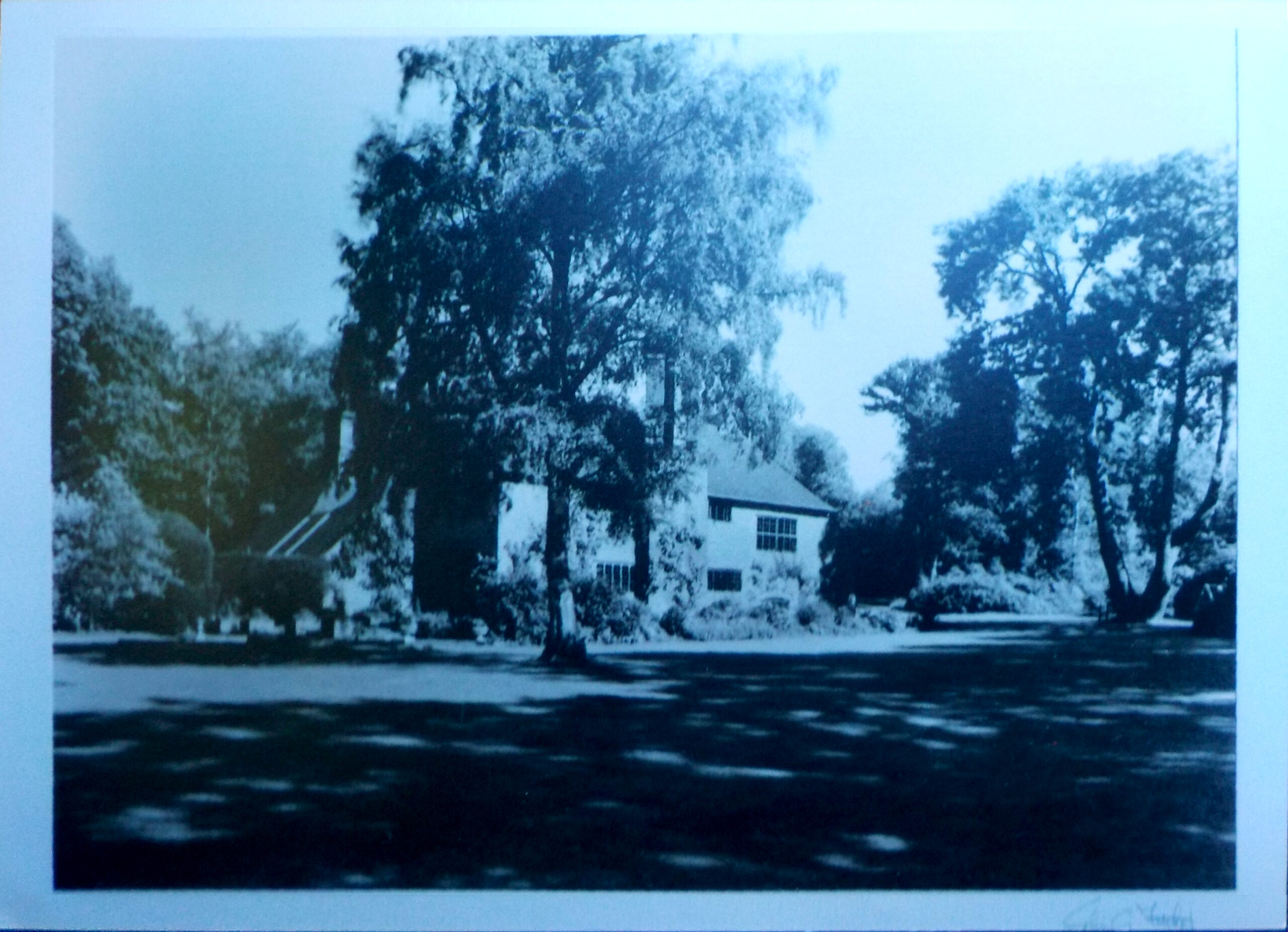
Response from Annabel Watts
During World War II, the site became overgrown and neglected, to the point where the owner at the time—Jekyll’s nephew—divided the entire area into five separate properties and sold them off.
In 1949, the new owners of the house, the woodland, and the 11-acre formal garden did not want an old-fashioned garden, so they covered the famous borders and paths created by Miss Jekyll with lawn;
later, they built a swimming pool, a sauna, a tennis court, a paddock, and a stable, removing plants and woodland trees in the process.
private residence
It became a private residence, having lost much of its original character.
A storm in 1987 caused extensive damage to the garden, but once it had been cleared, the then head gardener asked the owner, Sir Robert Clark,
whether this might be a good opportunity to restore the garden to its former state,
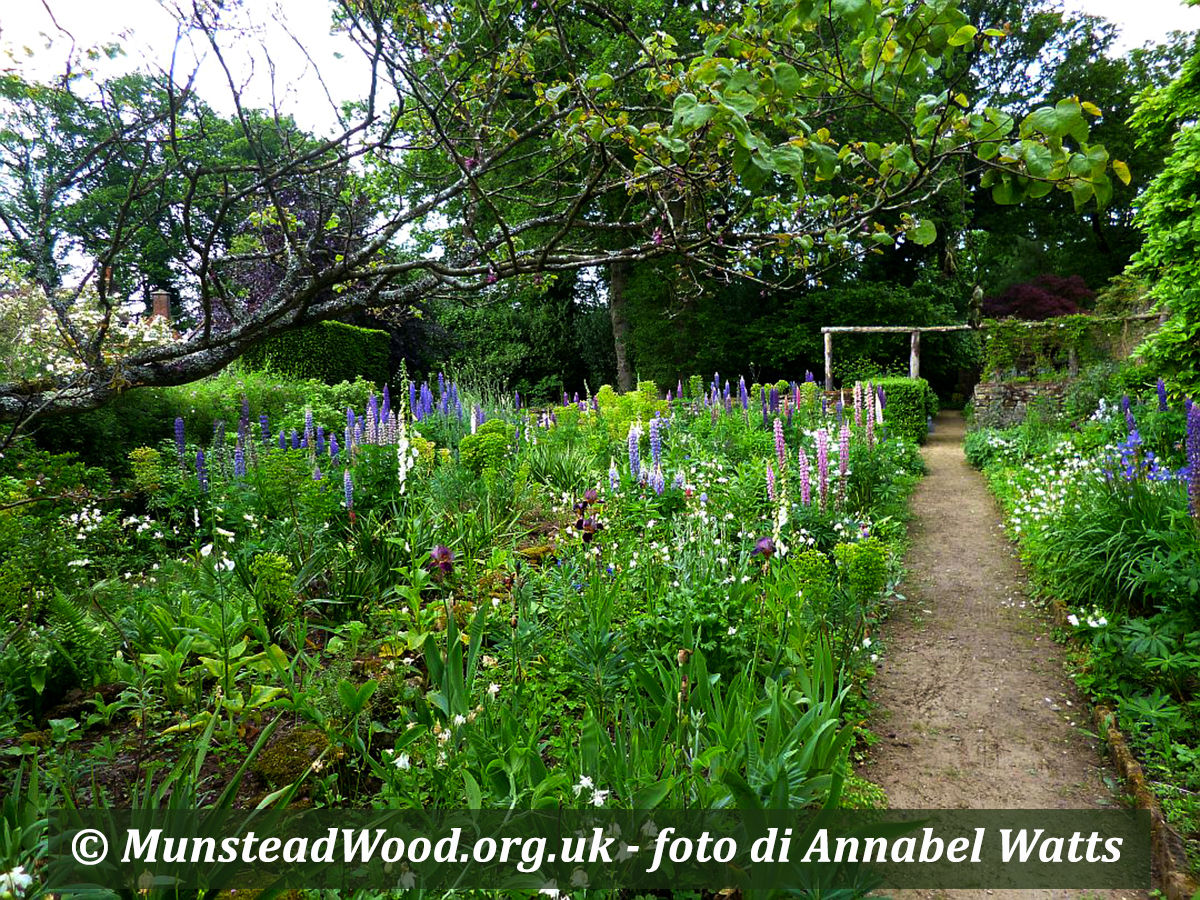
using the numerous photographs taken by Miss Jekyll as well as the articles and books she had written about the garden.
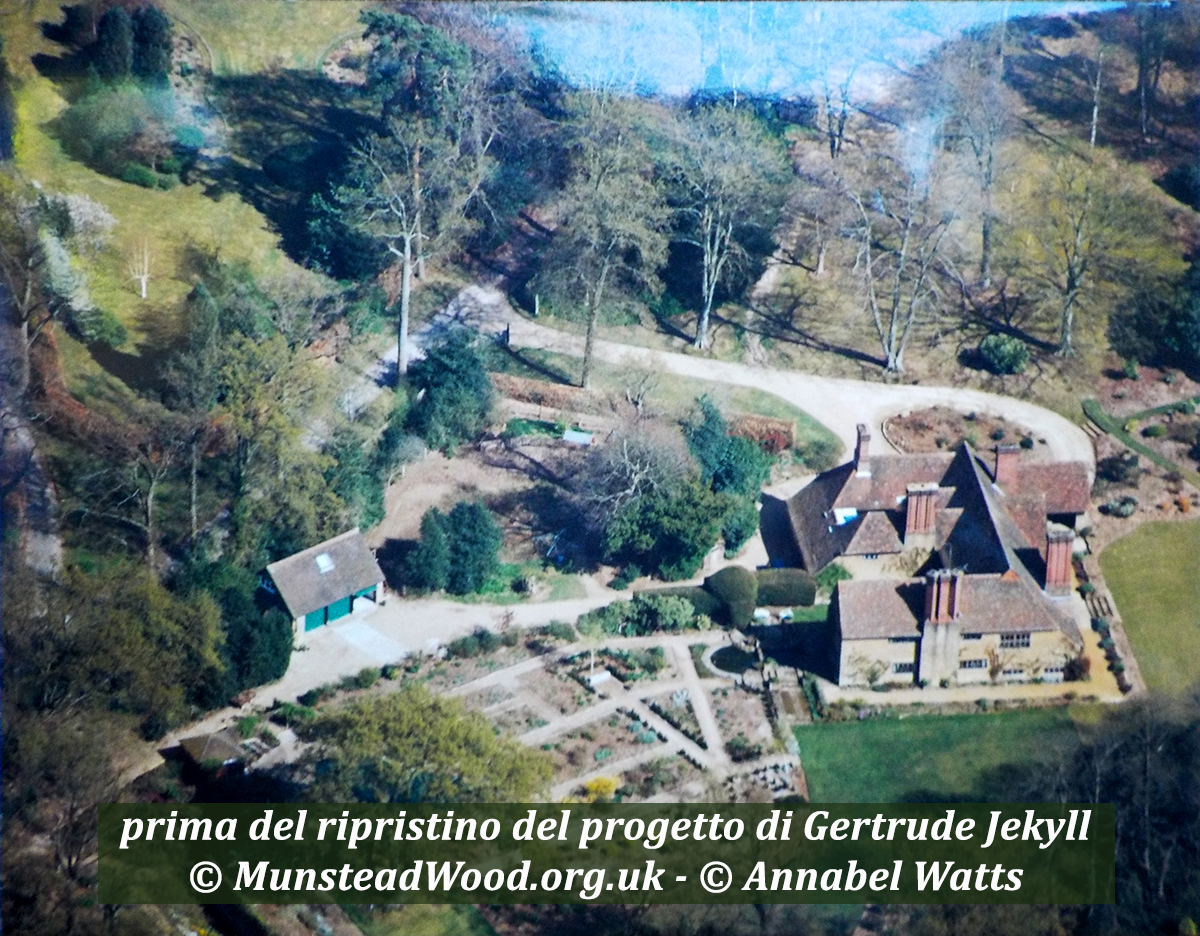
Work began in the early 1990s, and the gardens gradually matured, becoming as close as possible to how Miss Jekyll would have known them—though not the original 15 acres, but rather the 11 acres that make up Munstead Wood today.
I simply picked up the work where the two previous head gardeners had left off, expanding and enhancing the restoration effort.
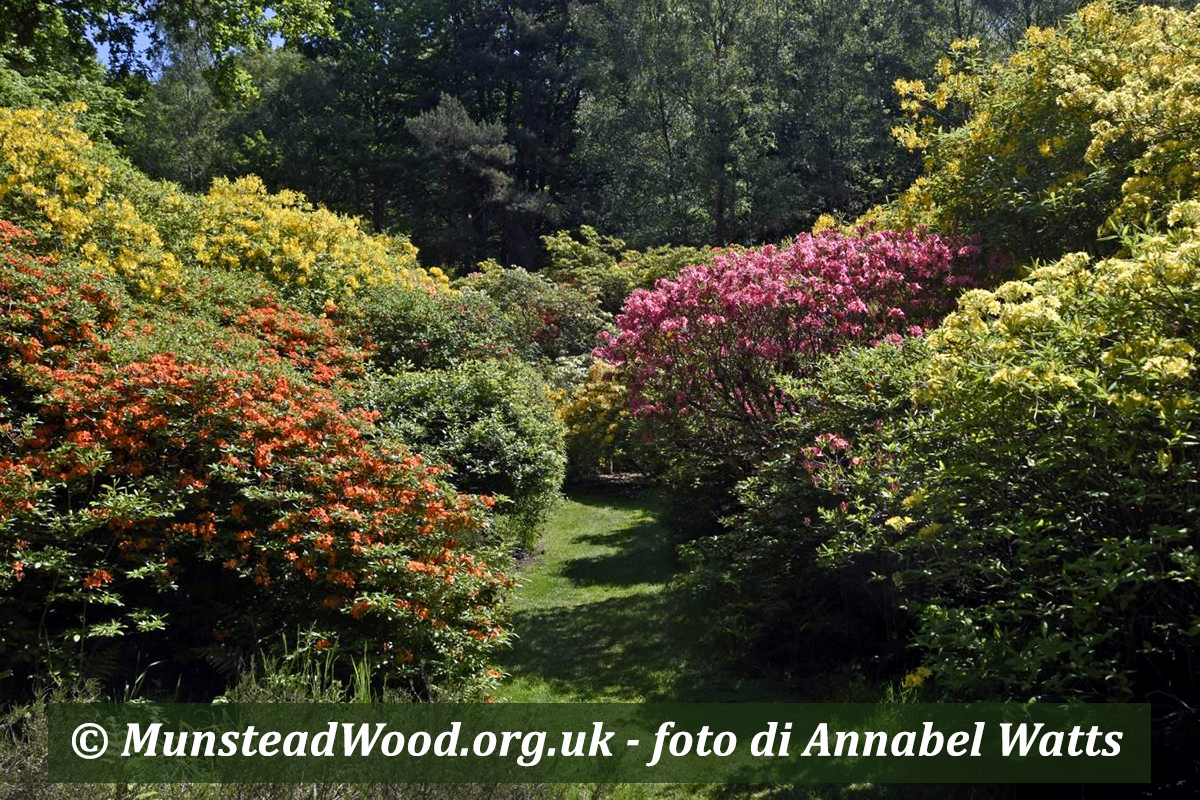
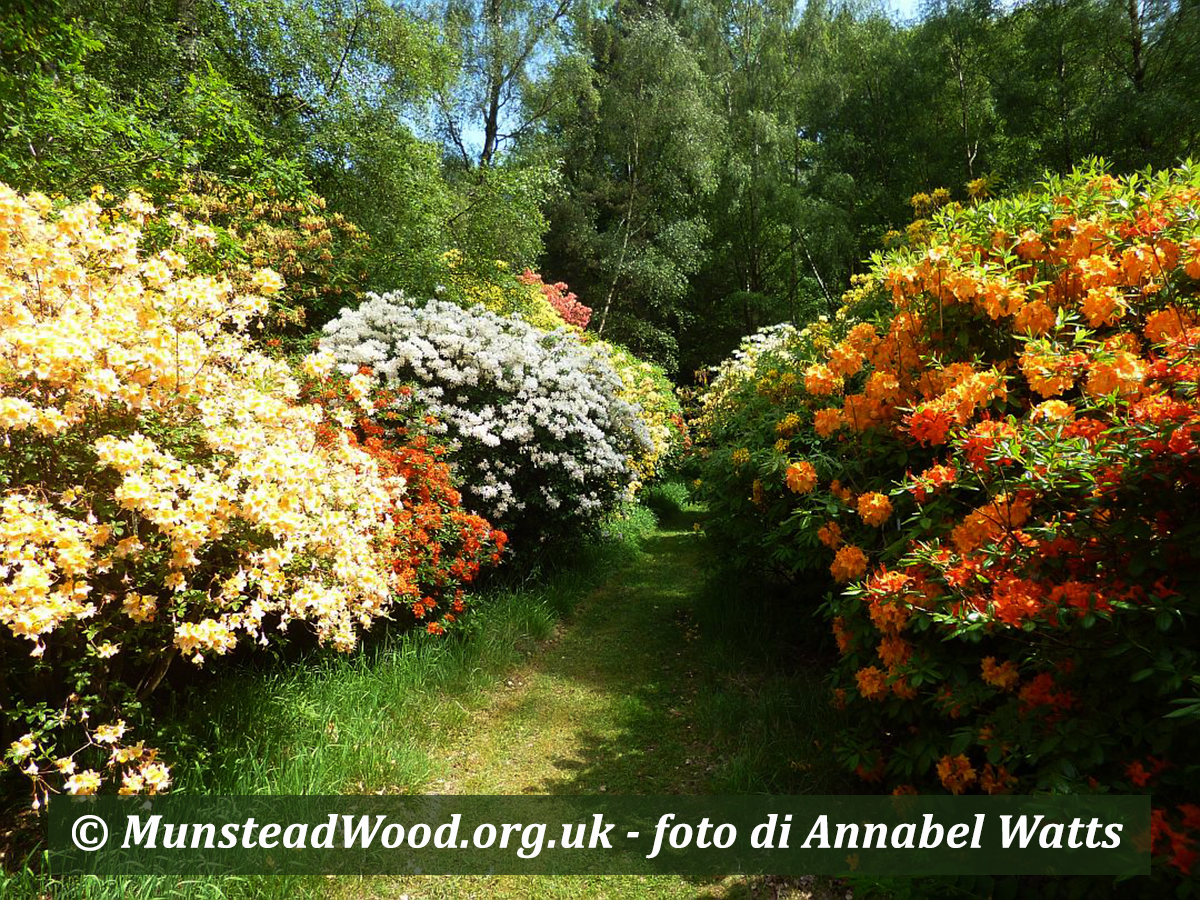
The architectural elements
The Lutyens pergola has survived, as has the terrace (second photo), and the sandy path around the house has been restored, having previously been paved with asphalt in the 1950s.
The fact that Miss Jekyll wrote so extensively about Munstead Wood was crucial to the restoration of the gardens.
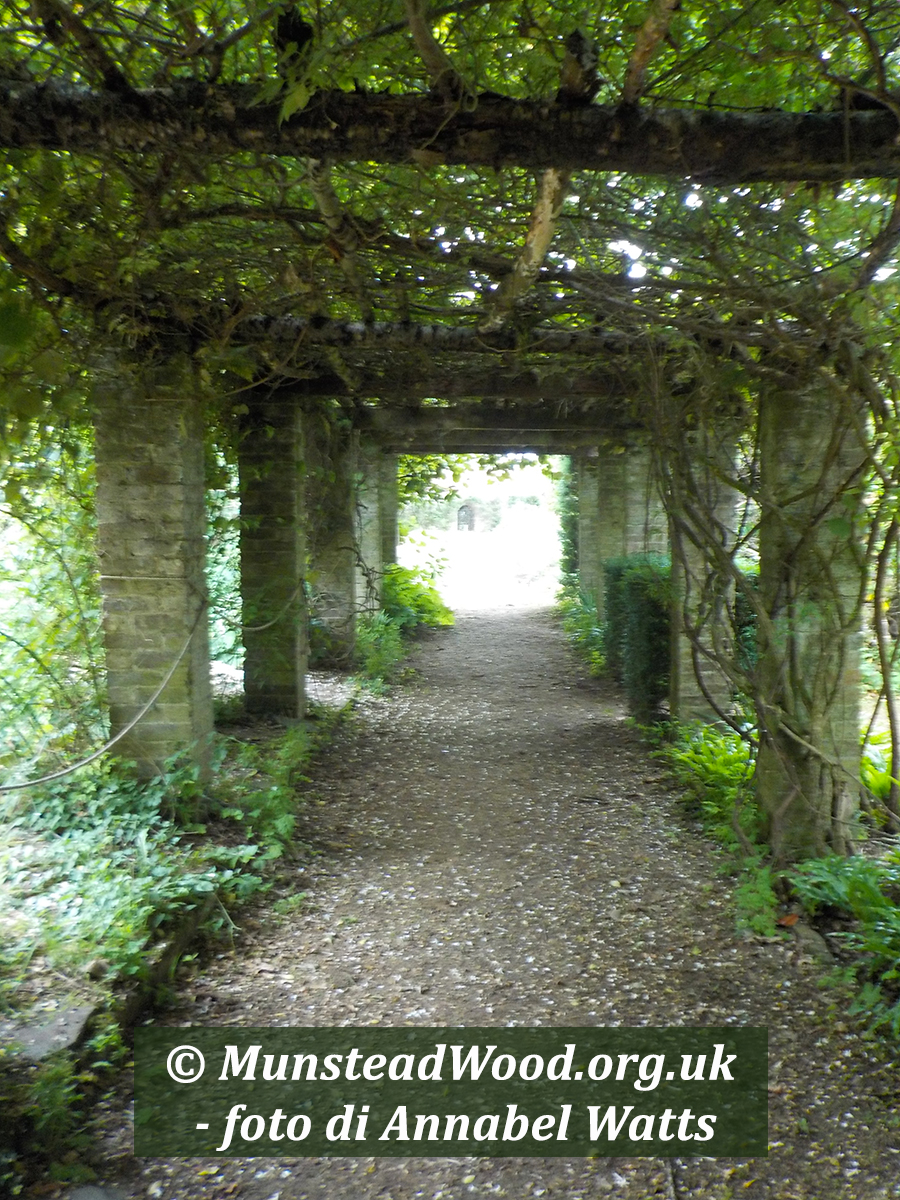
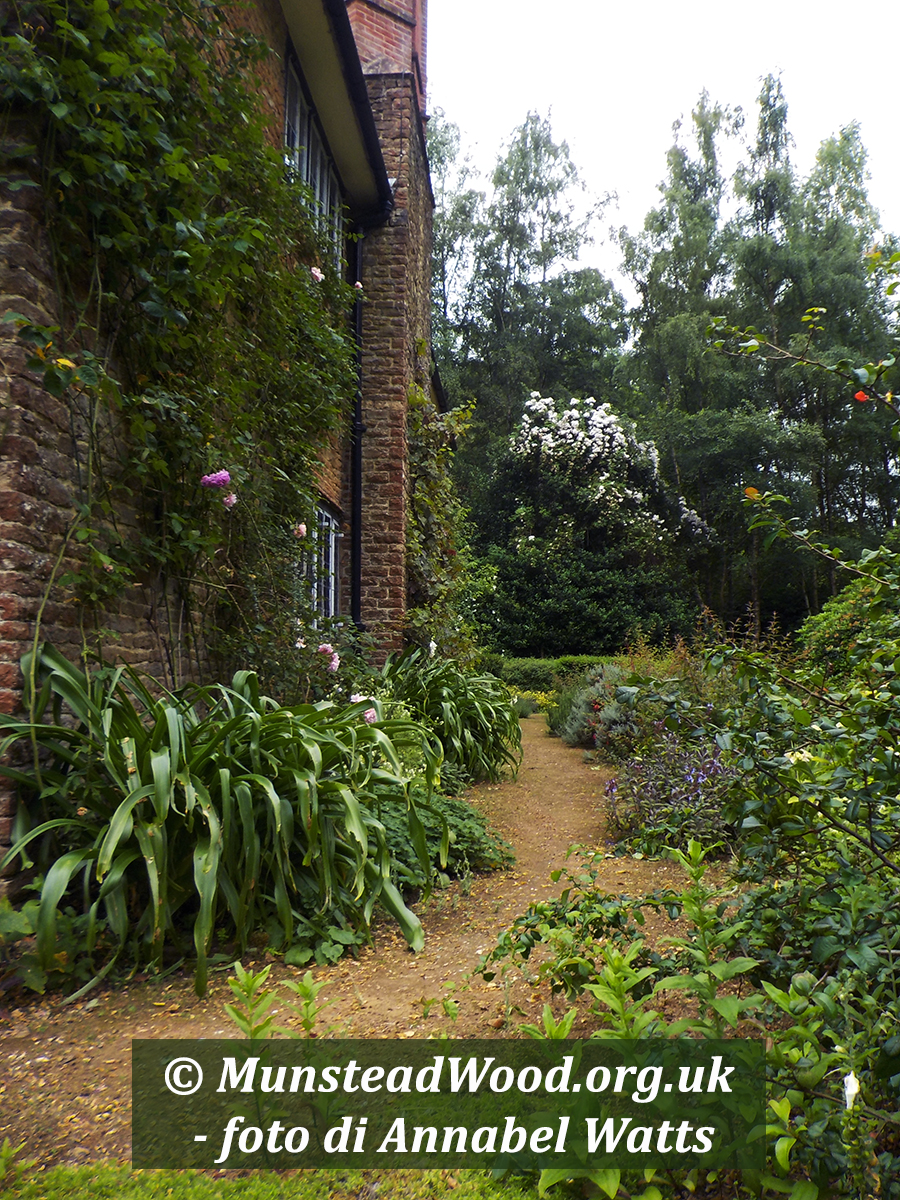
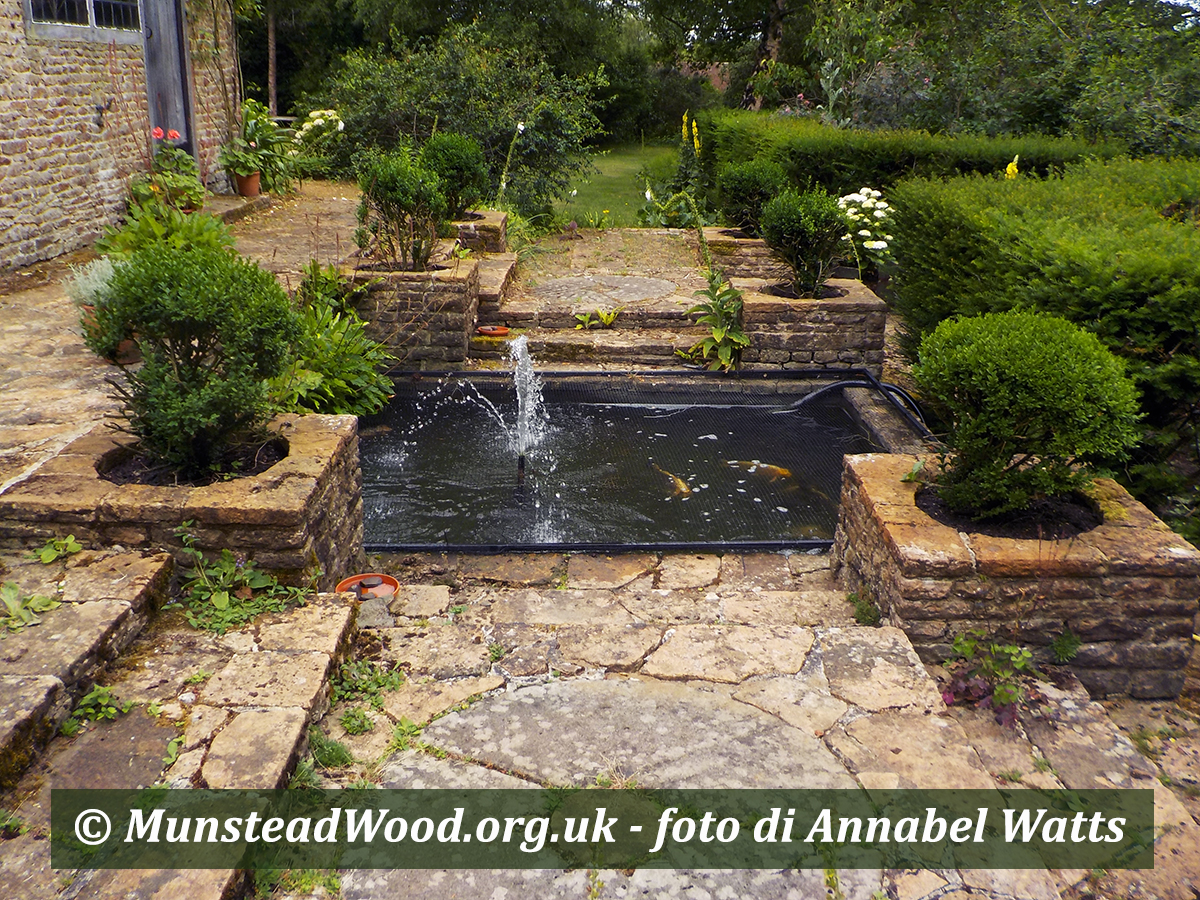
The details that make the difference
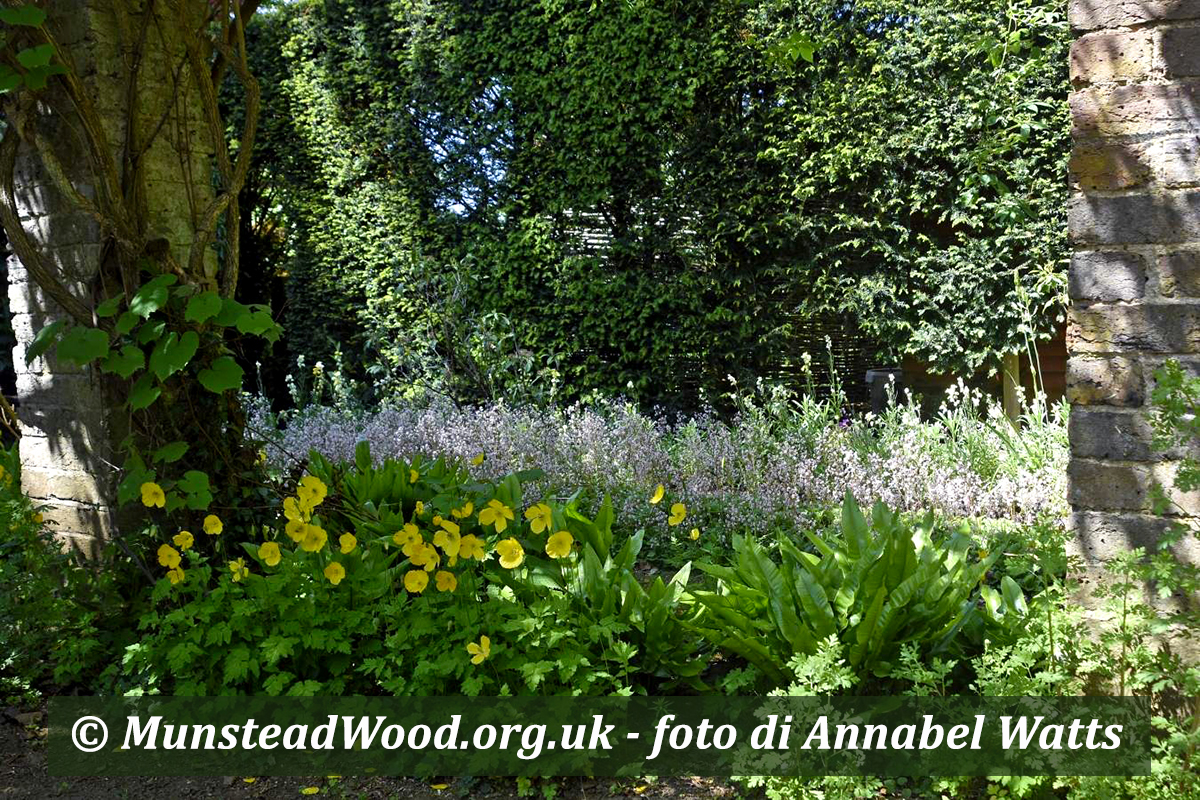
There are details—such as the two-day task of removing all the yellow flowers from *Santolina chamaecyparissus* because Miss Jekyll preferred the silvery foliage to the flower color—that I still carry out today, much to the visitors’ amusement.
She had a nursery and a reserve garden on the estate, so whenever there was a gap in a flowerbed, a carefully selected plant could be added to fill the space. I do not have that luxury.
Munstead Wood: Interview with Annabel Watts. The second question.
The second question concerns your relationship with visitors.
Do garden designers, historians, or private garden owners—whether in Great Britain or abroad—ever consult you regarding Jekyll’s planting methods or design philosophy?
Response from Annabel Watts
I worked as head gardener for Lady Clark for 12 years, prior to her death and the house being put up for sale three years ago.
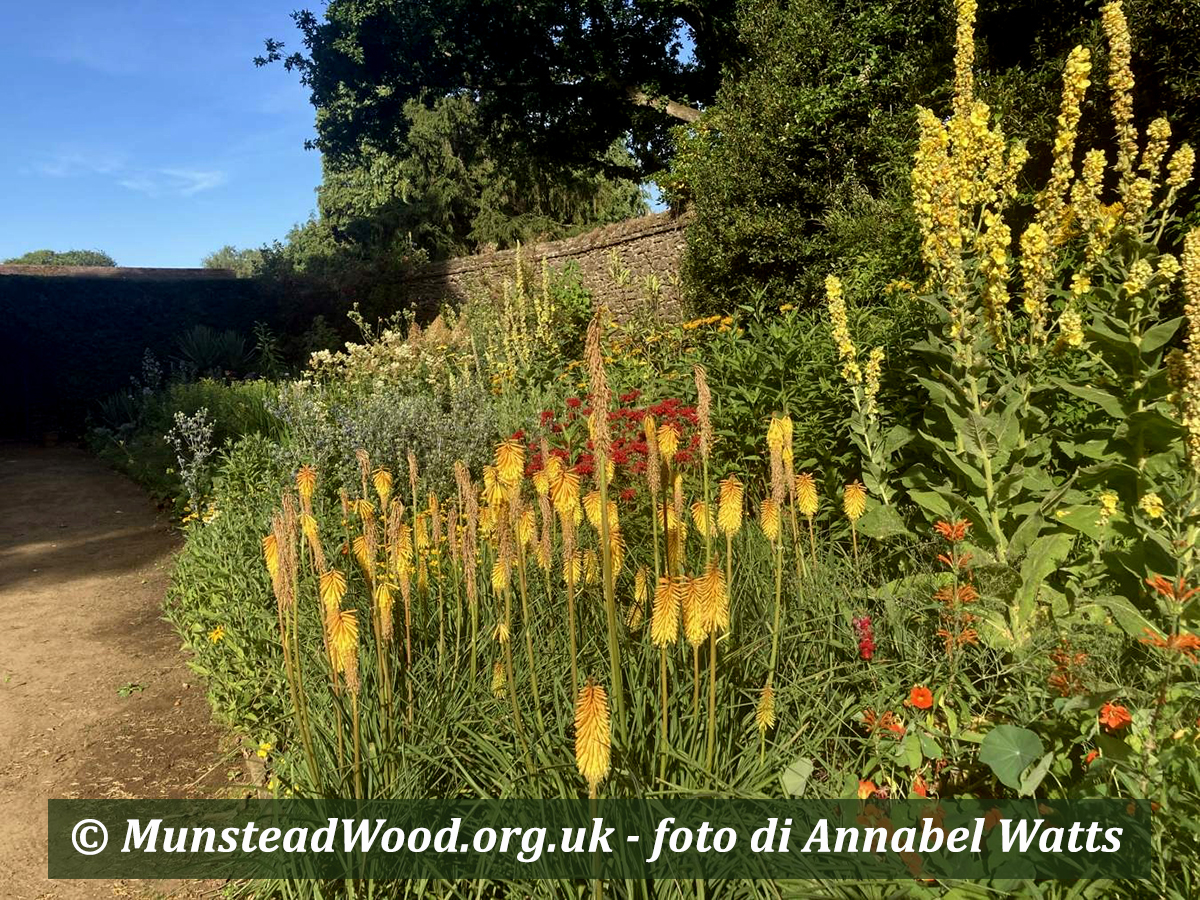
During that time, visitors from all over the world came to Munstead Wood. I have always described Munstead Wood as a garden for connoisseurs; it is not a conventional garden.
It attracts people from the horticultural world, as well as architects, since the house is a perfect example of an Arts and Crafts-style home.
I have had visitors from Iceland, Russia, Korea, Tasmania, and everywhere else (including Italy).
Head gardeners and homeowners whose properties once featured flowerbeds designed by Jekyll come to visit me, as do others wishing to create a garden inspired by Jekyll’s plantings.
People sense the atmosphere and character of Miss Jekyll; after all, this is the home of the “mother of English gardening.”
The most frequently asked question?
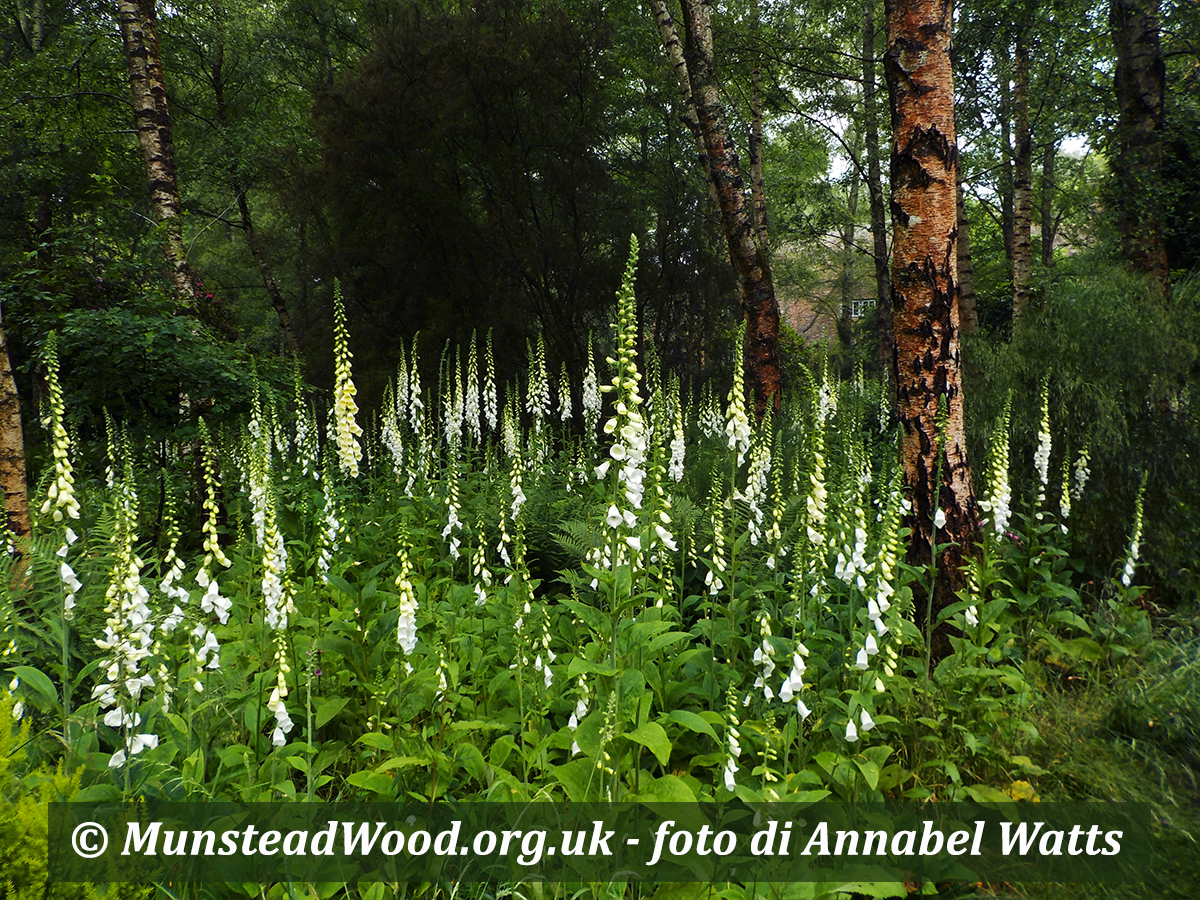
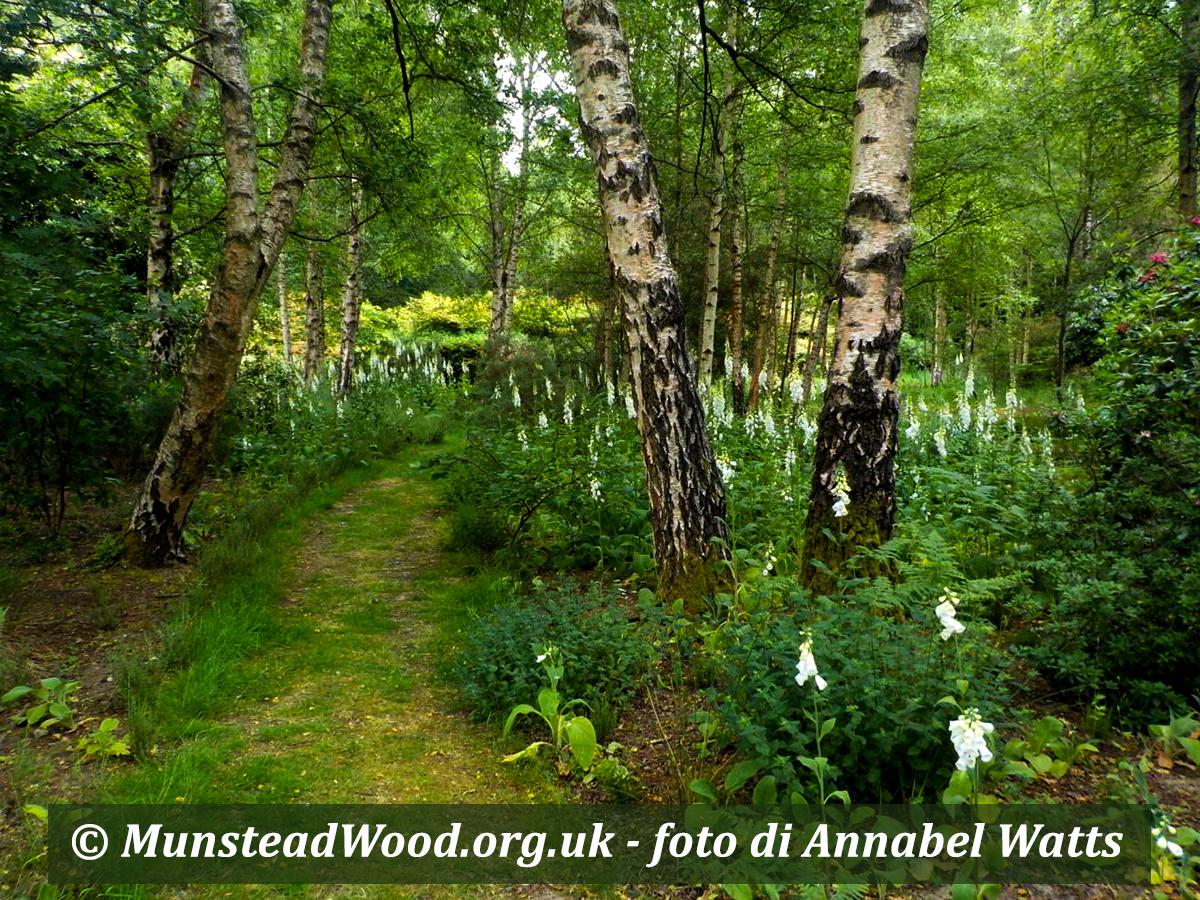
I suppose the most frequently asked question is how to keep the box tree caterpillar—which ruins the garden’s sculpted hedges—at bay, and how to preserve the white foxgloves (while weeding out the pink ones!).
As for the boxwood, the National Trust acquired the house and garden three years ago (and confirmed me in my role at the time of the purchase).
I used to treat the box tree moth with a chemical product that the National Trust does not approve of; now, the person responsible for treatments uses the National Trust’s own formula.
Munstead Wood: Interview with Annabel Watts. The third question
For the third question, we wanted to take a less-trodden path: children in the garden and Watts’s perspective.
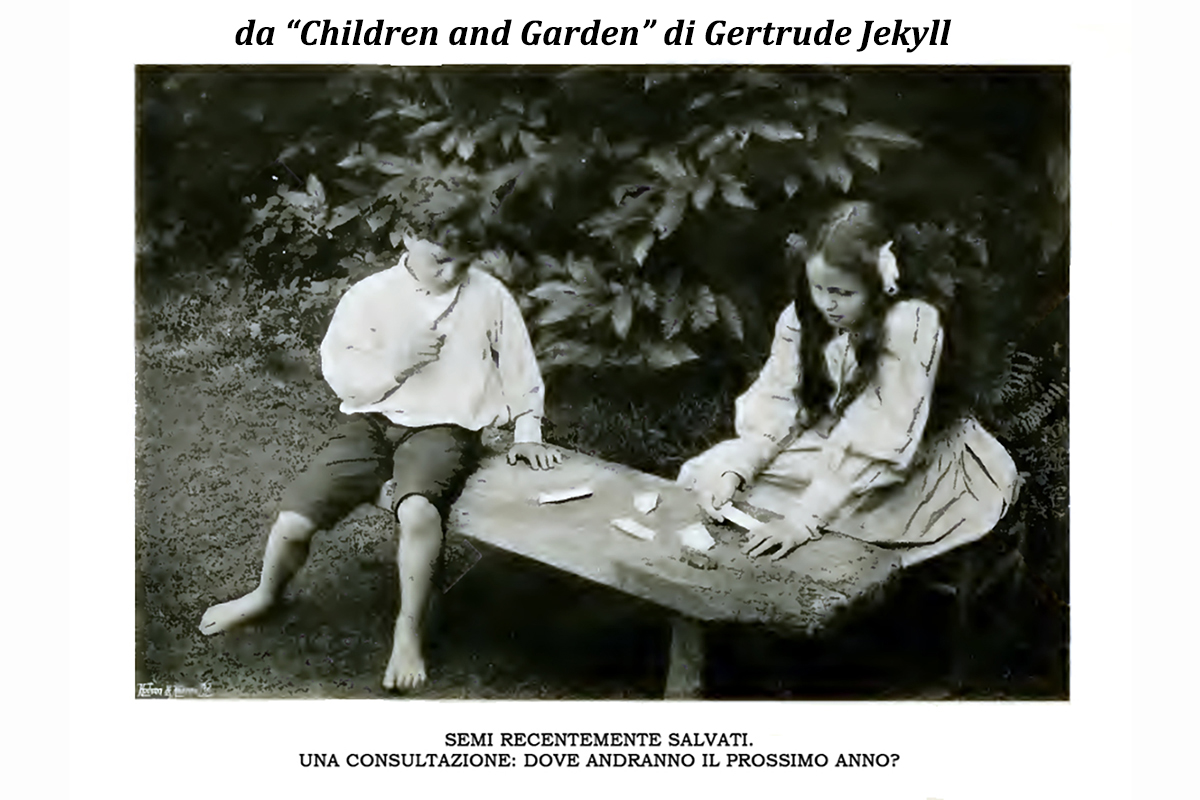
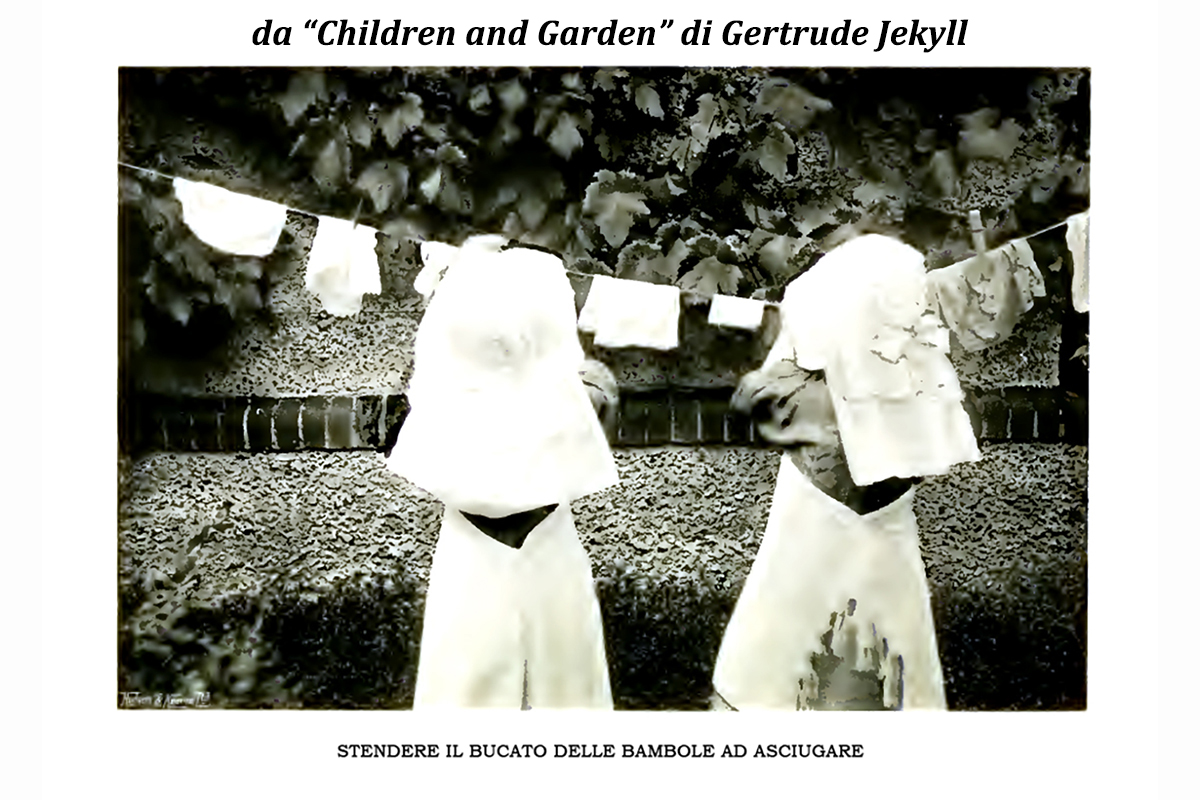
One aspect I find fascinating in Jekyll’s writings is the freedom children once experienced in gardens and outdoor spaces.
She describes episodes that today would seem surprisingly risky—even dangerous—yet they also suggest a profound sense of discovery, independence, and direct contact with the natural world.
What is your personal view on this? Do you think something valuable has been lost amidst the current emphasis on safety, or do you believe modern approaches have brought about necessary improvements?
Response from Annabel Watts
Gertrude Jekyll’s childhood was idyllic and privileged.
She writes of a lake in the grounds of her family home, where she and her siblings would row out to the island unaccompanied. She learned how to light a fire and boil water outdoors.
She had her own small patch of garden for sowing seeds and would lose herself in the woods, closely observing the flowers and consulting a prized book on wildflowers, thereby becoming familiar with the names of local flora and fauna from an early age.
It was a childhood filled with outdoor adventures, thrills, and mishaps—the kind one reads about today only in children’s books.
I recognize the upbringing Jekyll received: taking responsibility for one’s actions, appreciating nature, and being aware of the changing seasons. Let’s just say I am very glad to be the age I am!
“…delighting to go up trees, and to play cricket, and take wasps’ nests after dark, and do dreadful deeds with gunpowder and all the boy sort of things” (from “Children and Garden” – 1908 – Gertrude Jekyll)
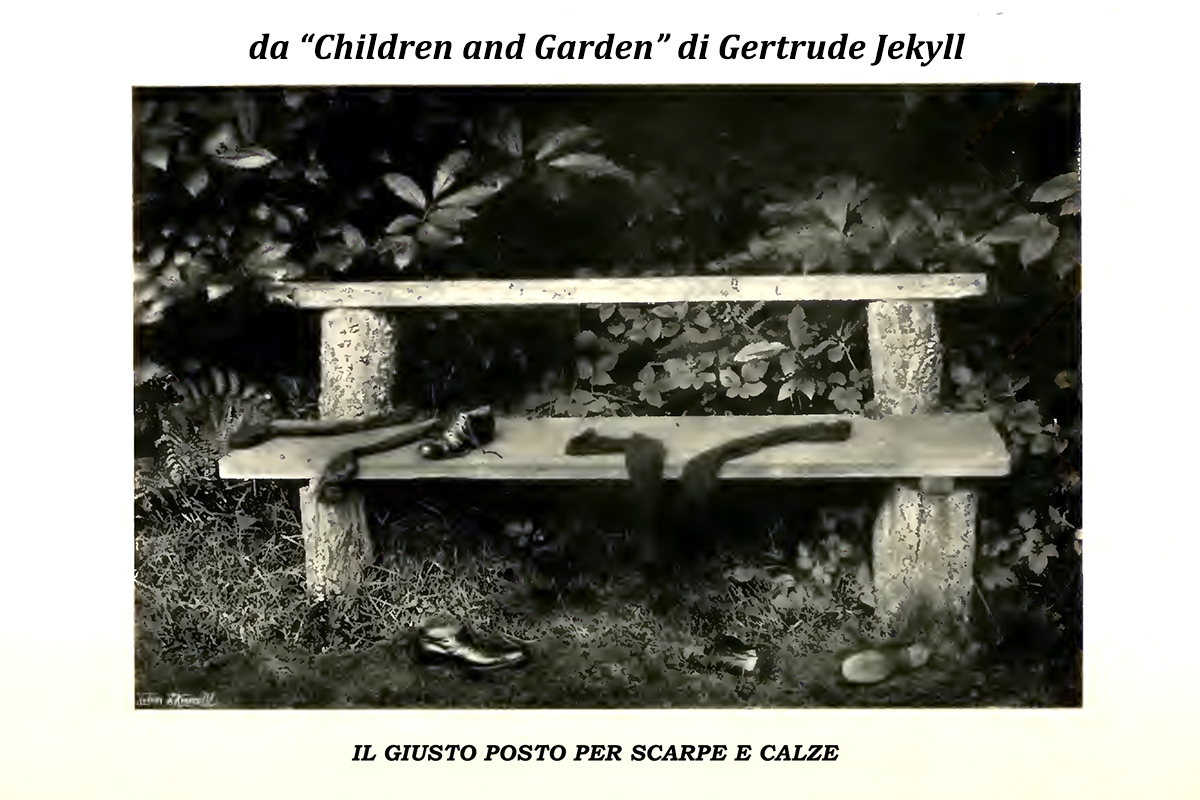
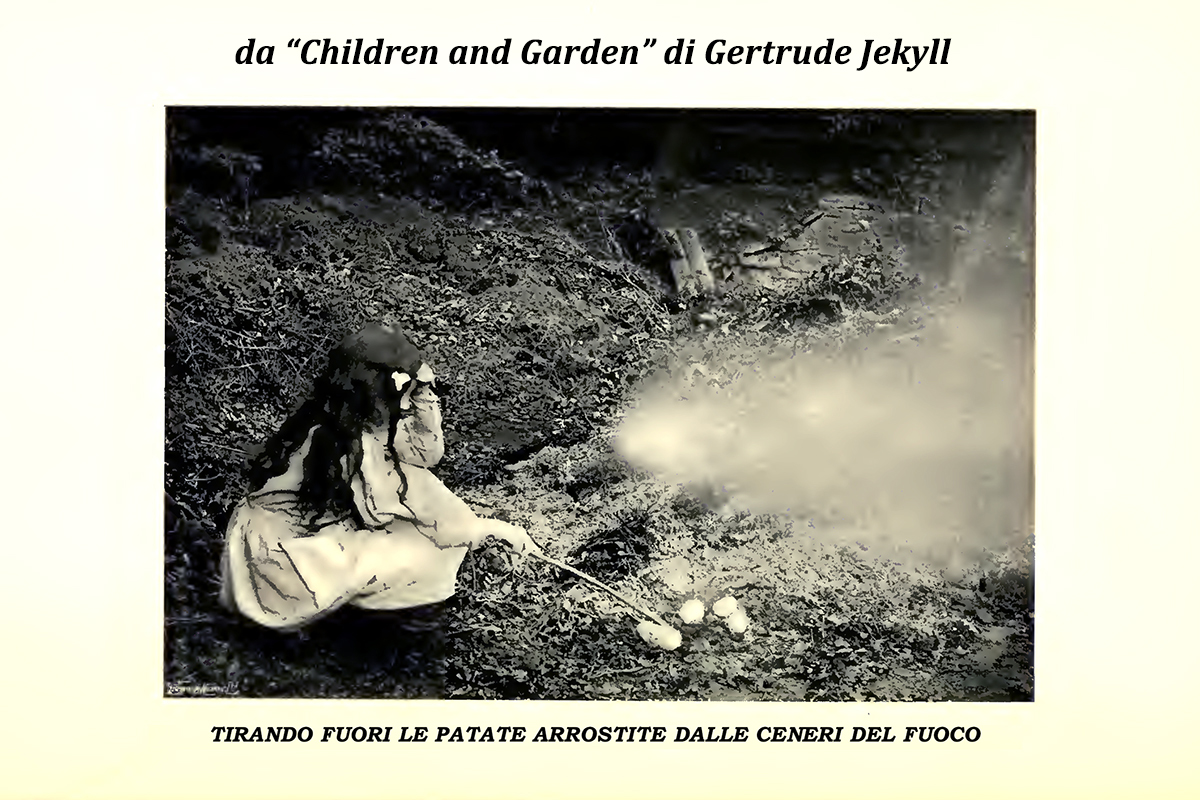
From “Children and gardens”
“The old home, not very far from where I live now, had biggish spaces of garden and shrubbery and two ponds—one a large mill-pond covering some acres; and three streams, so that I was always watching the ways of water.
Where one quick-running stream, after tumbling down in a cascade, ran into the mill-pond, was a grand place for gudgeons.
The gudgeons
We used to catch them both with a rod and with a round dip-net, and sometimes had them fried for tea. This pond had a large island near the upper end, but no bridge.
The boat
In our earlier years we had no boat, but belonging to the house was a set of brewing tackle, […] This is a wooden thing […] like a large shallow box or tray.
My father had this taken down on the pond for something that was to be done near the pond edge, and we children surreptitiously used it as a boat to make perilous journeys over to the island.
It was very riaughty indeed —it was strictly forbidden, and was really dangerous, but mercifully we came to no harm.” (from “Children and Garden” – 1908 – Gertrude Jekyll)
The photographic contribution
In addition to being very generous with her answers and patient with my curiosity, Mrs. Watts also provided us with photos of the property taken the other day—such as the cover image showing the climbing roses in bloom on one of the house’s facades; we thank her warmly for this invaluable contribution.
The mondo del giardino advice
There is no better way to understand a designer’s thinking than by visiting one of their completed projects; Munstead Wood could be the first stop on a dedicated tour. Enjoy the journey and the rewarding experience.
Now let’s get started! The work awaits us! Our wonderful new outdoor space is about to be born!
GOOD WORK, and…if you have any questions, please write to info@ilmondodelgiardino.com