Seriate turns a new page: the Municipality and agronomist Maurizio Vegini have signed off on ten guidelines that place greenery at the heart of the city of the future. It is invaluable work, born of expertise and a genuine passion for nature. Yet the real challenge begins now—and it is one we all share: shifting our perspective on what a vibrant city truly needs. Discover, point by point, what will change, what we find compelling, and where continued vigilance is required. It is an evolution that affects us all.
SERIATE FOCUSES ON THE LANDSCAPE
Improving the city
Now that the worst of the summer is over, we can take stock of what happened during a summer that was—to put it mildly—sweltering. One might assume that work slowed down compared to the frantic pace of winter; yet, in Seriate, decisions regarding green spaces were made with a level of foresight rarely seen until now.
Mayor Gabriele Cortesi and his team have unveiled their vision for a greener town.
It is a path that Bergamo has already taken and that other municipalities are following, though not all have yet embraced it as they should.
The focus is on permeable paving that channels water to plants, prioritizing vegetation over brickwork, and championing biodiversity—not merely as an option, but as a set of GUIDELINES TO BE FOLLOWED.
THE APPOINTED PROFESSIONAL
Agronomist Maurizio Vegini of Studio GPT was commissioned to draft these standards; given his background as a landscape professional, educator, and key organizer of numerous editions of Bergamo’s ‘I MAESTRI DEL PAESAGGIO’ Festival, this was a stroke of good fortune!
Indeed, a study of these ten guidelines reveals that they were crafted with great mastery by someone who understands design yet also loves nature—and who, over the years, has developed a delicate sensitivity toward the living things among which he works.
We therefore wish to clarify that the “warnings” found throughout the various points are not directed at anyone in particular; rather, they are intended to encourage continued vigilance regarding the actual implementation of the guidelines and the need to verify their execution over time.
We therefore wanted to examine and interpret these guidelines with a critical eye, aiming not only to explain their content but also to highlight their strengths and weaknesses. You know that, for us, keeping you informed is always at the heart of everything we do.
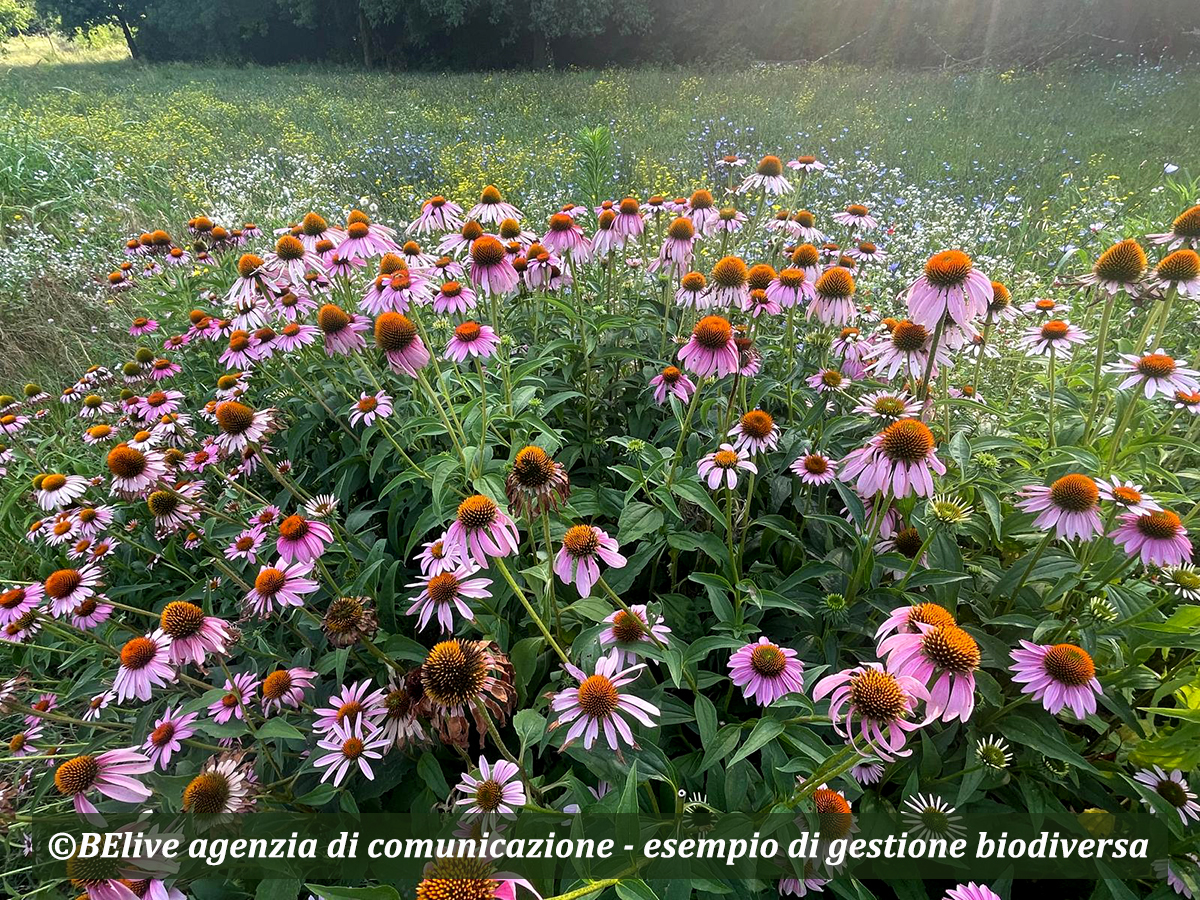
1 LESS CONCRETE, MORE PERMEABLE SURFACES THAT BREATHE
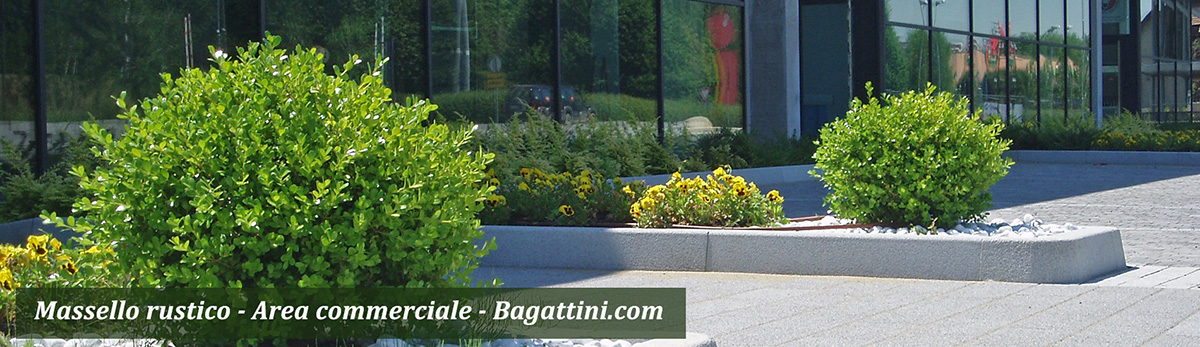
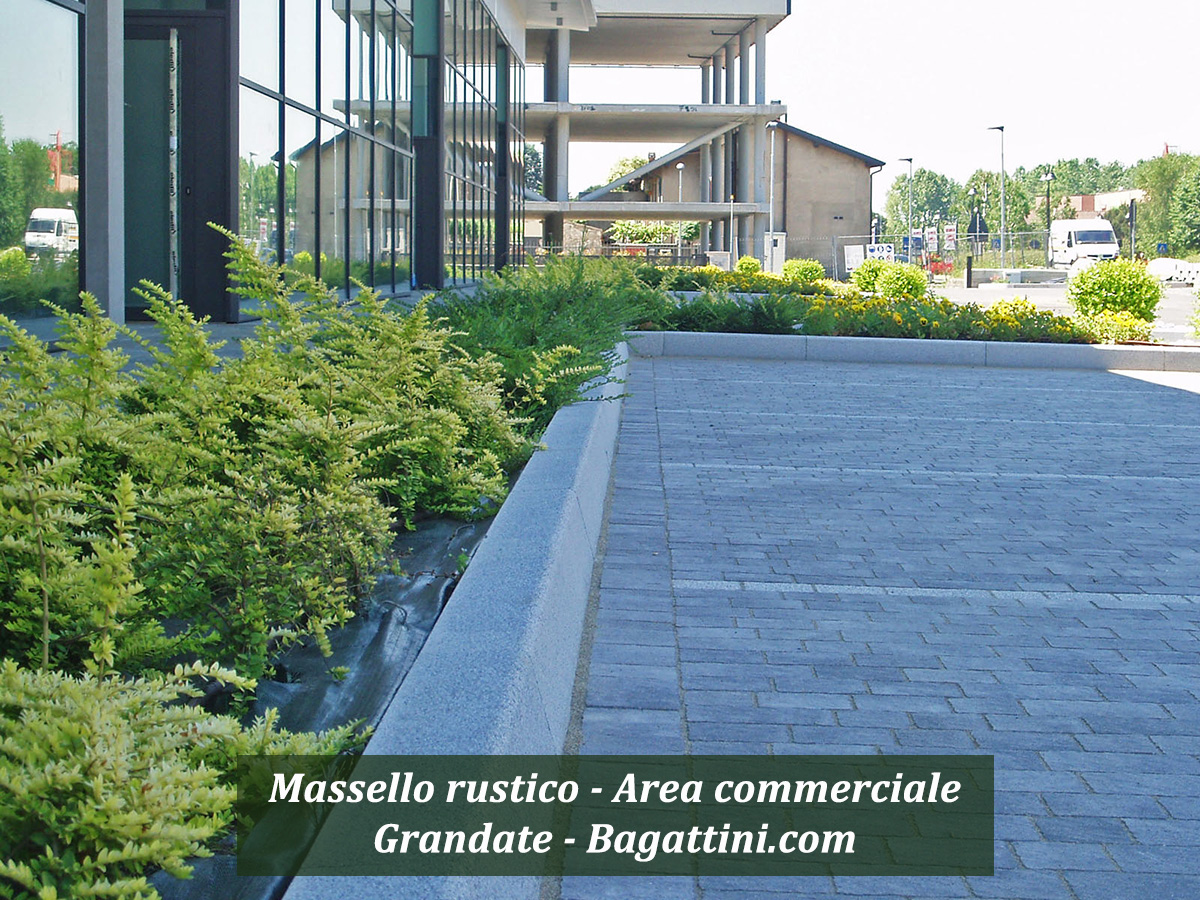
For many years, urban development prioritized asphalt, concrete, and impermeable surfaces. We now know that this approach exacerbates summer heat and prevents rainwater from infiltrating the soil, thereby overloading the sewer system during storms and extreme weather events. The new guidelines aim to minimize paved surfaces as much as possible and, where necessary, utilize permeable materials that allow water to pass through.
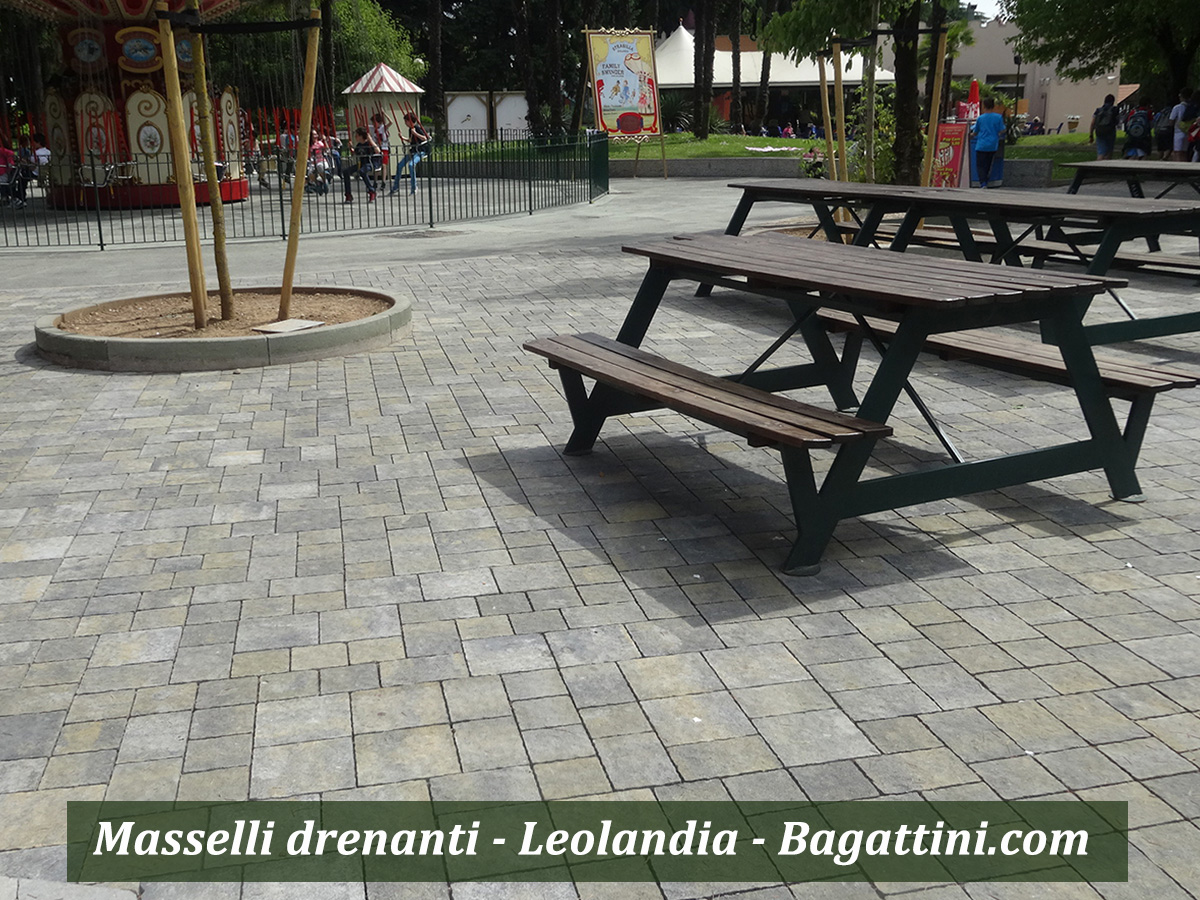
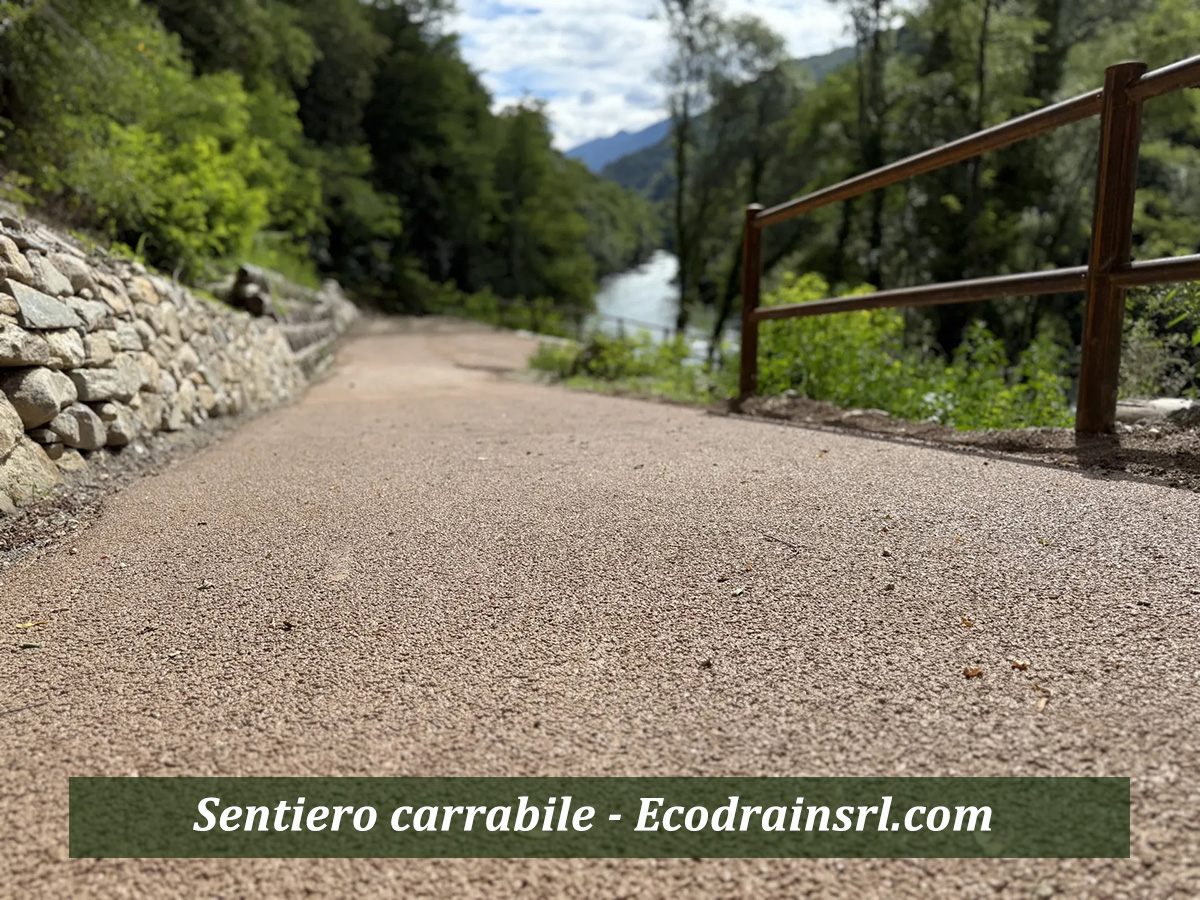
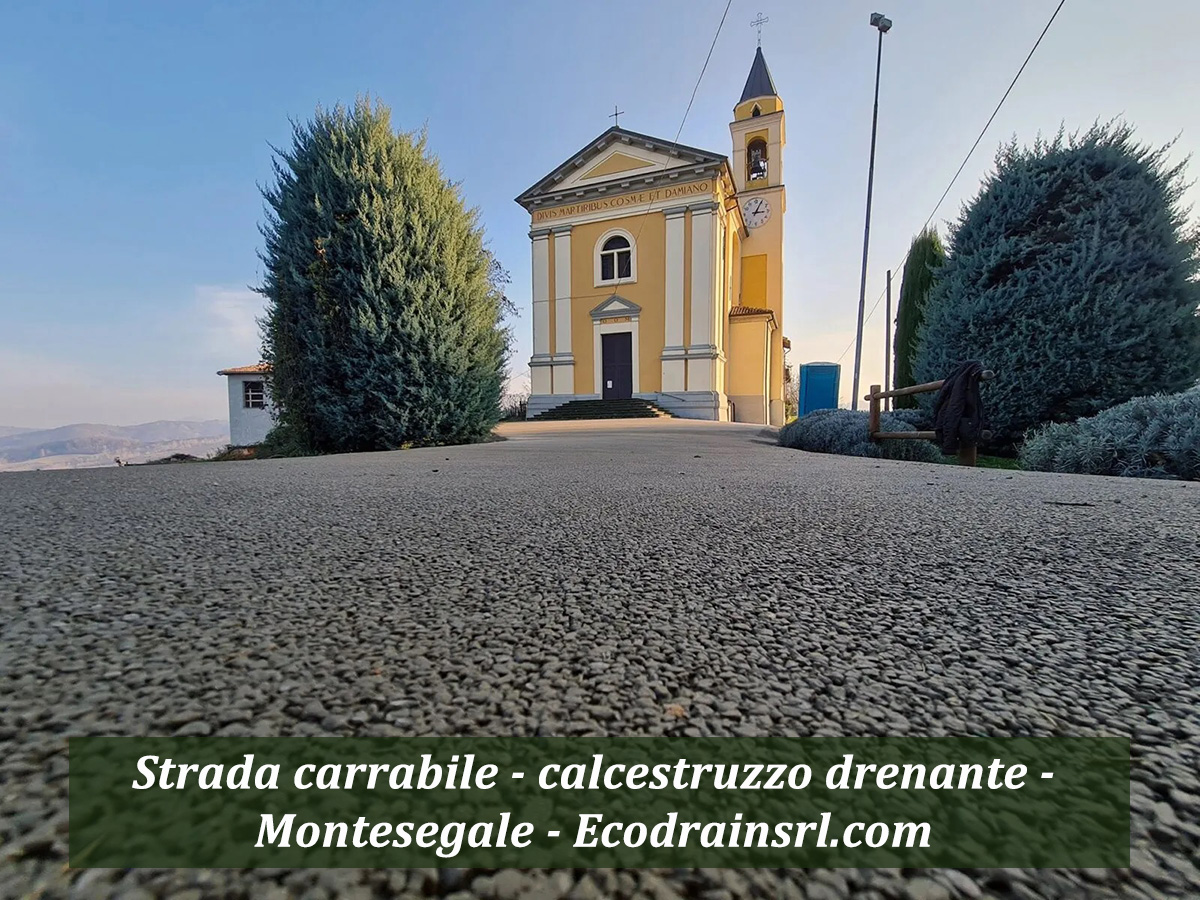
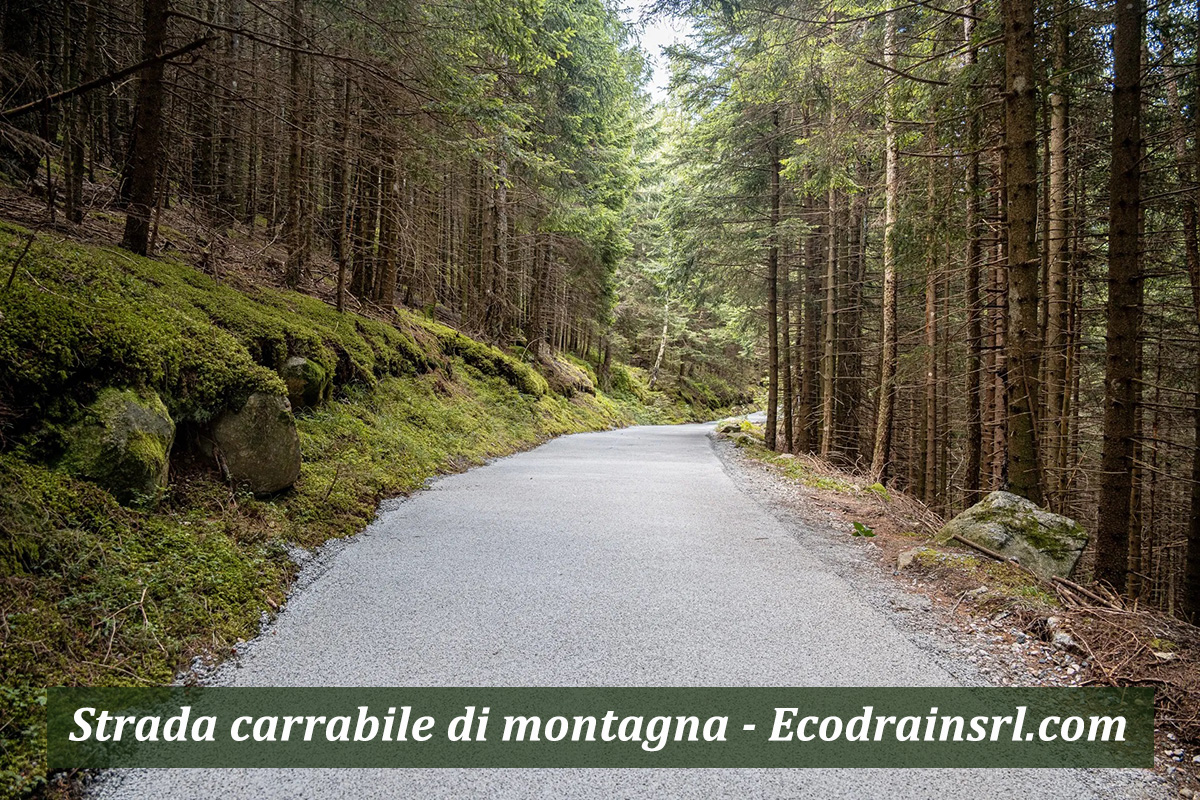
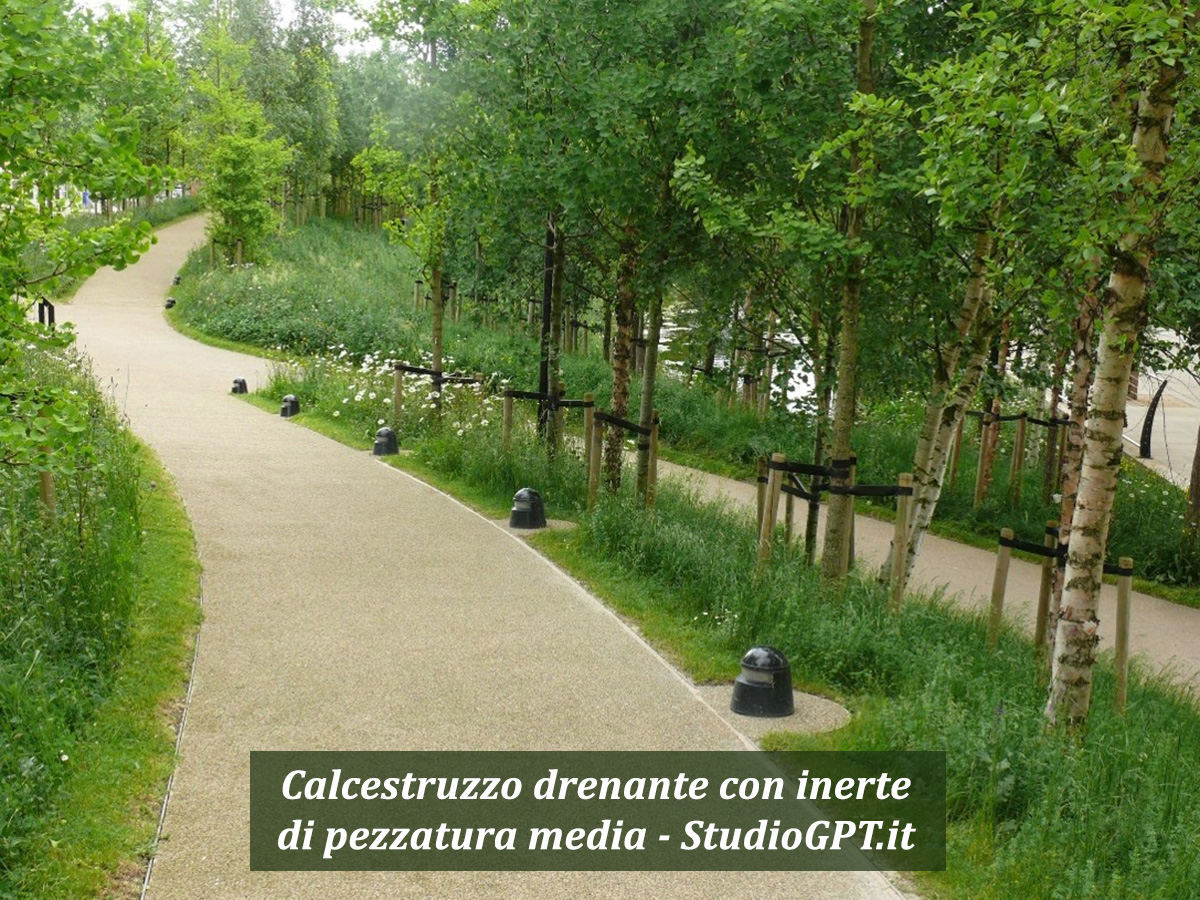
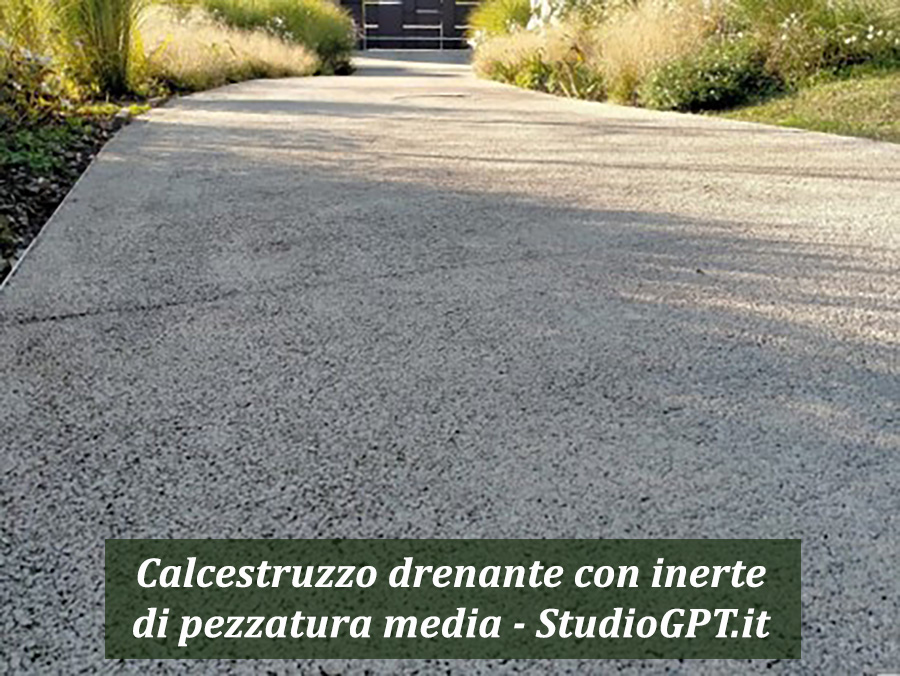
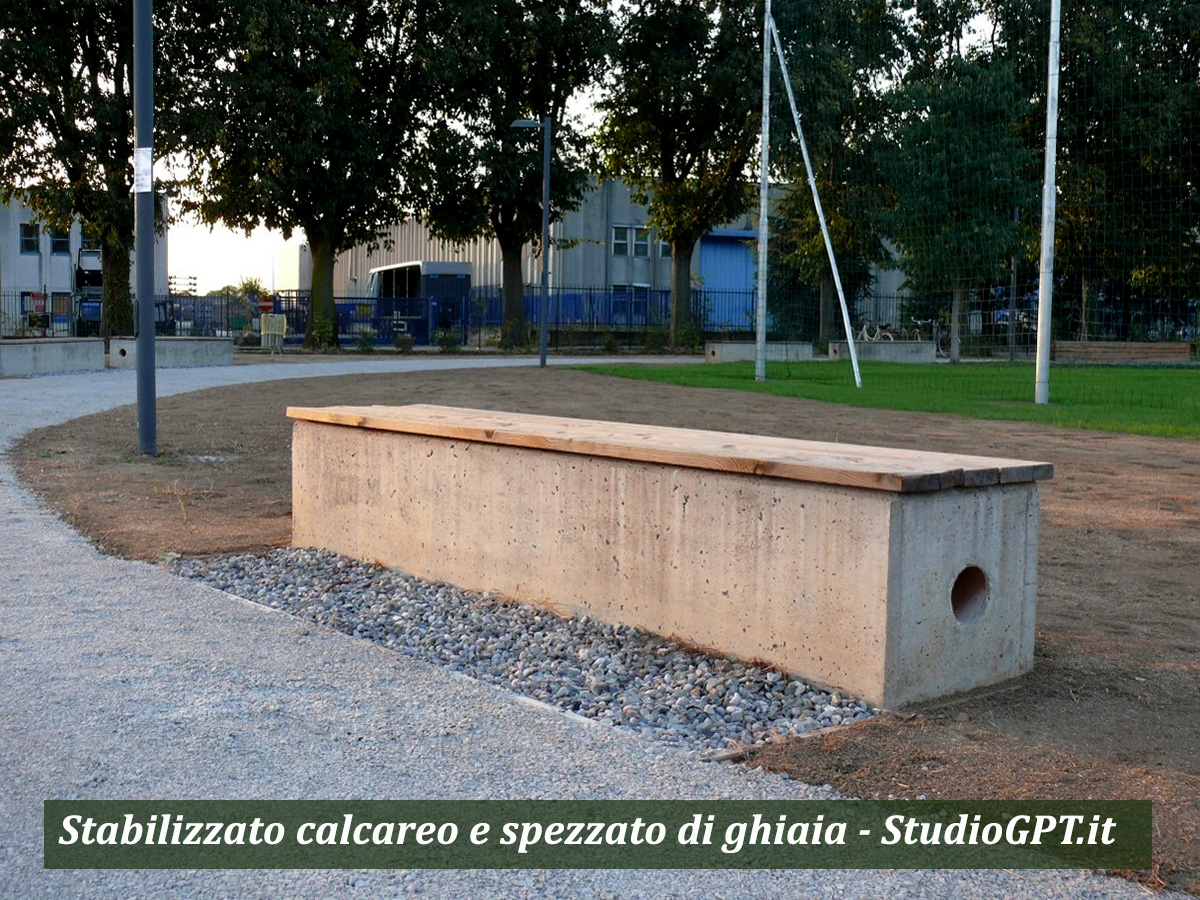
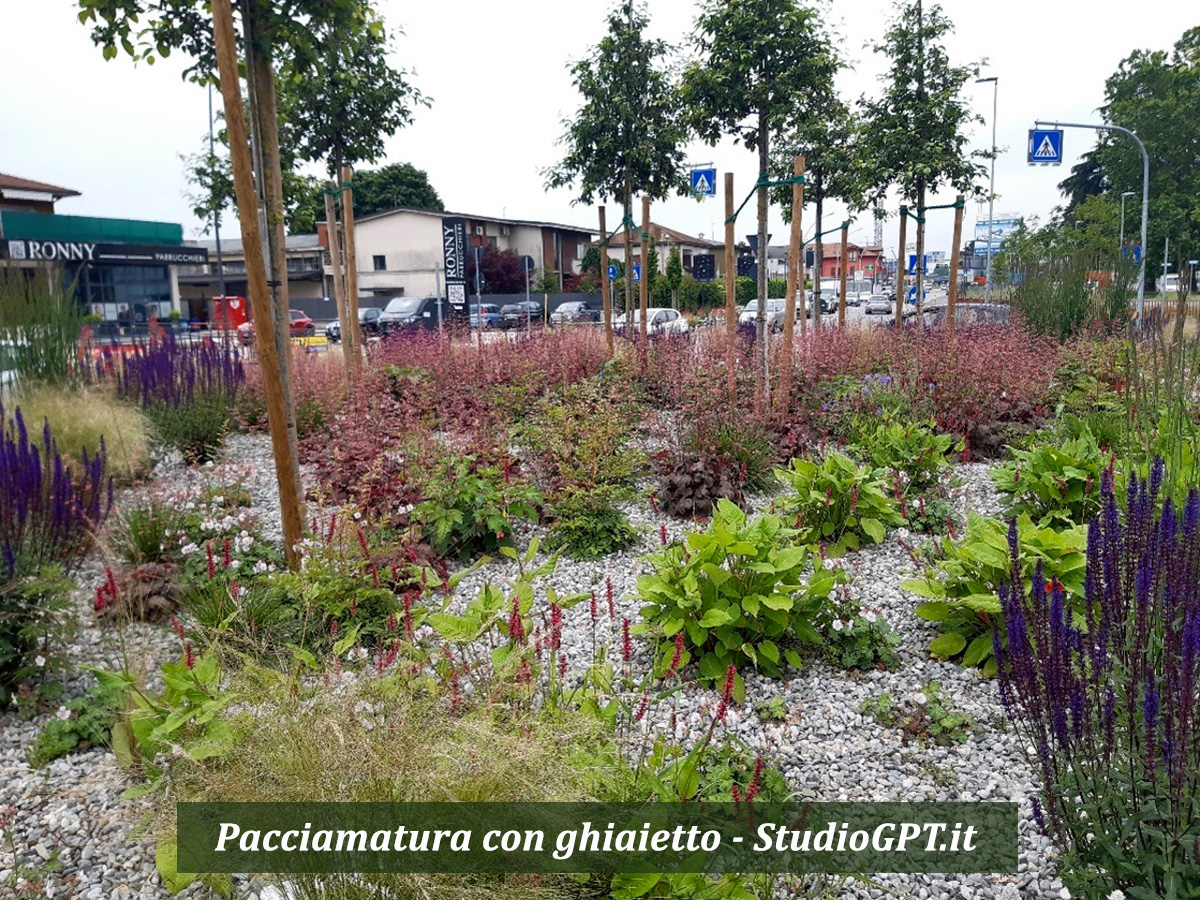
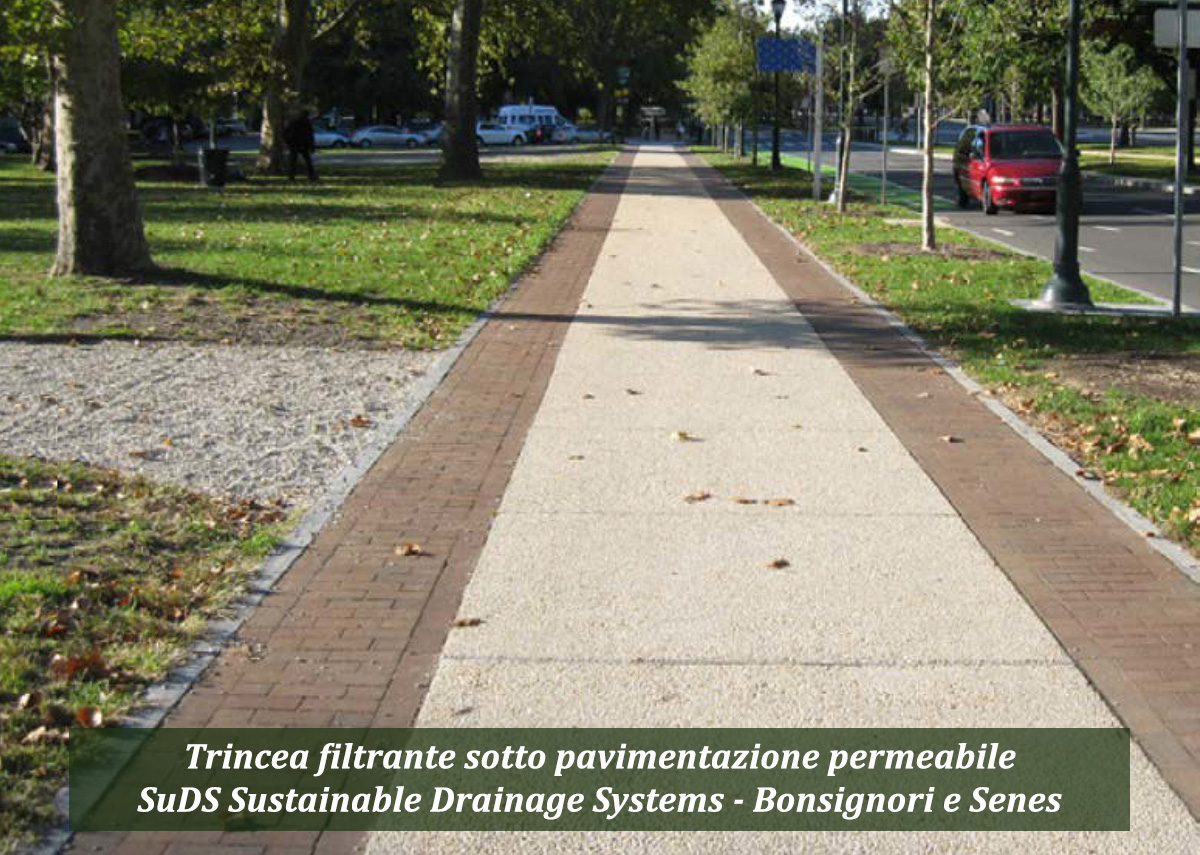
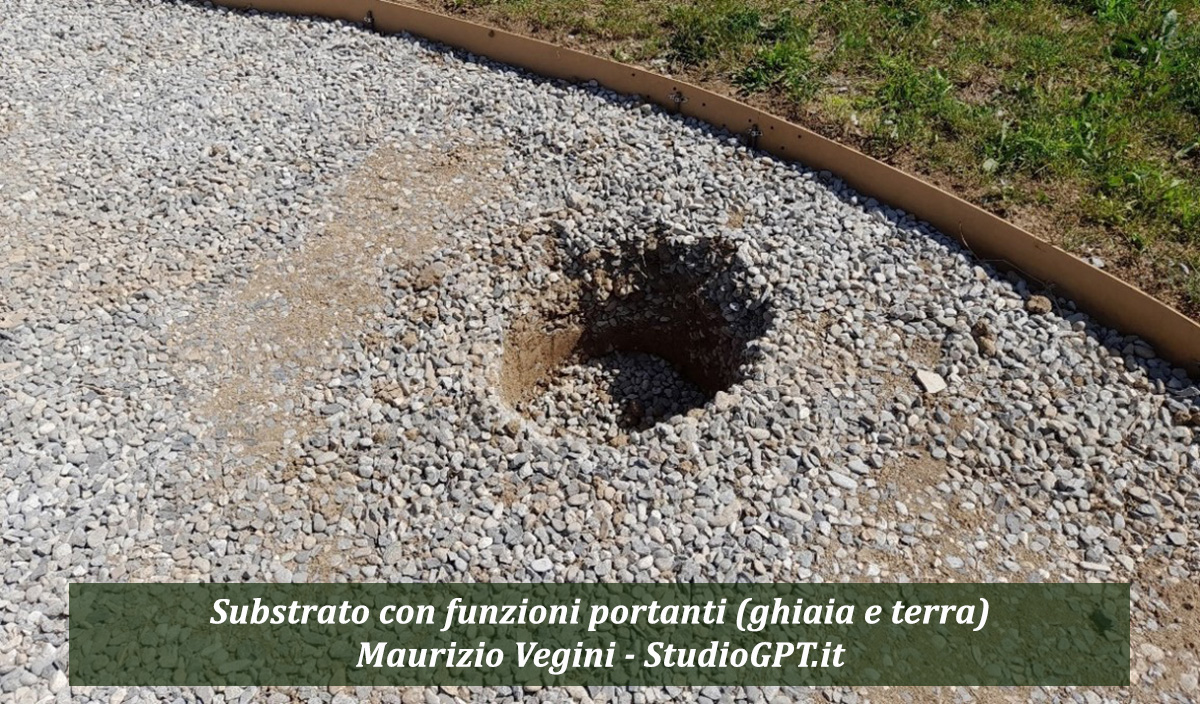
Parking areas, walkways, public squares, and open spaces can be constructed using stabilized gravel, permeable interlocking pavers, pervious concrete, and other solutions that facilitate the natural absorption of rainfall and allow plant roots to breathe. In this way, the soil continues to perform its natural function, helping to reduce flood risks and keep the city cooler during the summer. Fewer impermeable surfaces also mean more space for greenery and an enhanced ability for the city to adapt to climate change.
What is actually meant
To begin with, it is worth noting that current regulations already require a certain percentage of the buildable area to be allocated to green zones and public spaces when constructing public buildings.
From now on, for instance, whenever a building with outdoor areas is designed, any new or existing pathways and roads—including those removed during construction—must be reconstructed using permeable materials.
Another example concerns roadworks involving power lines, telephone lines, or sewer systems; whenever such work requires removing asphalt, the surface should—wherever possible—be replaced with permeable paving suitable for vehicle traffic.
What types of permeable paving are available? Options include permeable concrete, paving blocks or setts with wide, grass-filled joints, grass-filled concrete grid pavers, and stabilized aggregate surfaces.
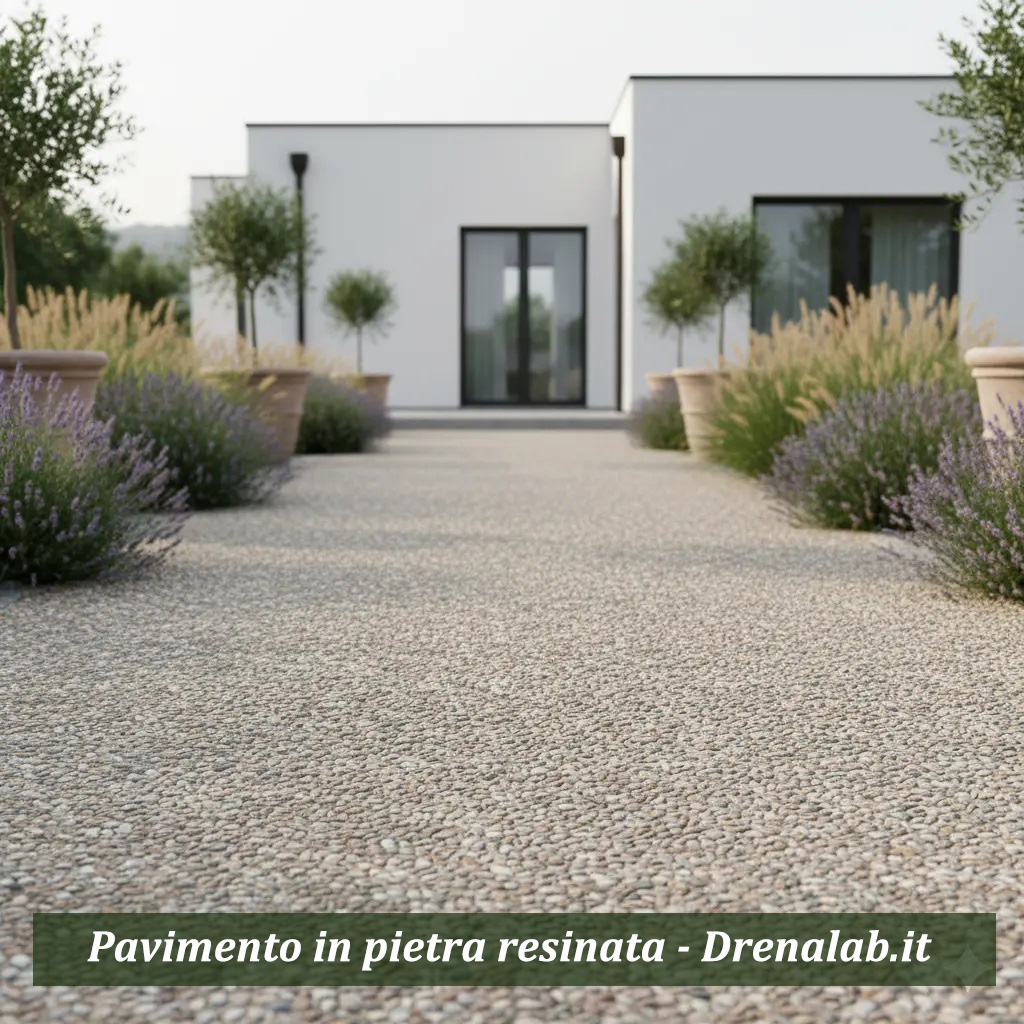
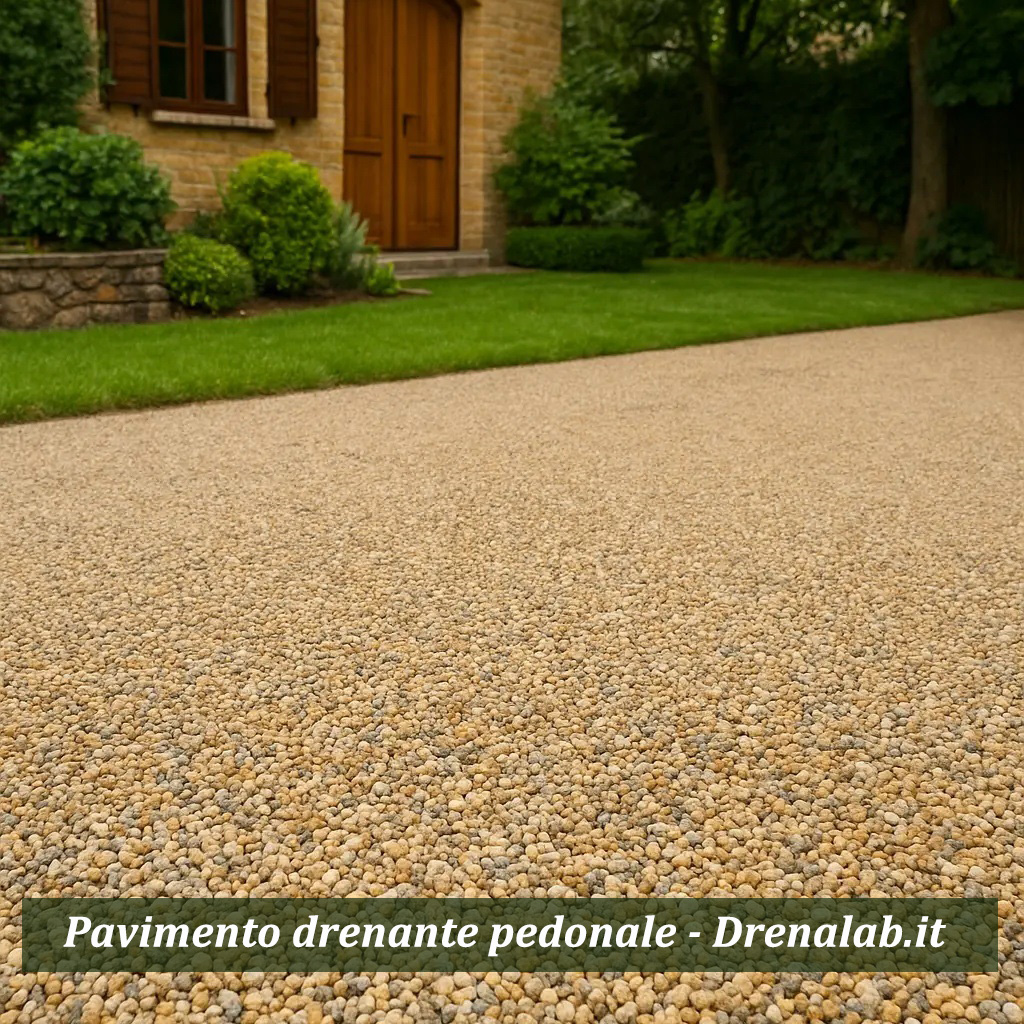
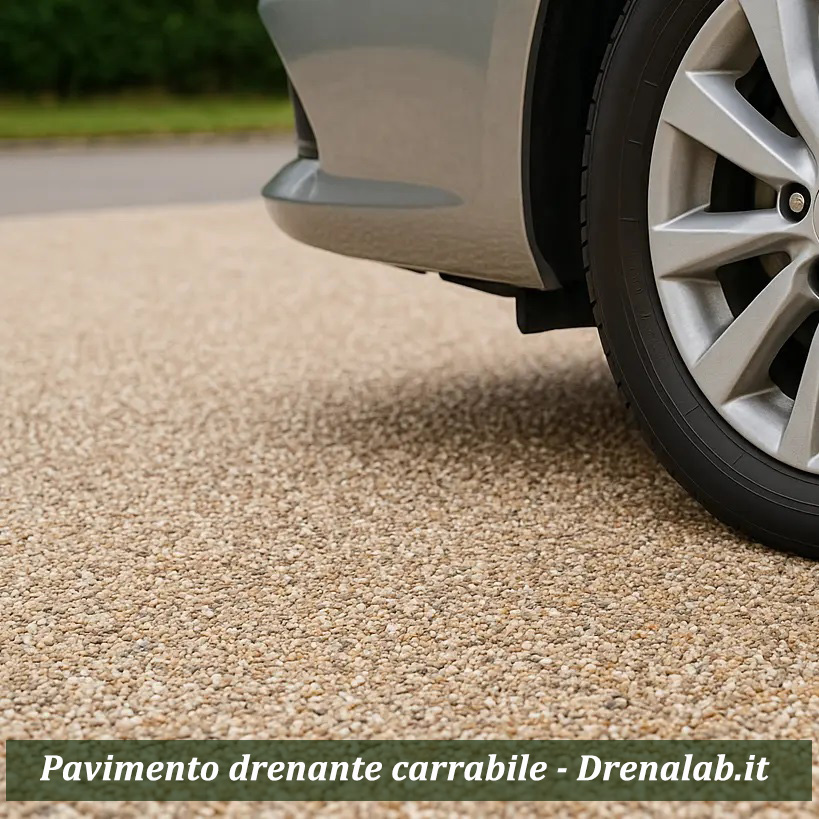
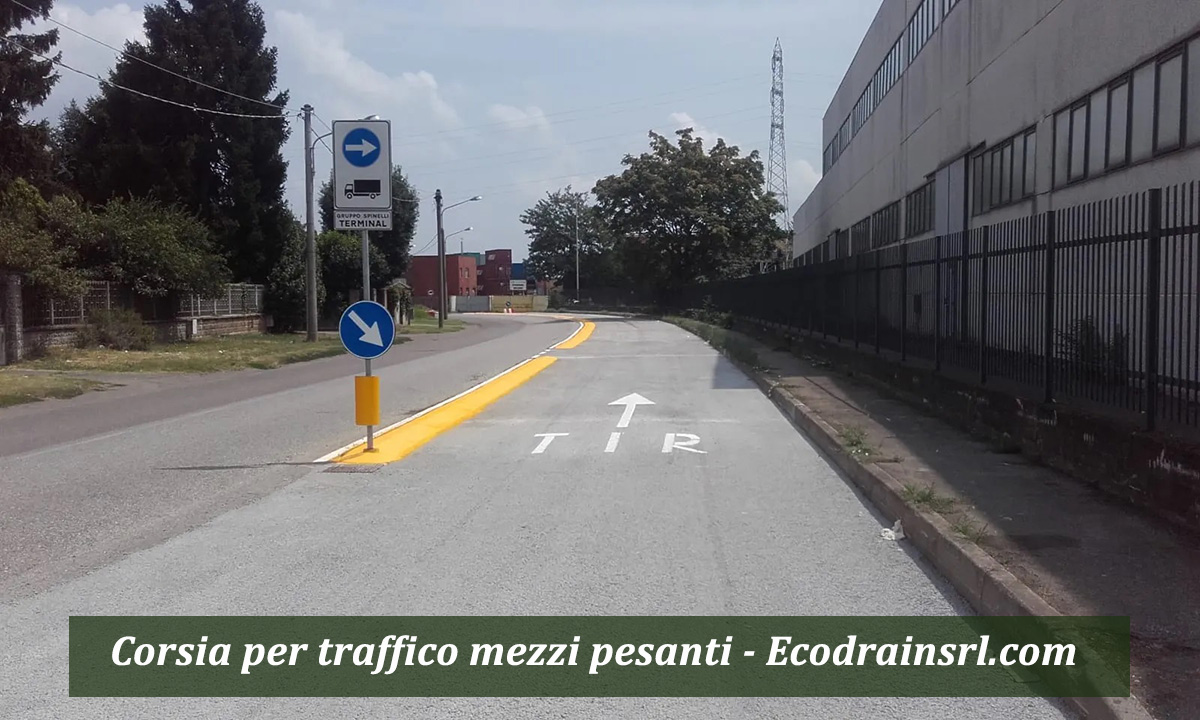
1 LESS CONCRETE, MORE PERMEABLE SURFACES THAT BREATHE: WARNING
There are certain phrases that, if mishandled, can render the use of these guidelines pointless. For instance, in this first point, we have highlighted two terms in red: “when necessary” and “may.” Regarding the first, one might ask: who decides when it is necessary? If the decision is left to the contractor or the client, they could claim it wasn’t necessary and opt for the cheapest or easiest solution, disregarding the environment’s actual needs. The second term, “may,” is vague and non-binding; after all, paths using stabilized gravel could already be built previously.
The oversight exercised by the Municipality over the work will make the difference.
2 MORE GREENERY, A KEY FEATURE OF THE CITY
In the Seriate of the future, greenery will no longer be merely a decorative element tucked into the leftover spaces between buildings and roads. Trees, shrubs, and planted areas will become a structural component of urban design, enhancing the comfort of public spaces and the quality of life for residents.
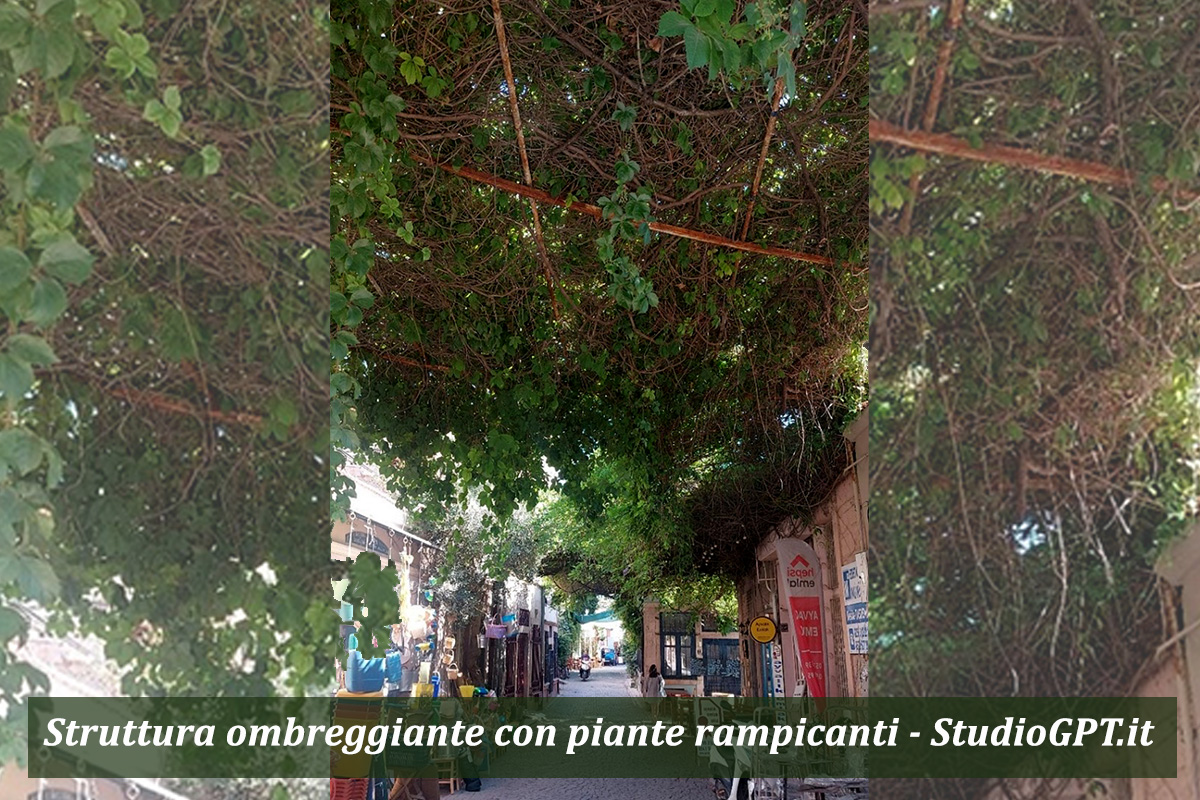
The Municipality’s new guidelines require designers to consider vegetation from the very early stages of any project, increasing the number of trees and green surfaces and incorporating—wherever possible—shaded pergolas covered in climbing plants, green walls, and new planted areas. The goal is to create environments that are cooler, more pleasant to inhabit, and better equipped to withstand heatwaves. Furthermore, the practice of “pre-greening” is recommended; this entails planting trees during the initial stages of the construction site—before actual building work begins—to ensure that trees and shrubs can establish themselves properly before the project is finally handed over. Prioritizing greenery over other project components paves the way for a more regenerative city.
What is actually meant
But what does “prioritizing greenery” actually mean in practice? The first thought that comes to mind is that a green-space professional—such as an agronomist, landscape architect, or highly skilled gardener—should be involved from the very first project meetings and remain present throughout the process, as they are the experts on plant requirements.
After all, construction crews often have a habit of parking their vehicles on lawns or right up against trees and shrubs simply to avoid parking where they are actually supposed to.
Furthermore, if plants are installed early on, care must be taken to ensure they are not damaged or broken during vehicle maneuvers and traffic.
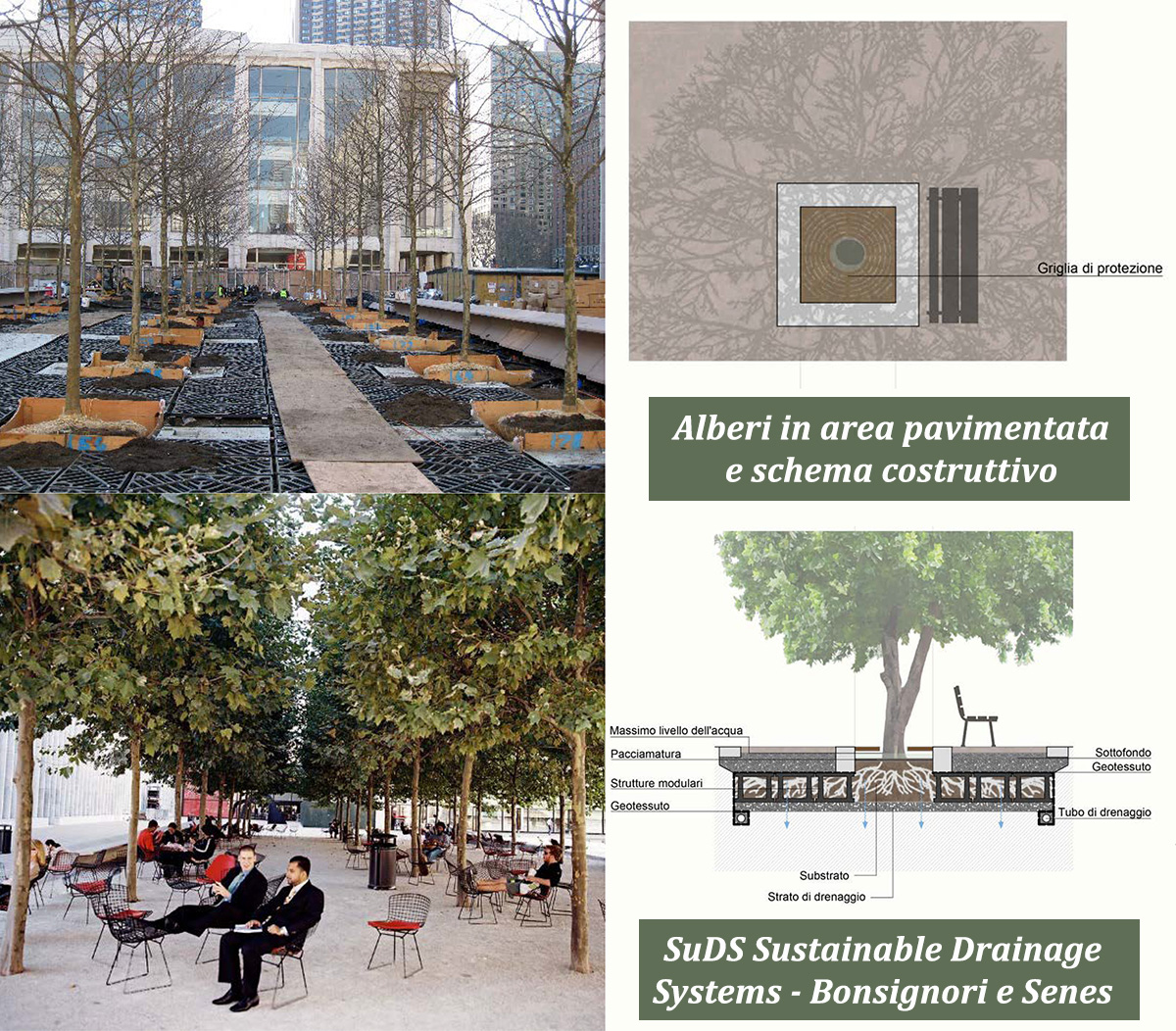
To illustrate this point: if we were sizing a sidewalk and decided to incorporate plantings, the sidewalk would need to be larger, and the construction of the underlying layers would differ—or we might even be looking at permeable planting beds or collection basins, which we will explain in point 5.
2 MORE GREENERY, A KEY FEATURE OF THE CITY: WARNING!
Here, too, we have highlighted certain terms in red: “where possible” and “is recommended.”
As before, the question is: who decides, on a case-by-case basis, where it is possible? If it is the municipality, that is fine; otherwise, nothing will change, because the construction company will never act in the interest of the environment if doing so costs more.
The phrase “is recommended” is not binding in itself. Consider a scenario where the company (or the developer) fails to plant a row of trees before constructing a building. The municipality conducts an inspection and notices the omission (to notice it, they must be thoroughly familiar with the project). Ideally, the municipality should have the authority to halt construction and compel the company to comply with the guidelines—thereby also setting a precedent for future developers and contractors.
3 GREATER BIODIVERSITY IN PLANT-BASED CHOICES
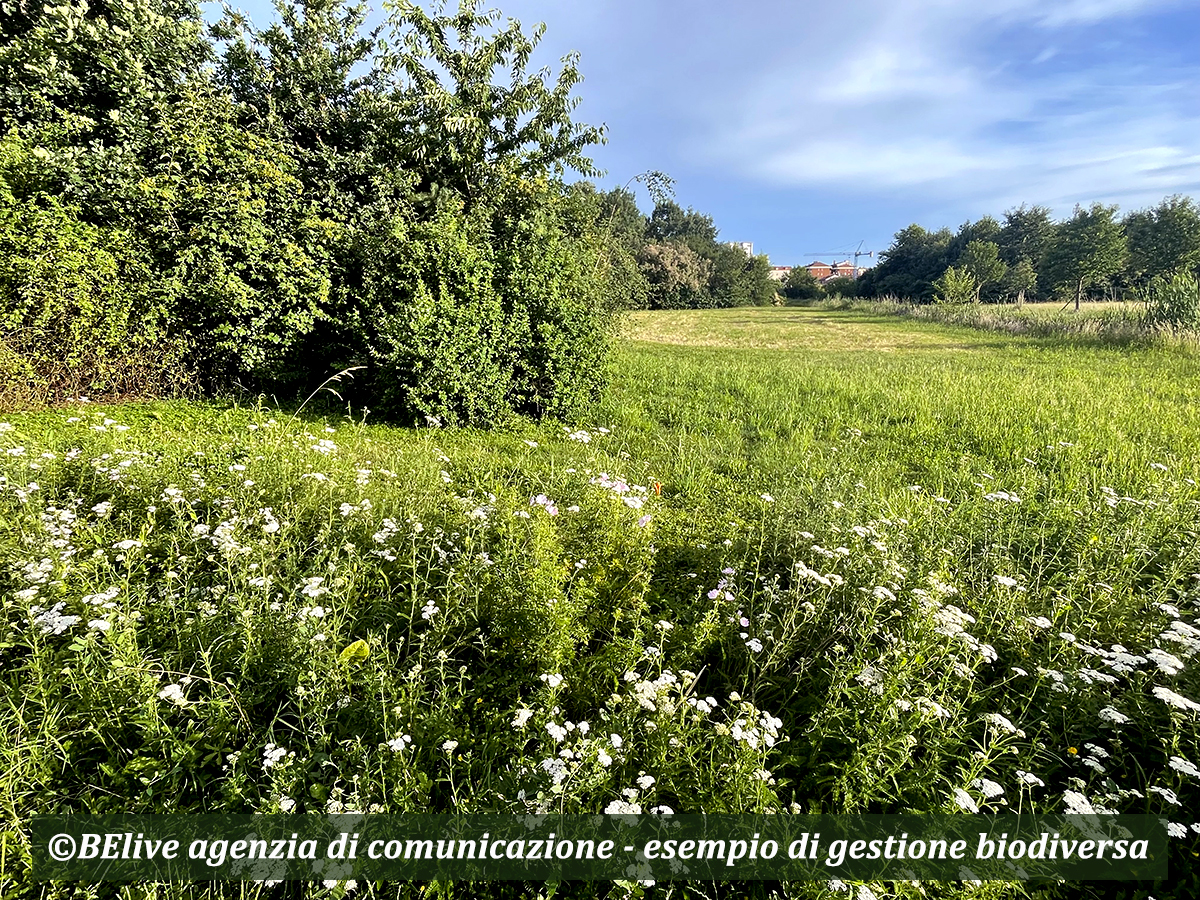
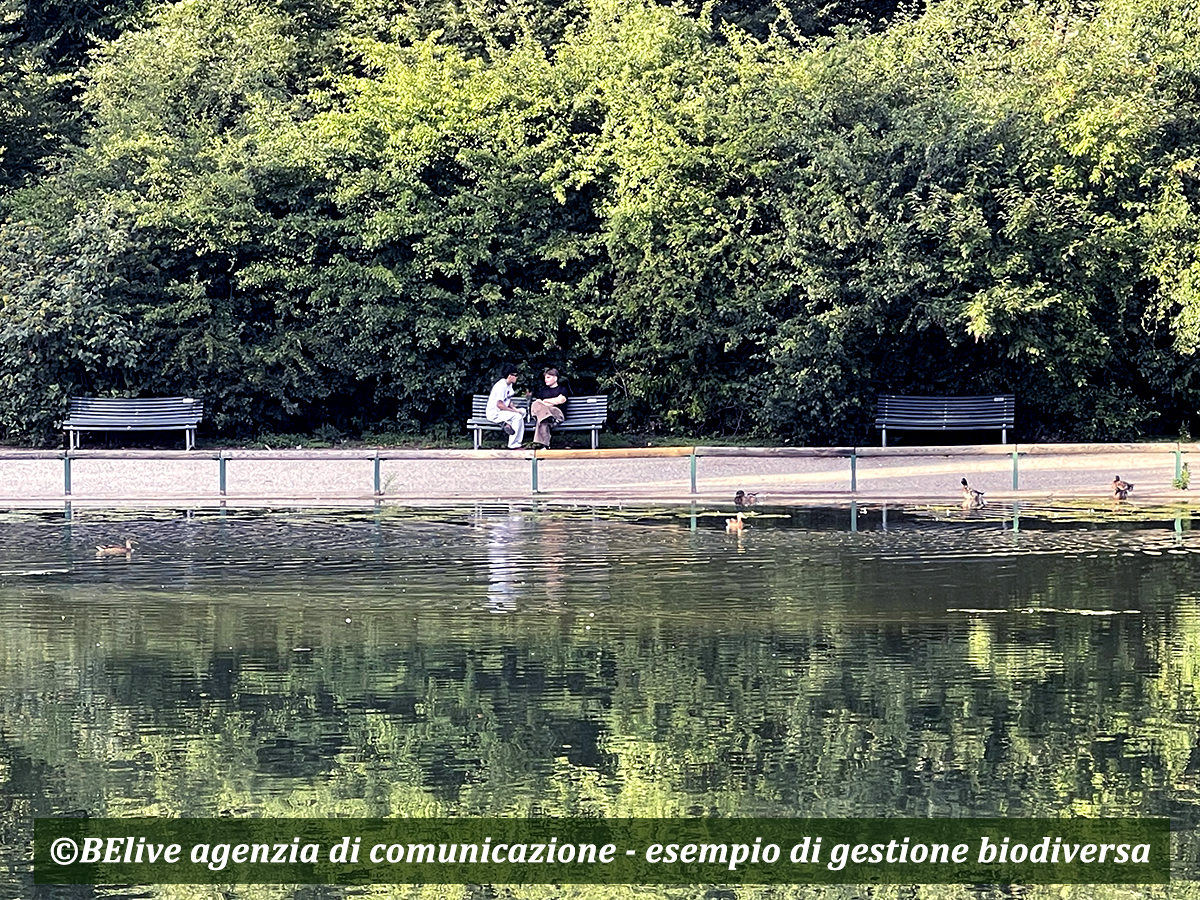
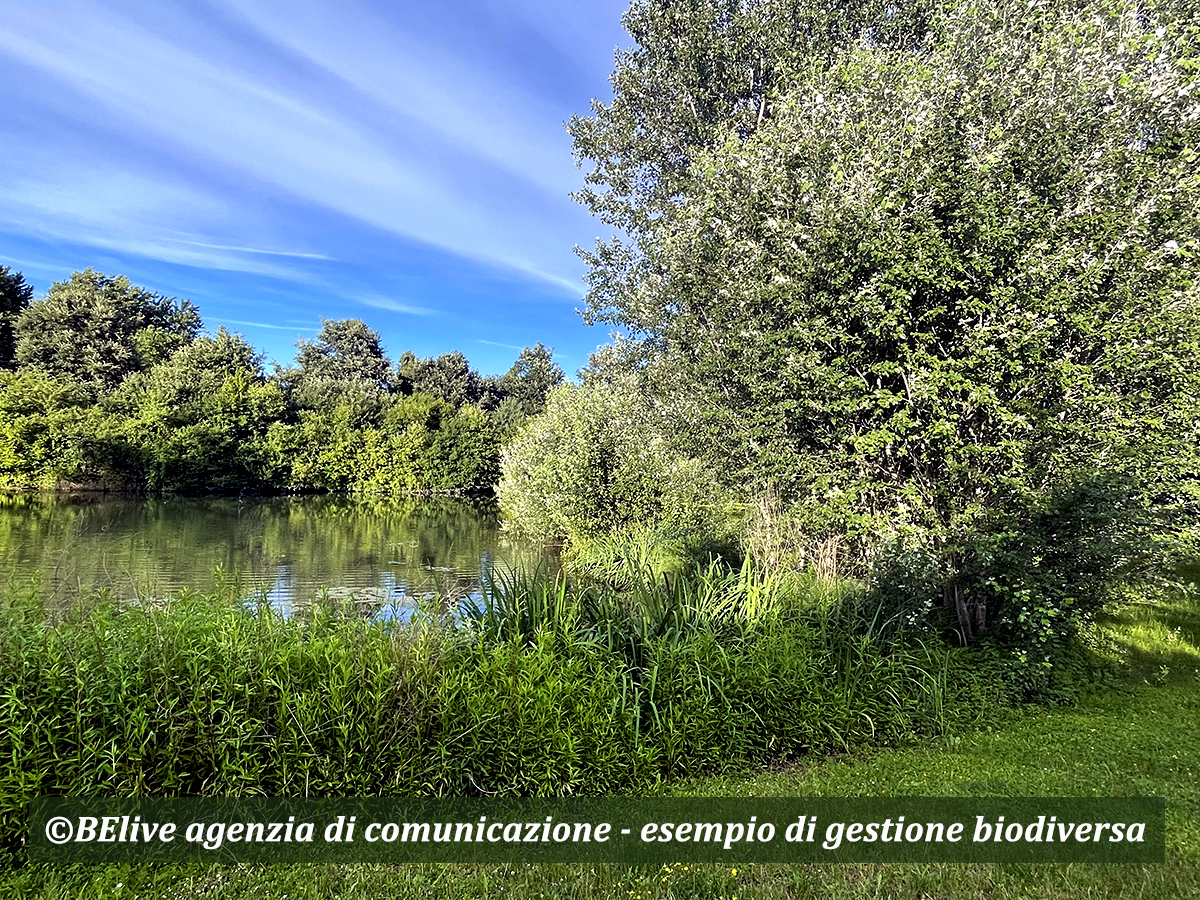
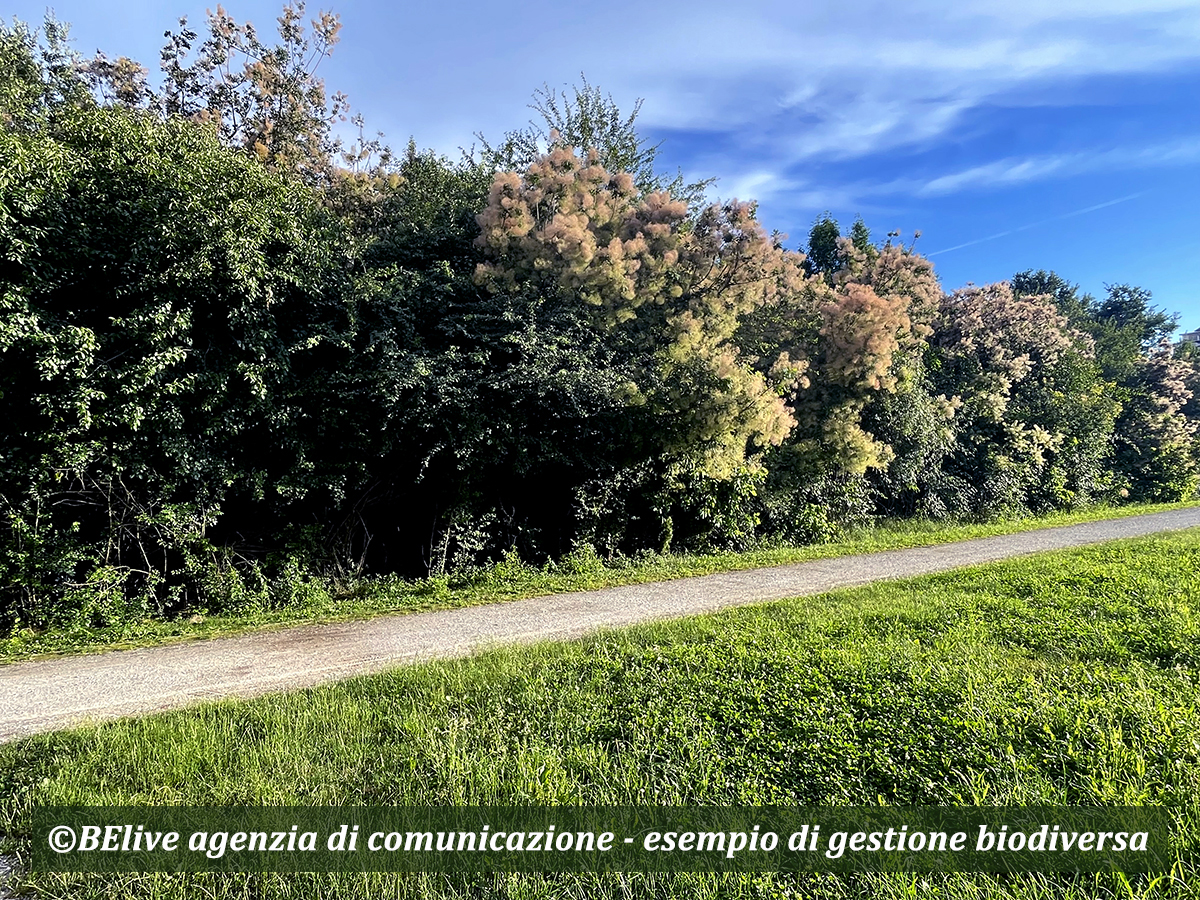
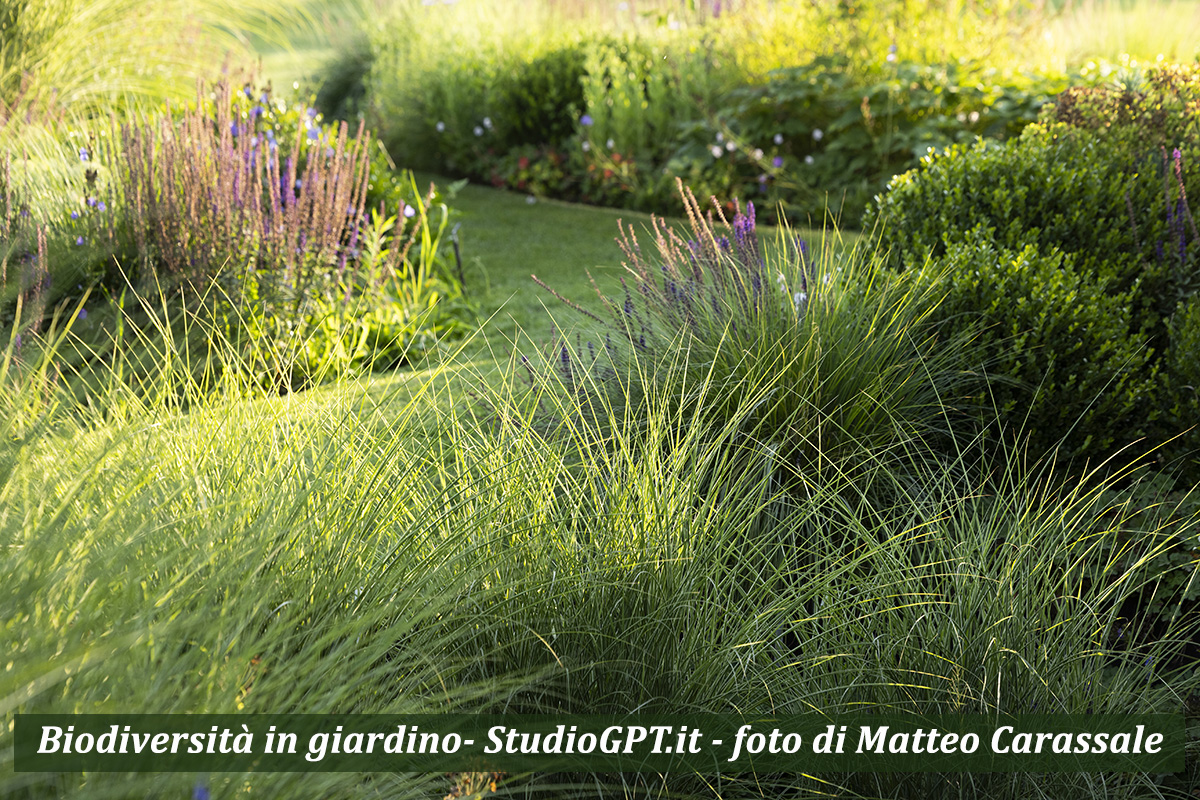
An environment rich in diverse species is not only more visually appealing but, more importantly, more resilient and better able to adapt to change. For this reason, the new guidelines promote greater diversity in the plants used in public and private spaces, moving away from the tendency to repeatedly use the same species.
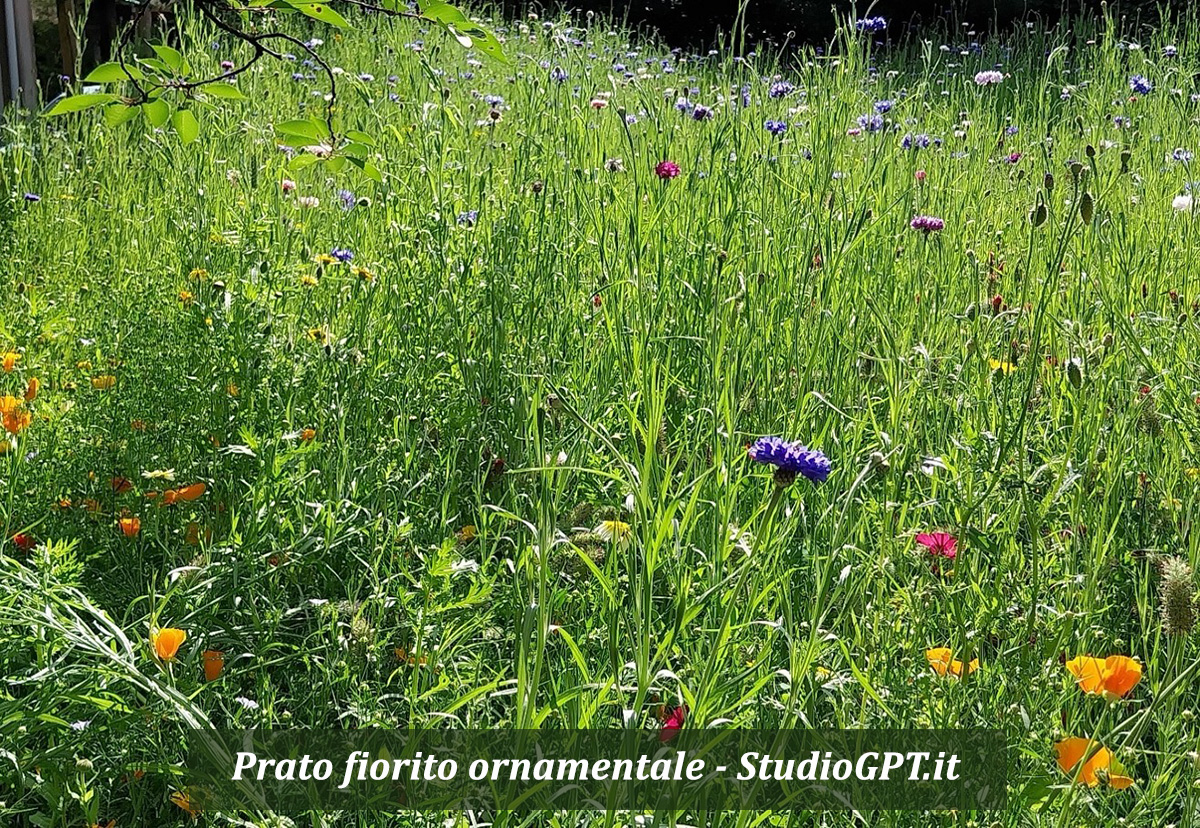
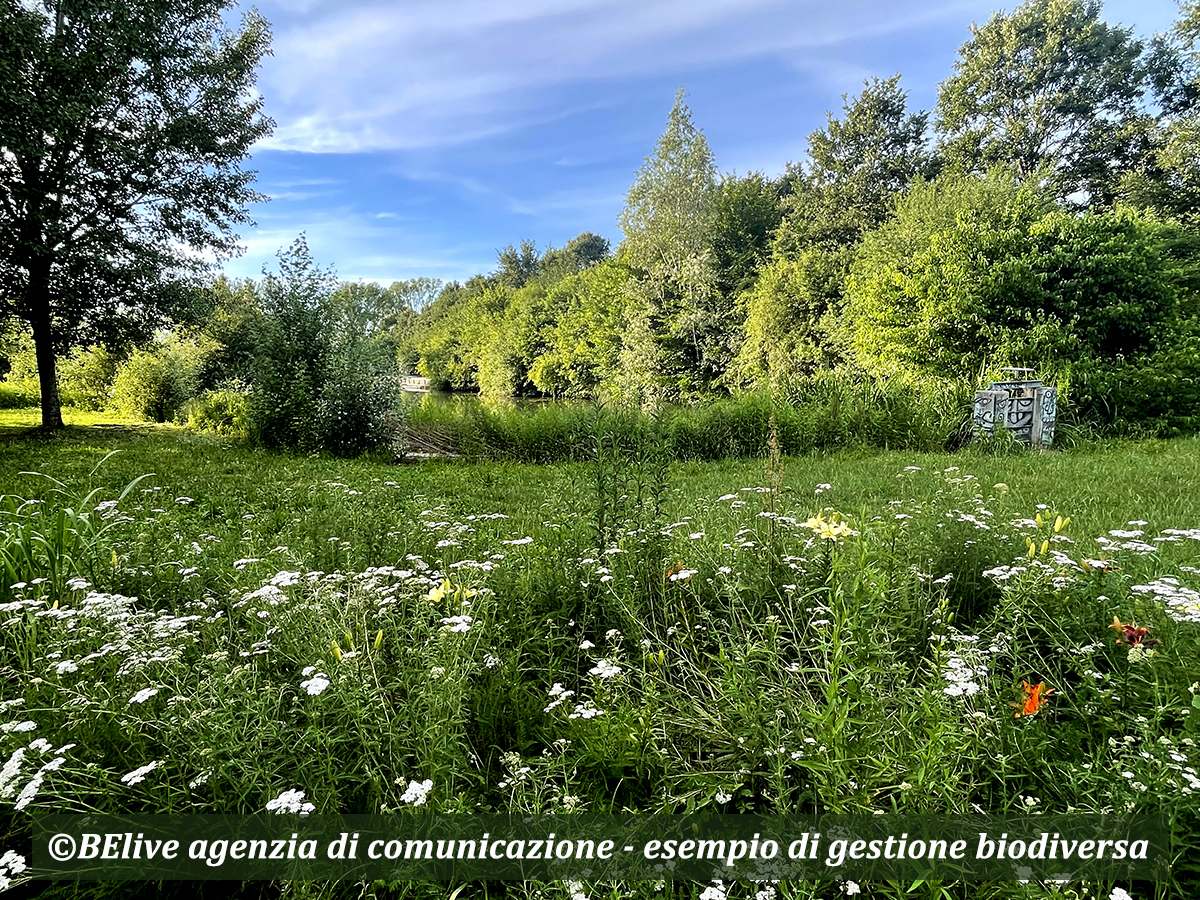
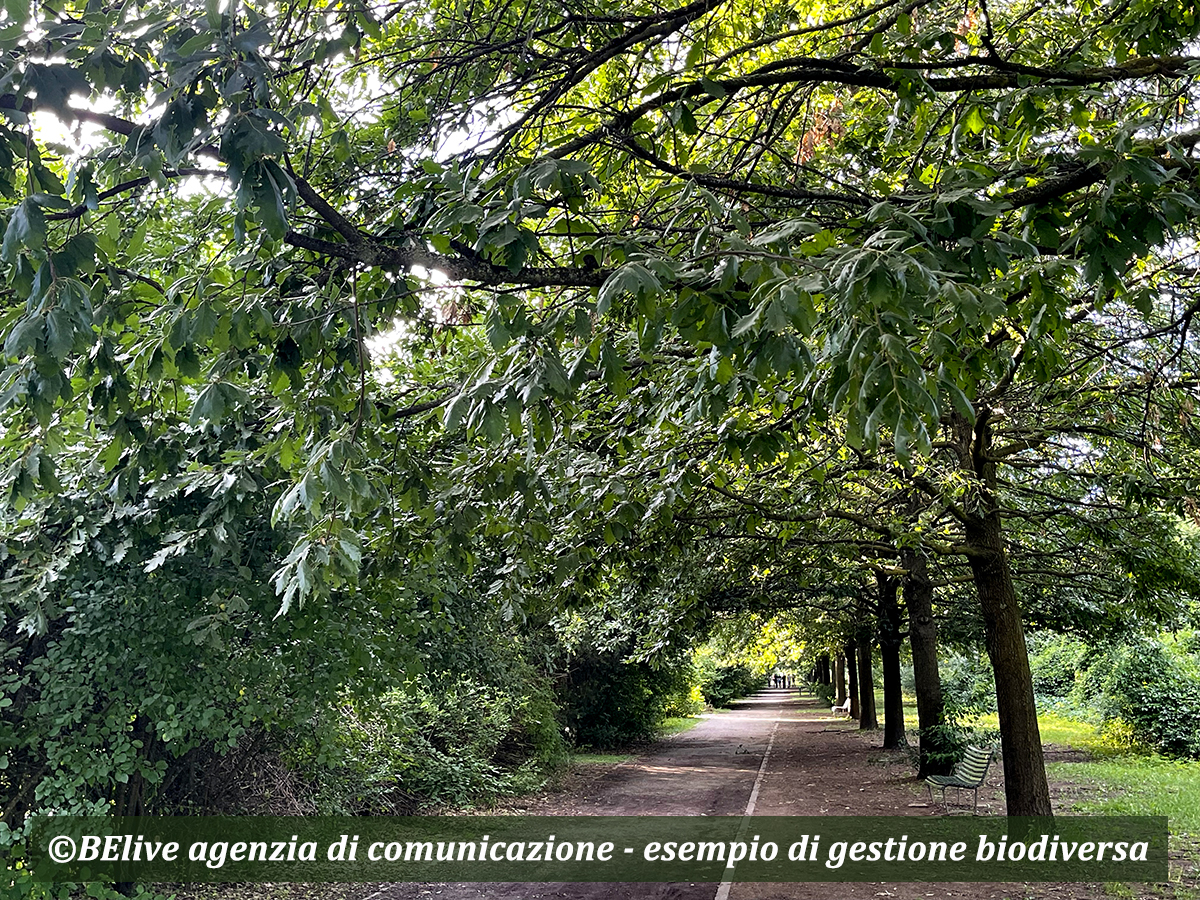
New projects will prioritize a mix of trees, shrubs, and herbaceous plants, selected based on local conditions and their ability to provide food and shelter for urban wildlife. Special attention will be given to species that produce flowers, fruits, and berries beneficial to pollinators and birds. In more natural or agricultural settings, preference will be given to species native to the area. Greater biodiversity makes green spaces more resistant to diseases and pests, improves the city’s ecological quality, and helps create landscapes that are richer, more dynamic, and visually interesting throughout the year.
What is actually meant
We can look at a current example. Not long ago, we faced the issue of the Asian longhorned beetle—a problem that has not yet been resolved—which led to the felling of a vast number of trees, particularly maples, to halt its spread.
These were uniform trees planted in rows along the streets of both small towns and large cities.
Replacing them should have involved planting mixed rows; that way, if a similar problem were to arise, the disease might only affect certain trees, meaning we would only need to remove those specific ones rather than the entire stand.
Indeed, diversification also offers the benefit of seeing different trees in bloom at various times of the year.
3 GREATER BIODIVERSITY IN PLANT-BASED CHOICES: WARNING
By now, you grasp the point we are making. There is a palpable sense of hesitancy in broaching this subject—as if to avoid upsetting industry professionals, such as the gardeners and architects who handle public projects.
“Promote” is a fine word, yet it imposes no actual obligation. Similarly, the phrase “priority will be given to…”—absent the aforementioned municipal oversight—remains non-binding.
The Municipality, through its “green” experts, must consistently urge designers to include these diverse species in their plans and bills of quantities, ensuring that gardeners and contractors are contractually bound to source them. Sourcing these specific plants may force gardeners and contractors to look across multiple nurseries—an extra effort that might meet with some grumbling—but that is precisely the challenge.
ERSAF NURSERIES
Municipalities very often—and rightly so—make use of the services provided by ERSAF (Regional Agency for Agricultural and Forestry Services). This agency produces and supplies commonly used tree species at affordable prices.
In the future, as an integral part of municipal operations, it will likely be important to verify that the plants produced by the agency are suited to ongoing climate change.
4 SMARTER GREENERY THAT REQUIRES LESS MAINTENANCE
Caring for green spaces does not necessarily mean frequent intervention. On the contrary, many solutions that align with natural processes require less maintenance while offering greater environmental benefits. The new guidelines therefore encourage a more ecological approach to managing green spaces, reducing the need for constant and often costly interventions.
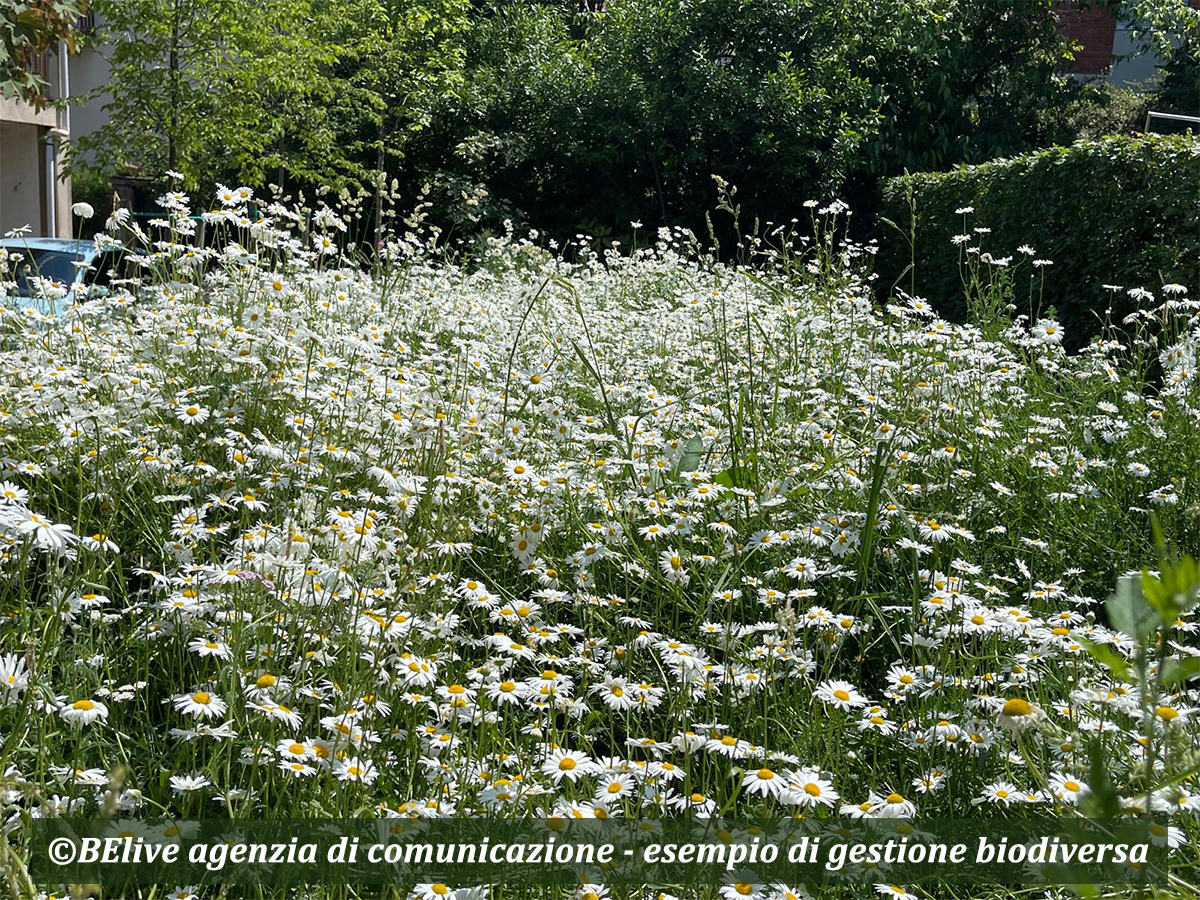
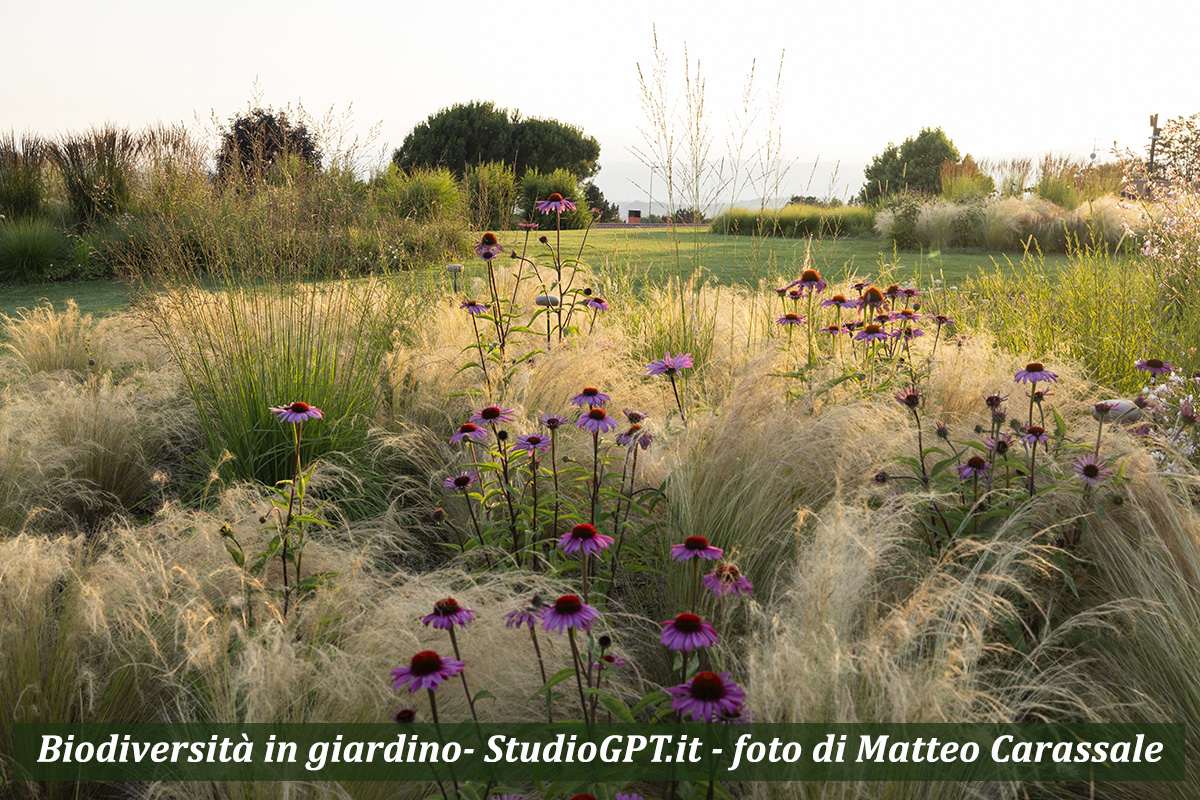
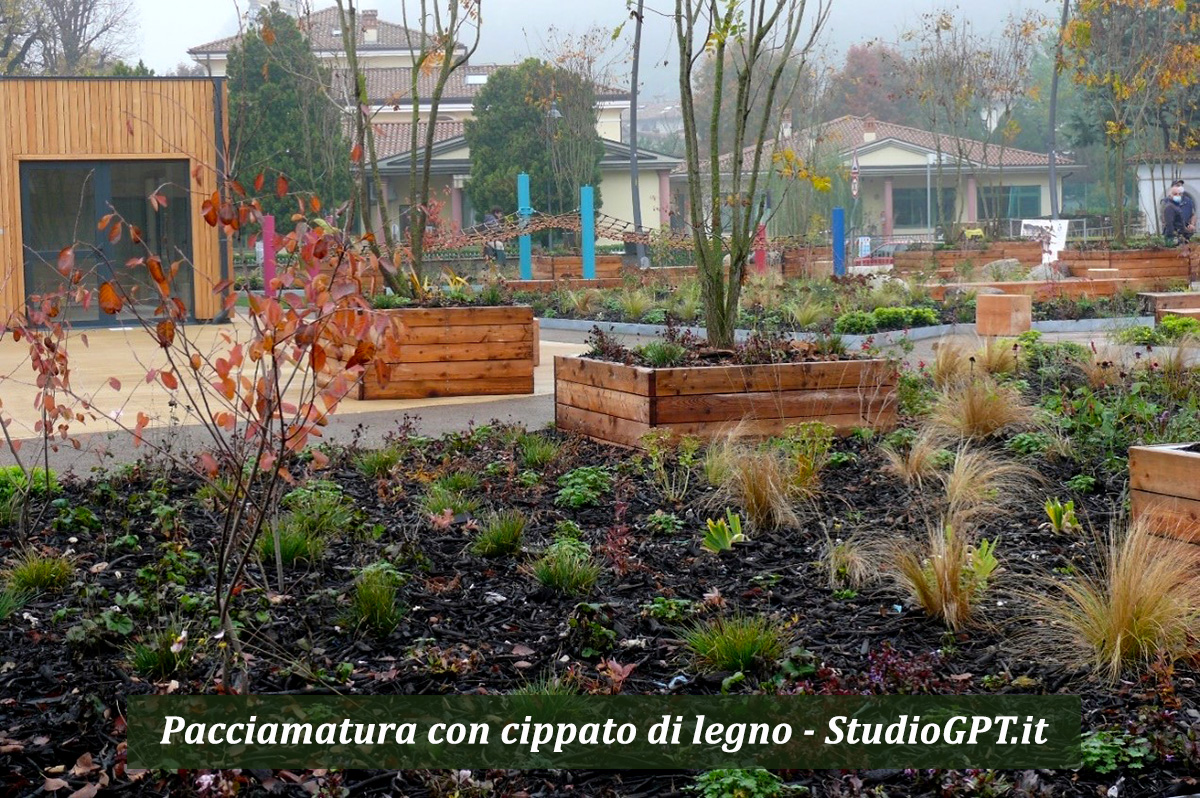
New projects will prioritize informal mixed hedges—composed of various shrub species that do not require frequent pruning—as well as borders of perennial herbs and grasses, and low-mow meadows instead of traditional, frequently cut lawns. The use of natural mulches, such as wood chips, will also be encouraged to help retain soil moisture and suppress weed growth. The result will be a more natural city, teeming with life and less dependent on frequent irrigation, mowing, and pruning.
What is actually meant
Take shrub groupings, for example. Until now, the common practice at planting time has been to place many shrubs close together to achieve a visible result quickly. Furthermore, plant varieties were often selected for their flower or foliage color but were ultimately too large for their designated spots. The problem arises when the plants reach maturity: they become overcrowded and require constant pruning, causing maintenance costs to skyrocket.
Placing the right plants at the correct distance from one another and from the lawn edges allows for targeted pruning (four sessions a year—two per species, rather than six to eight across the board), reduces water requirements, and results in healthier plants. We simply need a little more patience to see the shrub group reach its full splendor, which typically happens within two to three years.
THE ROWS ALONG THE SIDELINES
We should also encourage the restoration of shrubbery along the edges of cultivated fields—a practice from the past, but improved upon. Planting these rows of shrubs and trees offers numerous benefits: not only do they protect crops, but they also aid nature by serving as safe corridors for small wildlife and providing food for birds and bees.
Using natural mulch is a way to replace anti-weed sheeting; the latter is unsightly and—as is now known—harmful to the soil, as it fosters the proliferation of harmful bacteria both underneath and in the surrounding area, effectively suffocating underground life.
4 SMARTER GREENERY THAT REQUIRES LESS MAINTENANCE: WARNING!
Instead of “will be prioritized,” it would have been safer to use “must be used”; furthermore, regarding the phrase “various shrub species,” it would have been good to see the inclusion of a binding parenthetical clause such as “[at least 3 (or 4)].”
The phrase “will also be encouraged” raises numerous questions: how exactly will this be encouraged? Will contracting companies be offered tax breaks or access to sources where they can purchase the material at a lower price than the anti-germination sheets currently in use? In other words, will natural material be made more economically attractive and more readily available than artificial material?
5 RAINWATER BECOMES A RESOURCE
For decades, rainwater was diverted away from cities and disposed of as quickly as possible via storm drains and sewers. Today, given increasingly extreme weather events, we know that sudden downpours overwhelm these systems, resulting in enormous costs. Moreover, rainwater can serve as a resource to enhance the functioning of urban ecosystems.
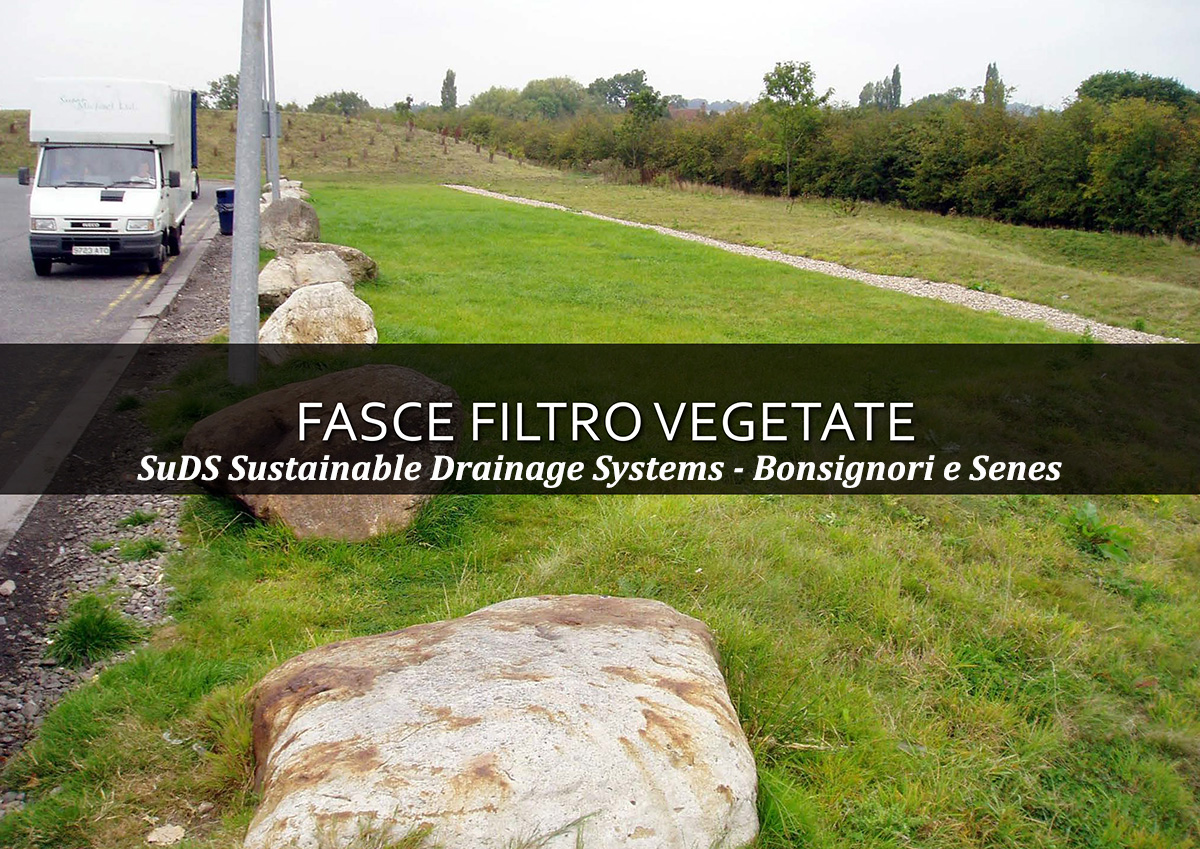
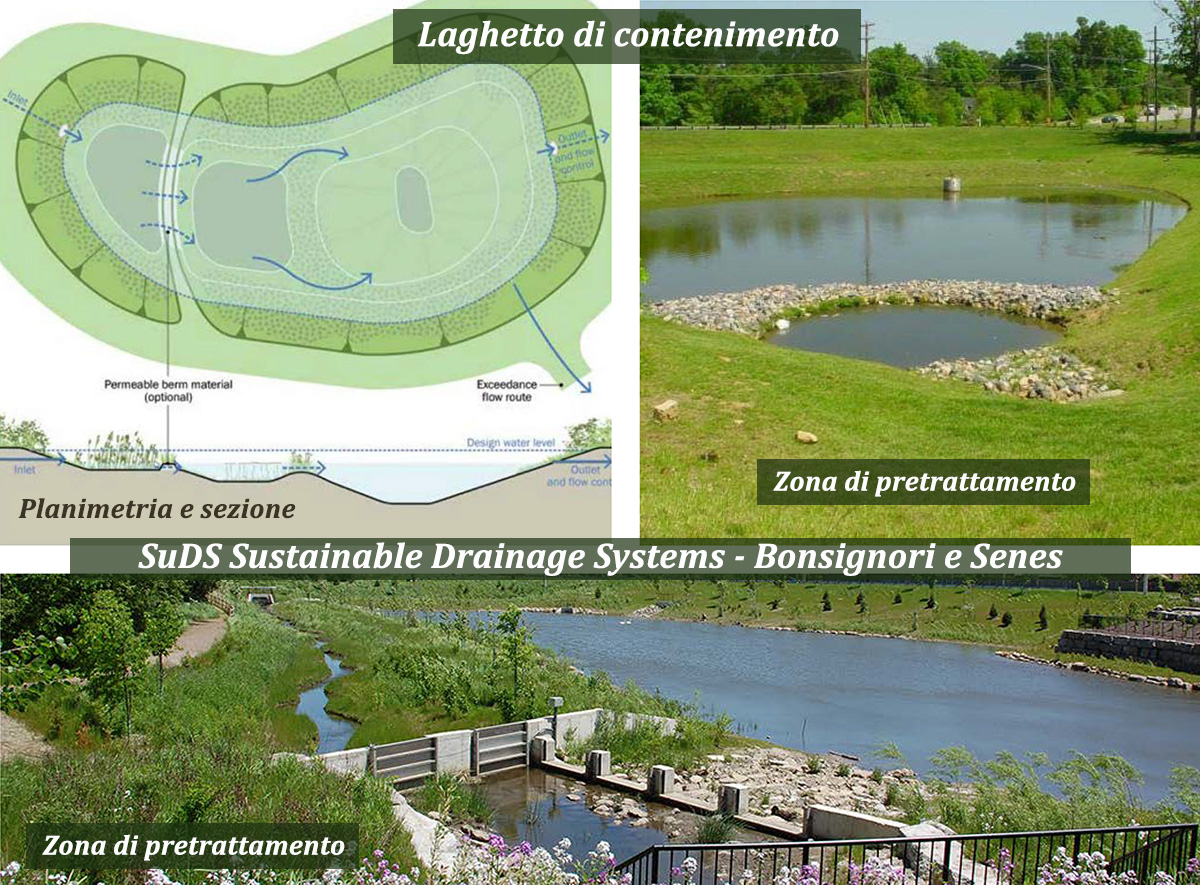
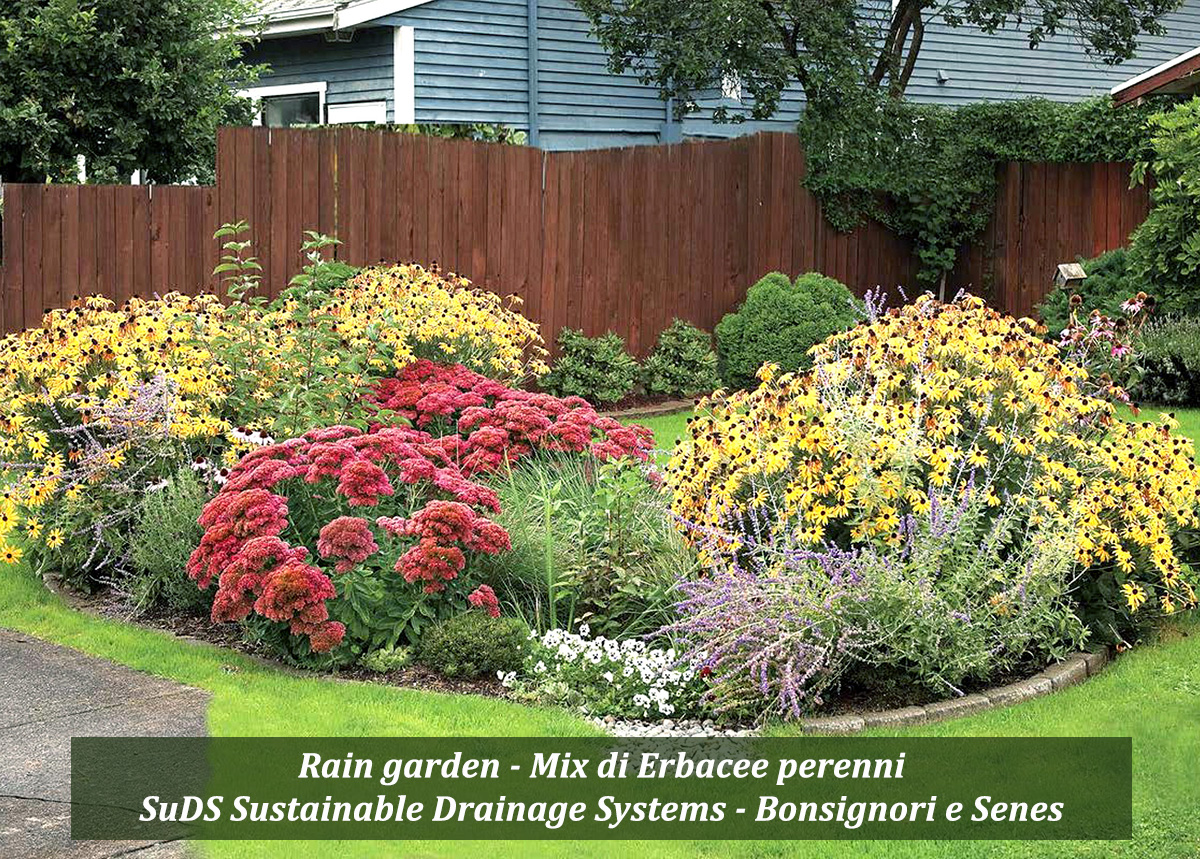
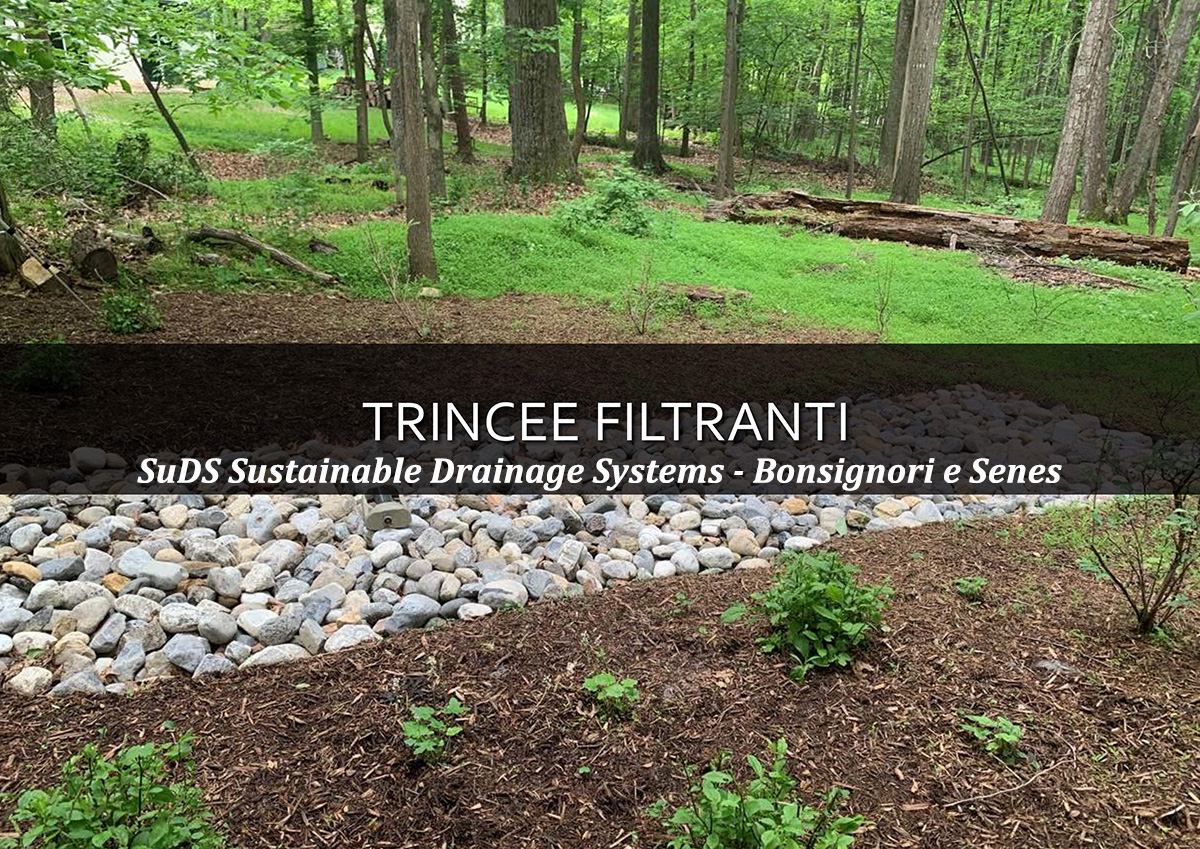
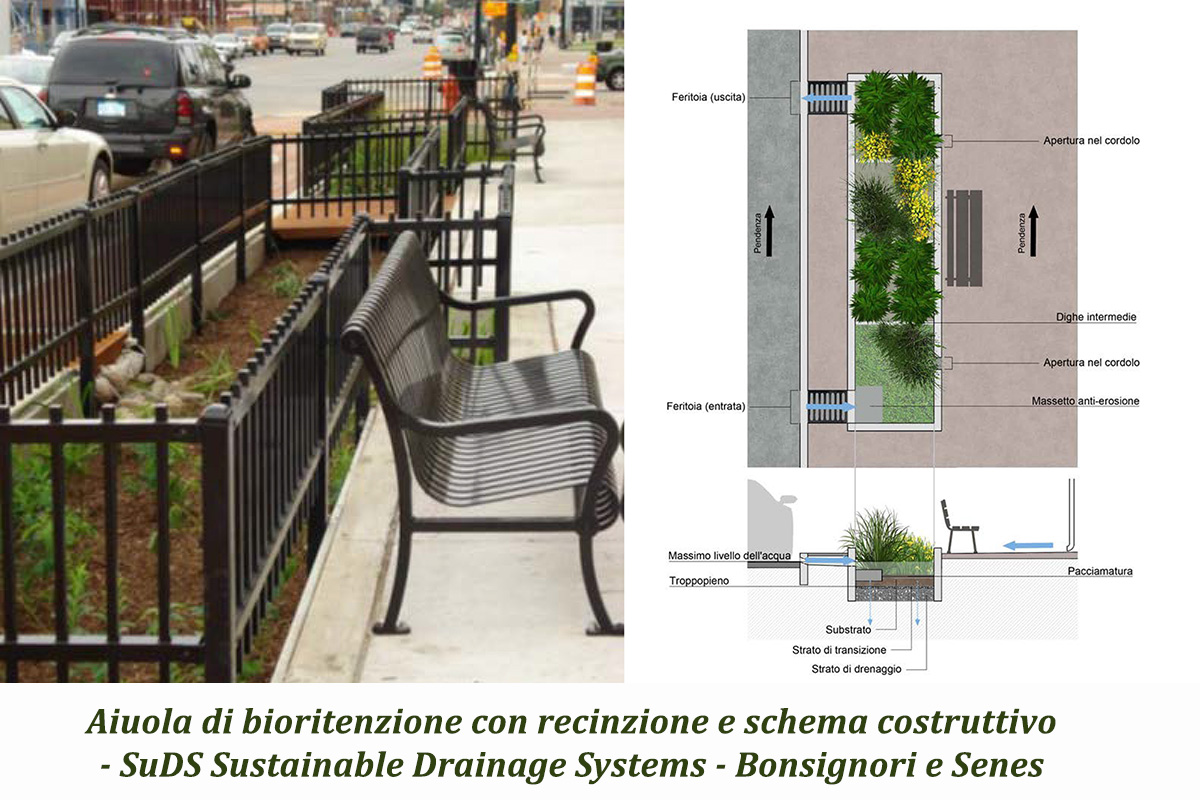
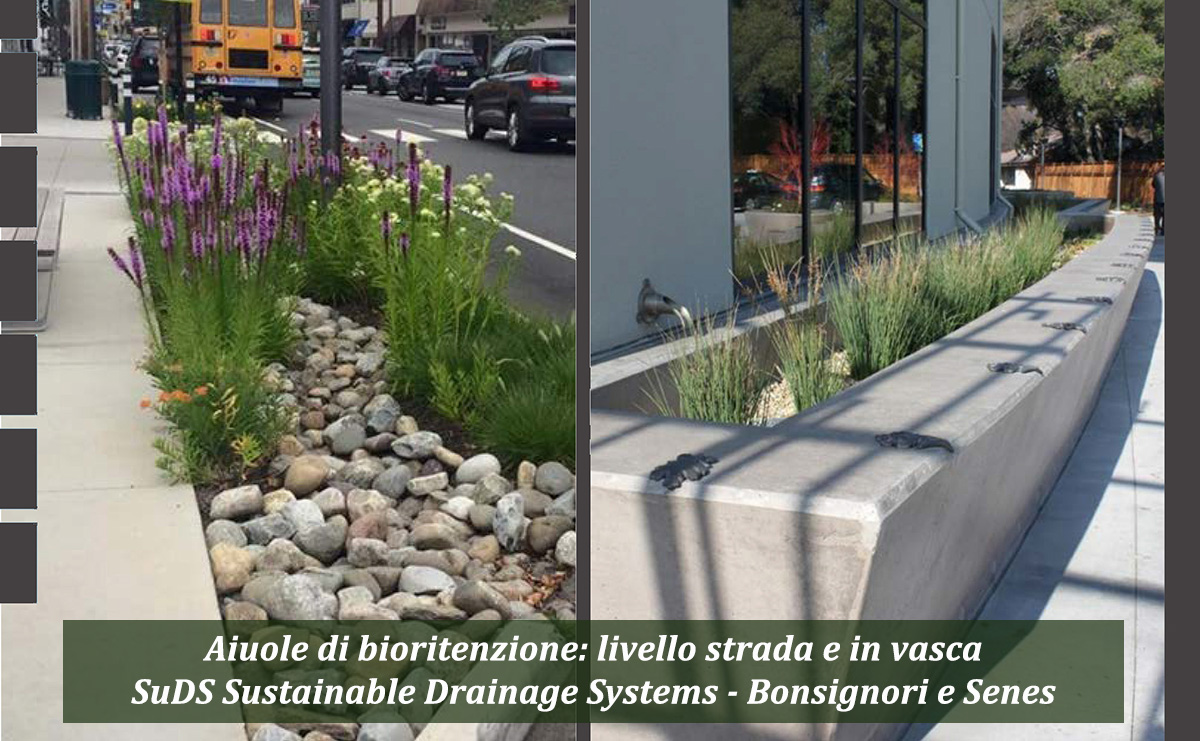
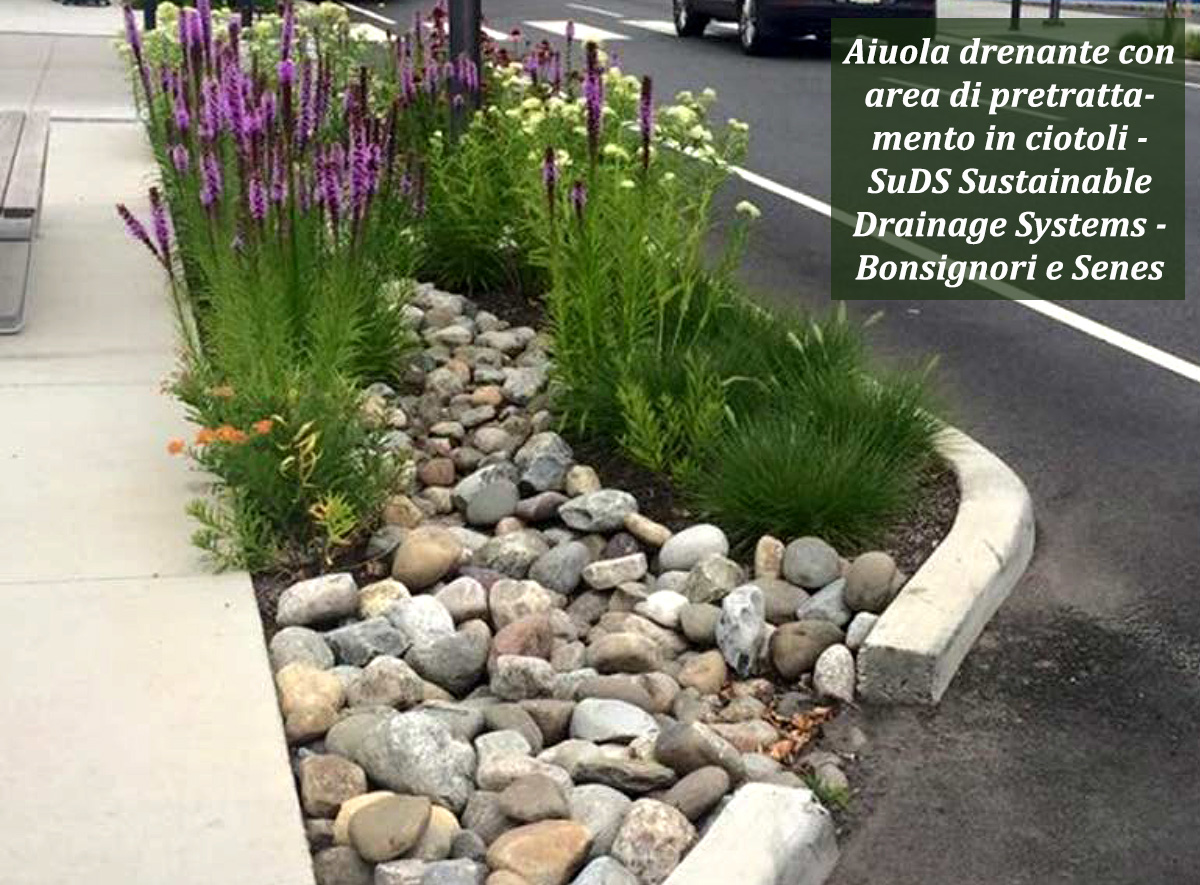
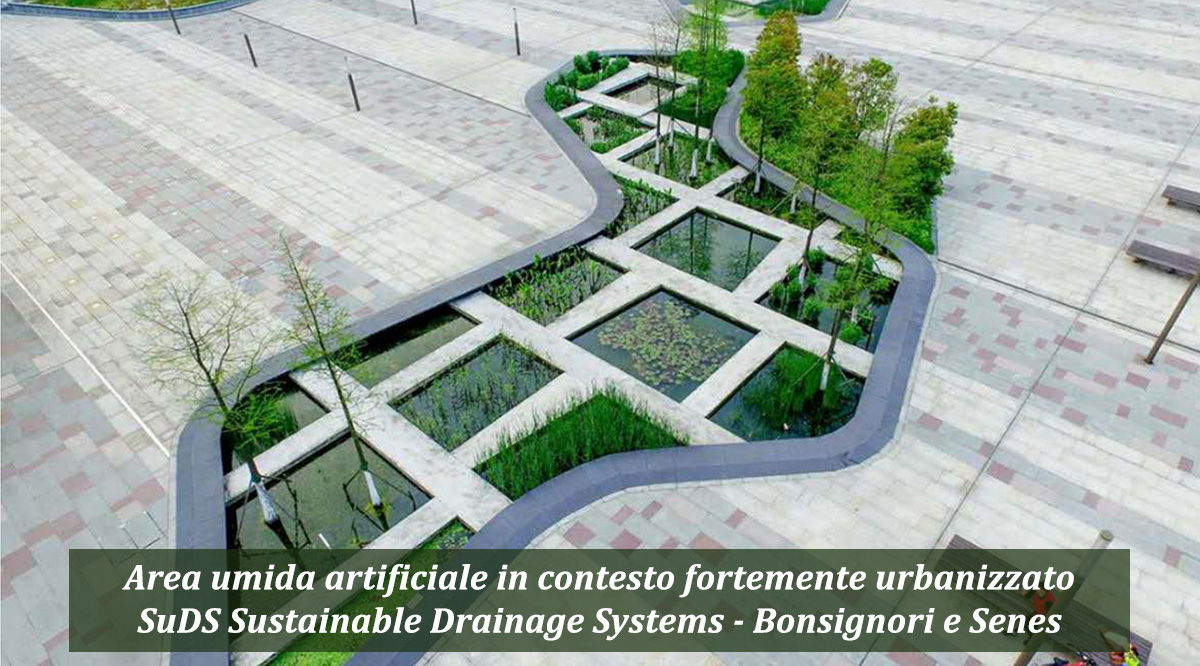
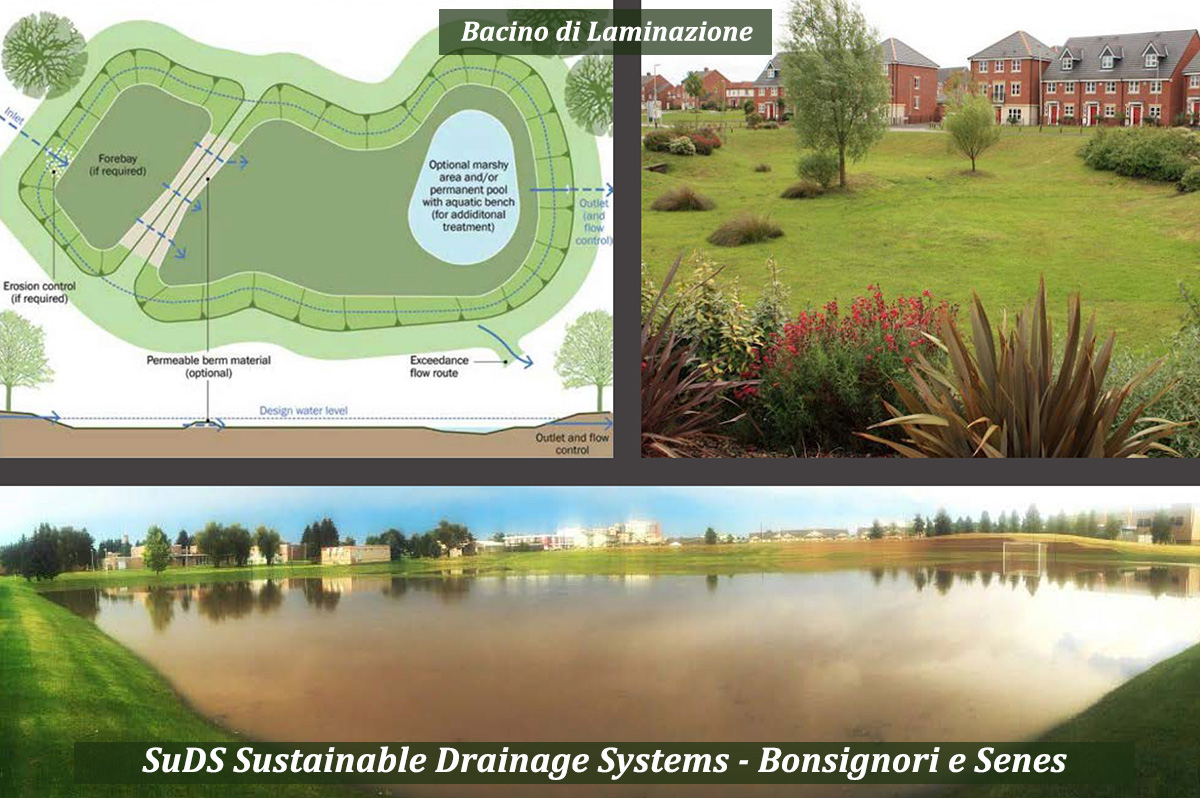
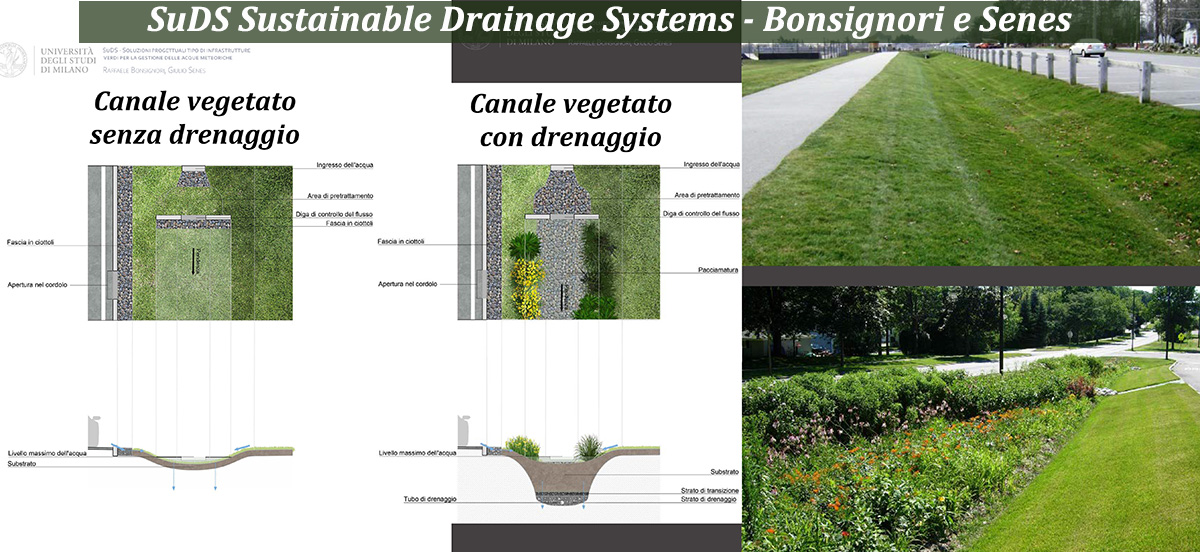
The new guidelines therefore advocate managing precipitation by mimicking natural processes as closely as possible, transforming the city into a “sponge” capable of absorbing and harnessing water. Future projects will incorporate features such as rain gardens (wetland areas designed to temporarily retain water and slowly release it into the soil), permeable planting beds, vegetated channels, retention basins, and infiltration systems. These solutions help reduce flood risks, alleviate the load on sewer networks, and facilitate natural groundwater recharge. At the same time, they create valuable habitats for insects, amphibians, and other species, thereby boosting urban biodiversity.
What is actually meant
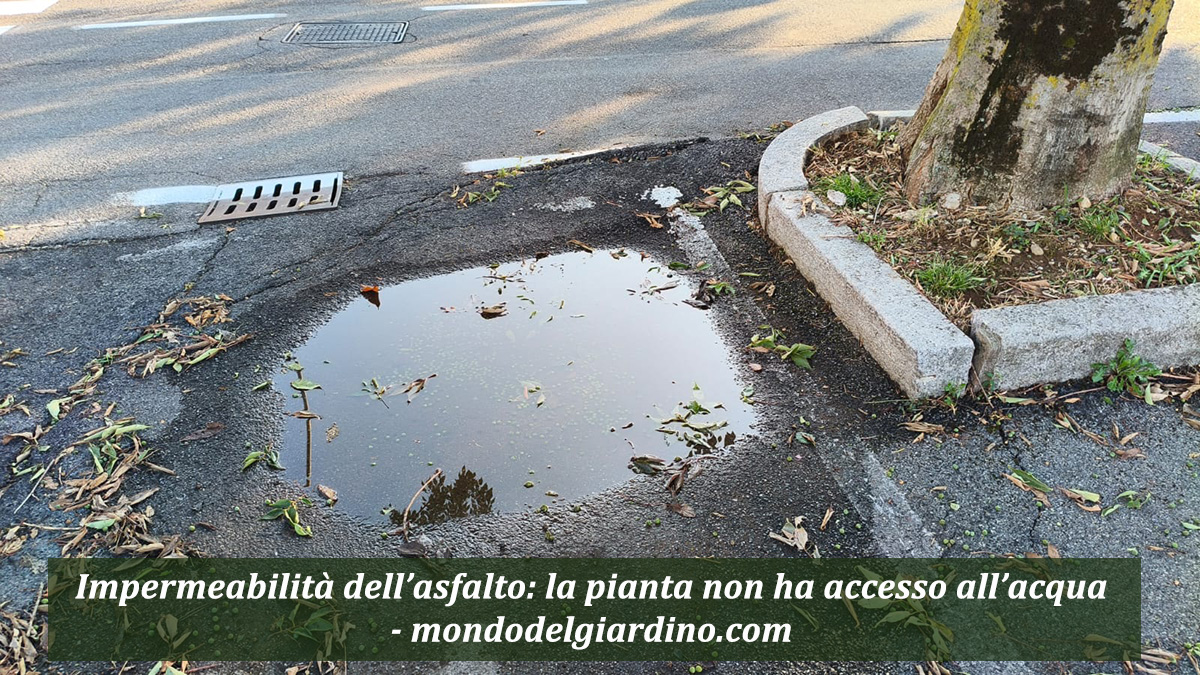
We have included a photo showing how, today, water remains on the asphalt for days—either evaporating or being displaced by cars—until it eventually drains into the gaps. Nearby stands a tree that cannot utilize even a single drop of that water. This situation is unacceptable today and must be changed as soon as possible.
5 RAINWATER BECOMES A RESOURCE: WARNING
The systems in question are new to gardeners in terms of installation and commissioning experience. It would be beneficial to promote and organize training courses to increase the number of companies capable of handling them, thereby facilitating the widespread adoption of these practices.
6 GREEN ROOFS AND ROOFTOP GARDENS
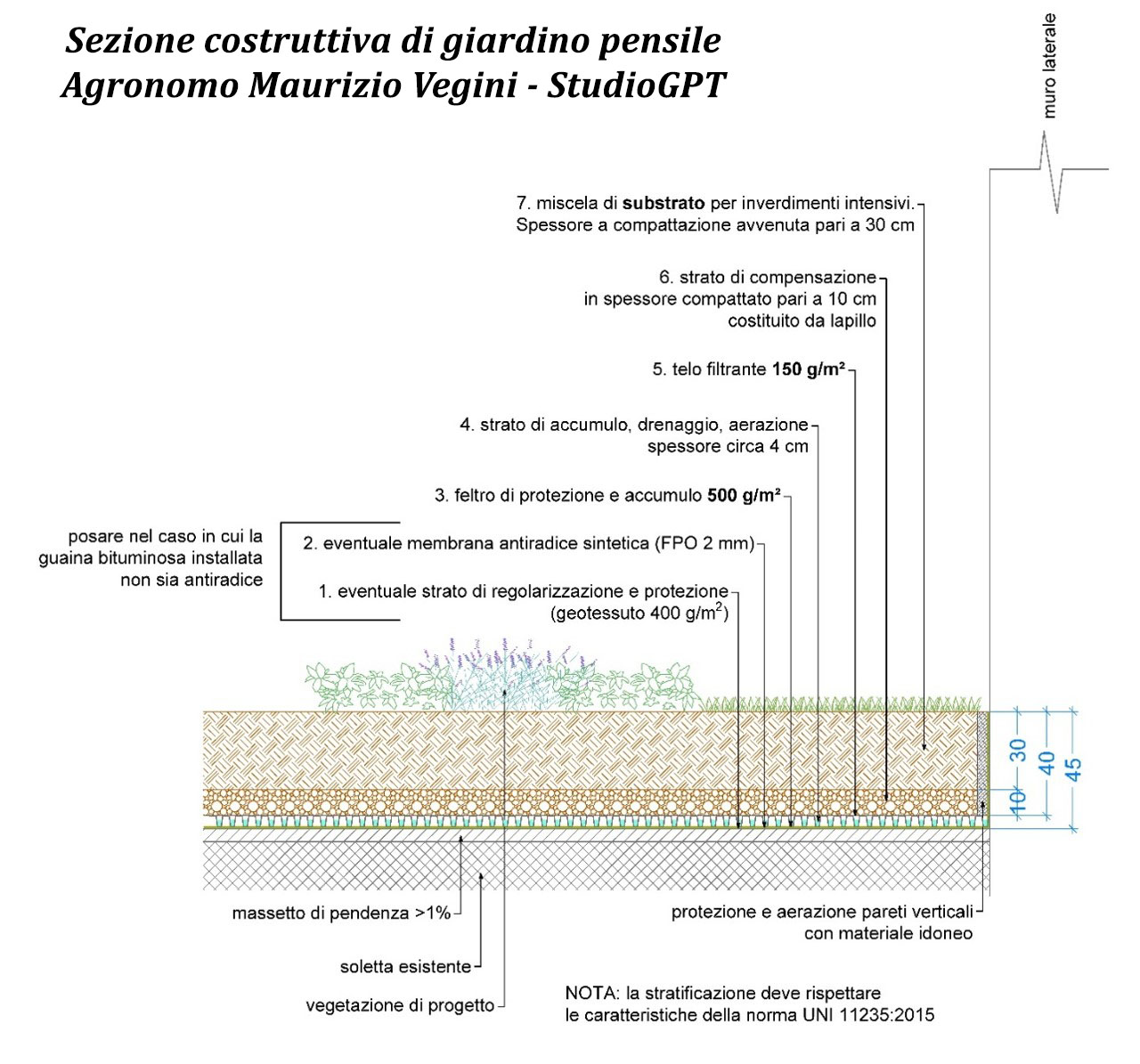
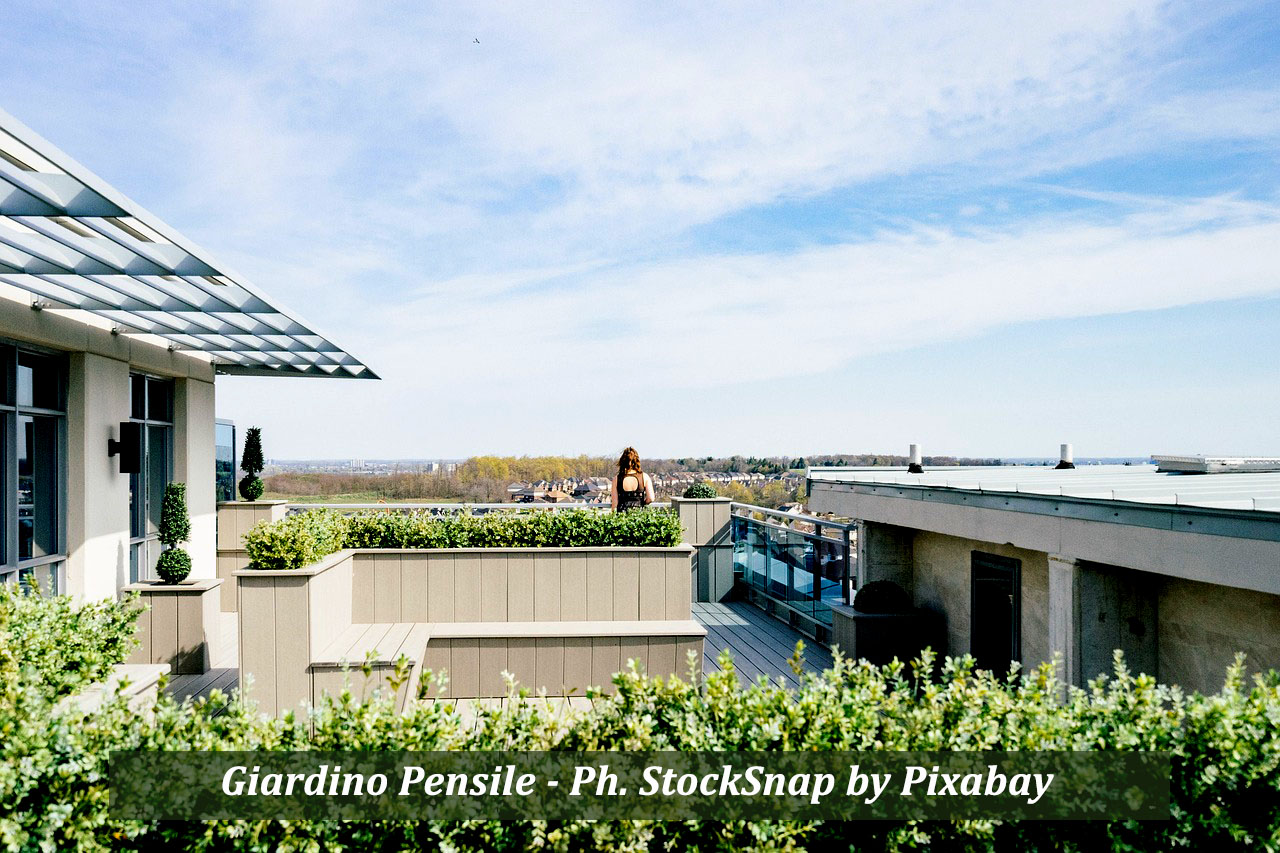
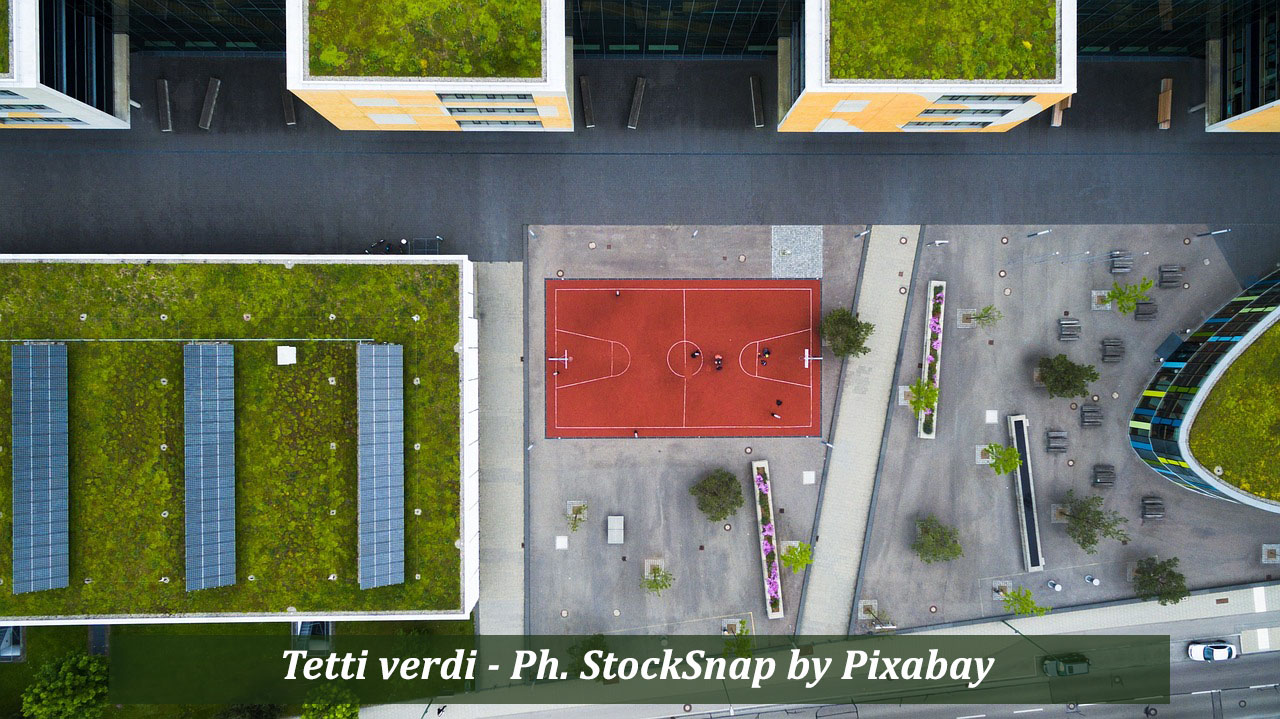
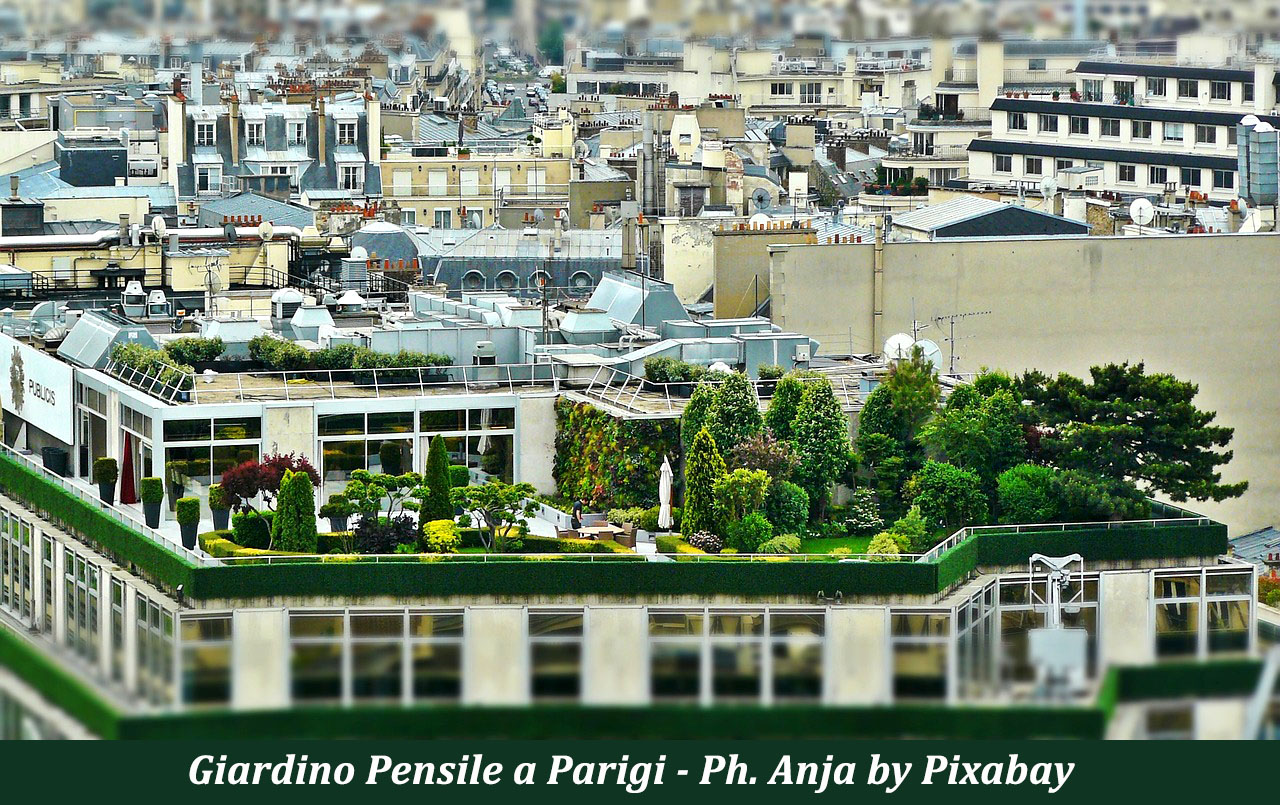
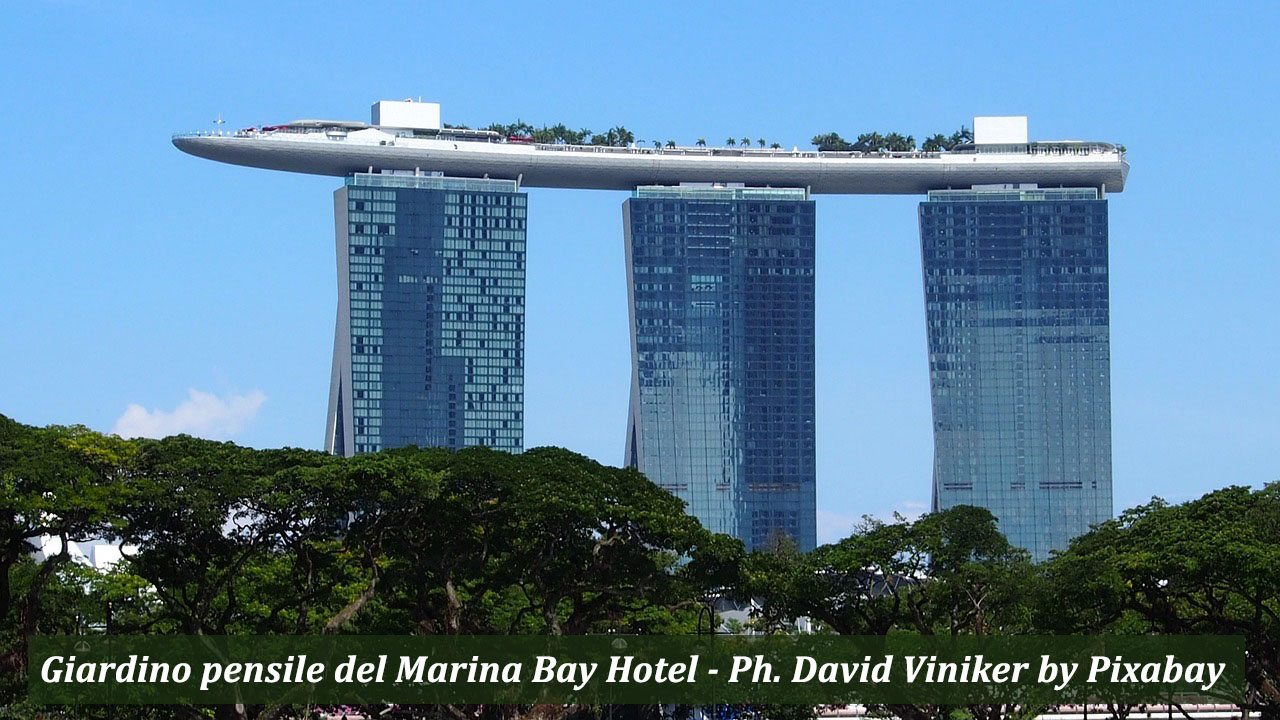
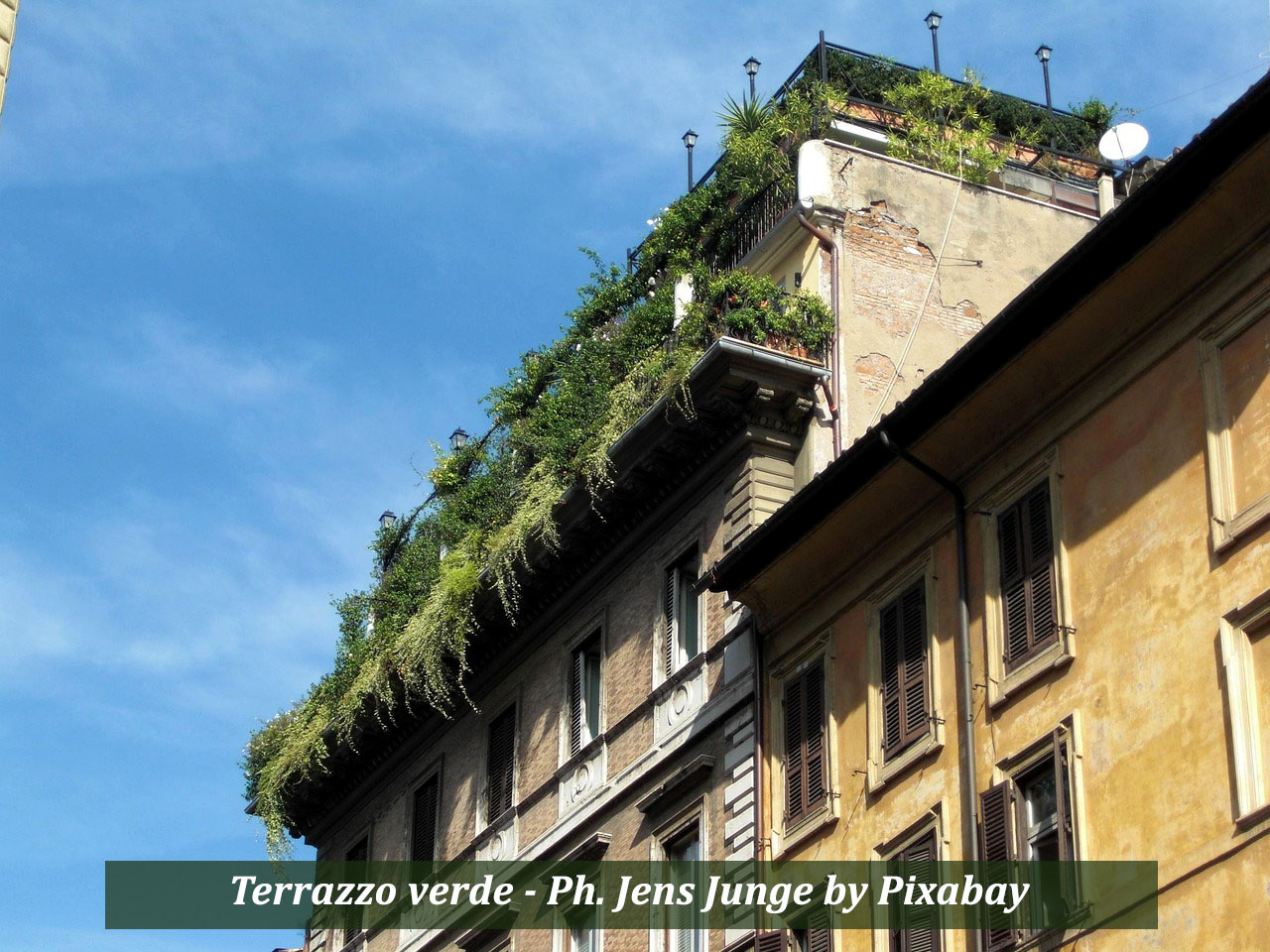
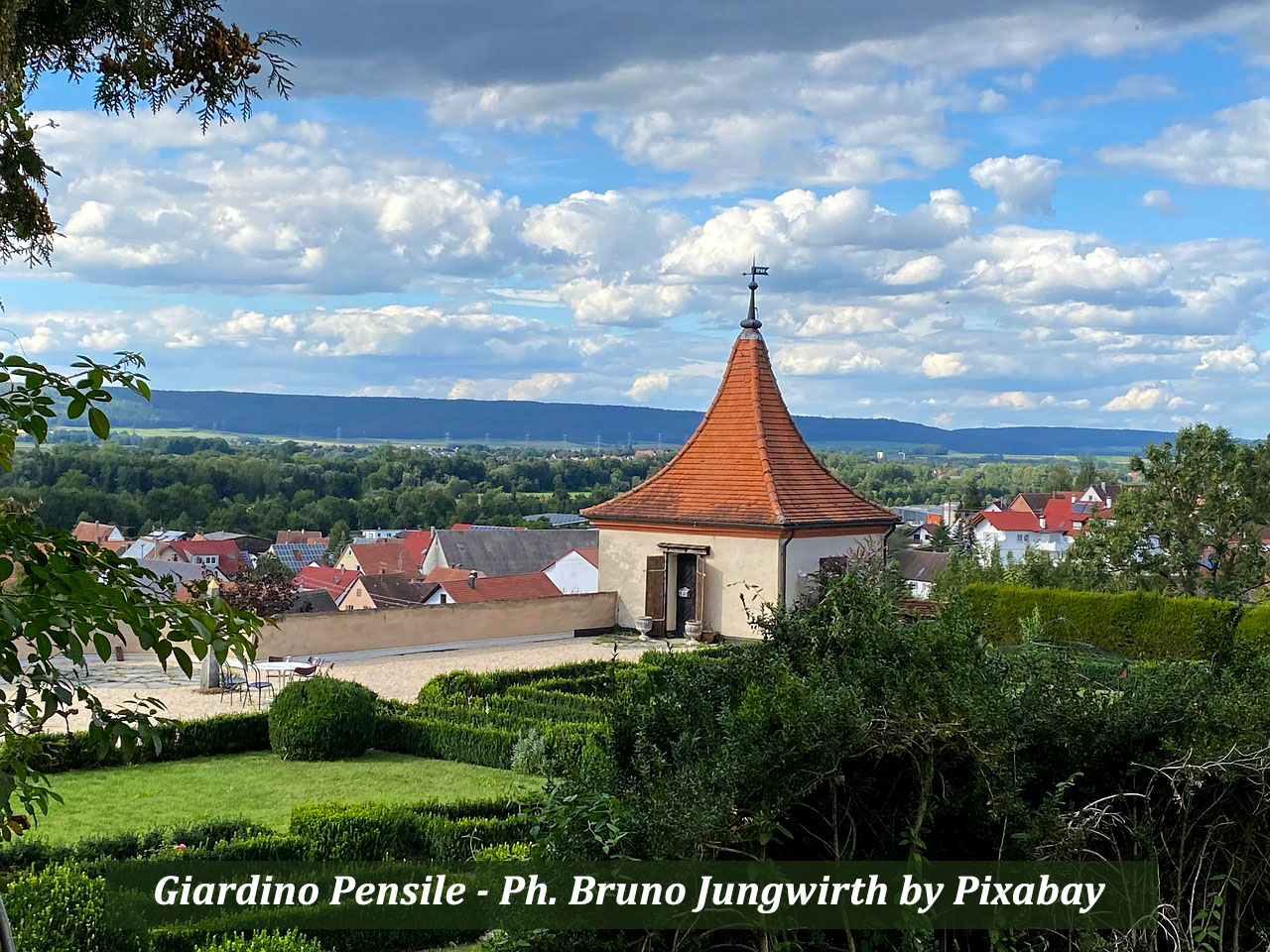
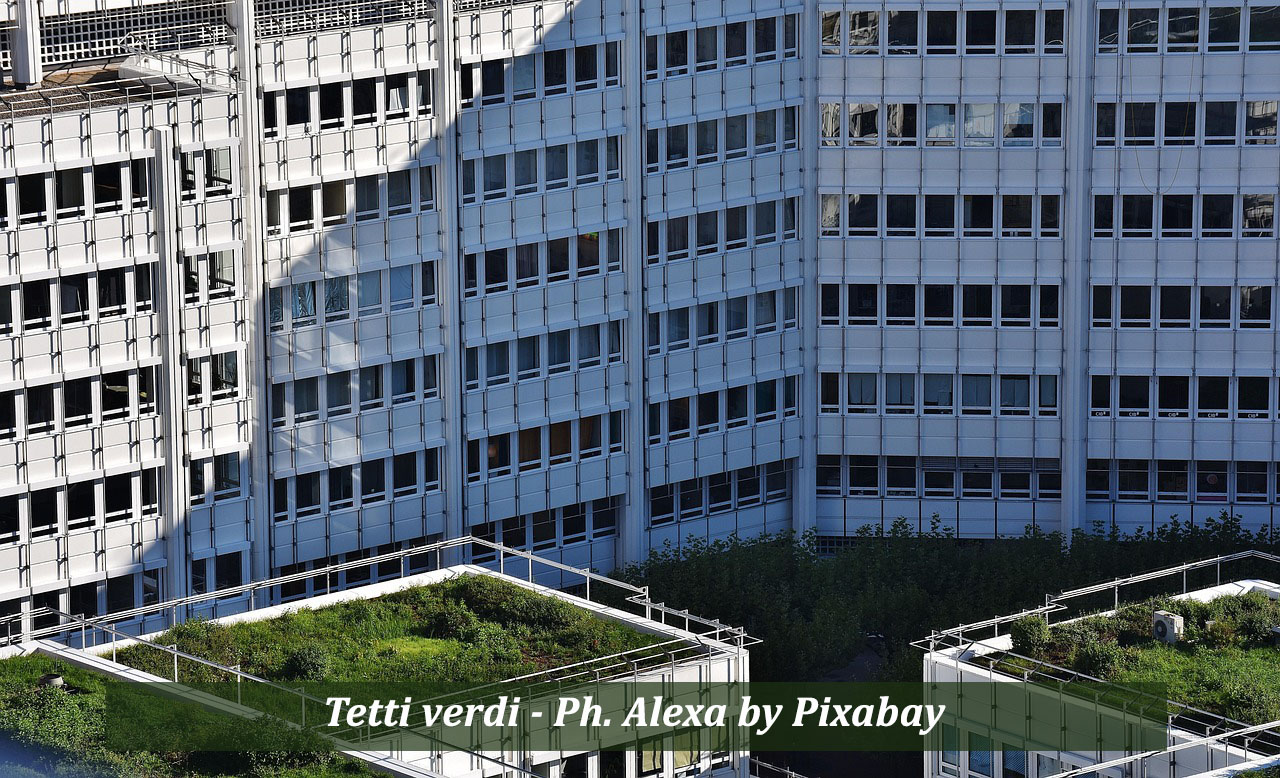
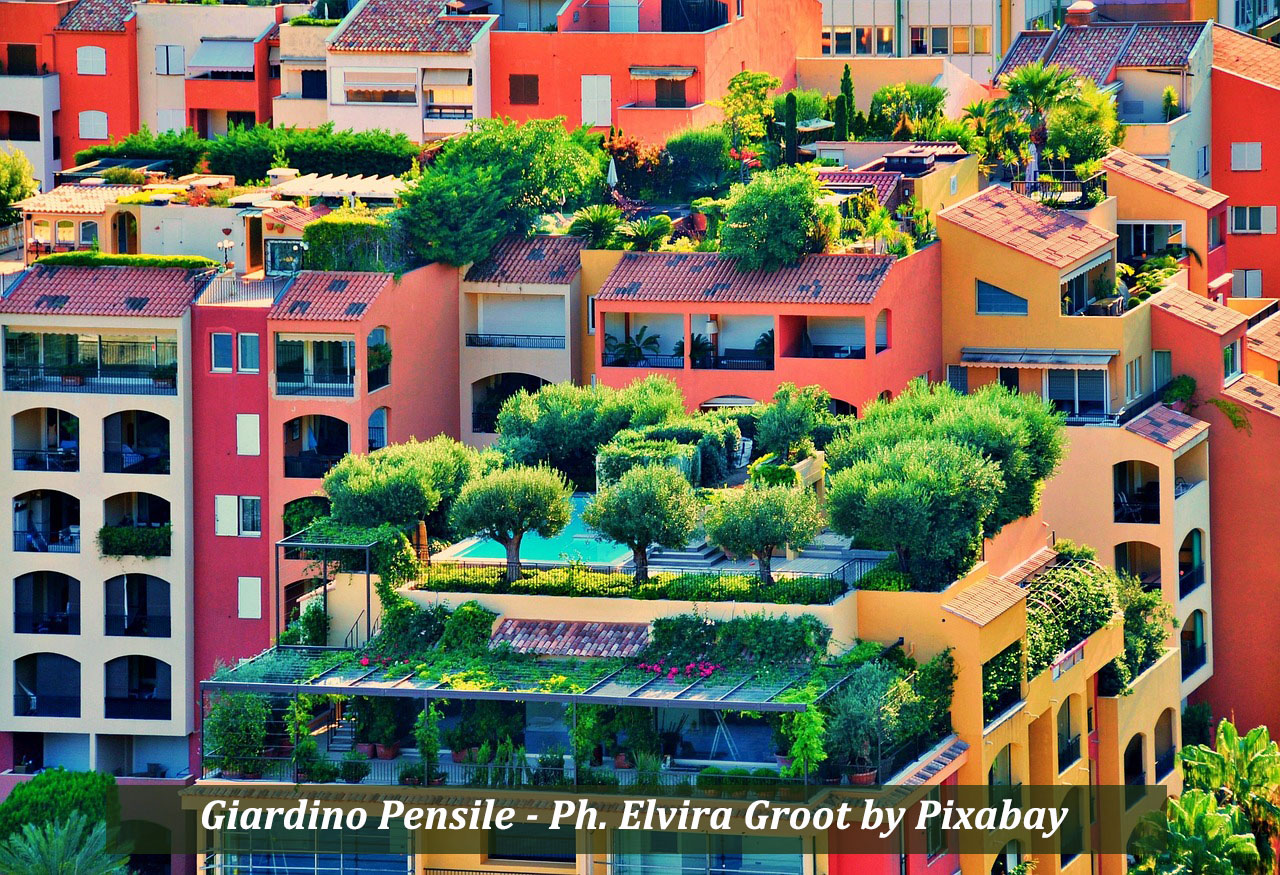
Building rooftops can also help make the city greener and more resilient. The guidelines promote the creation of green roofs and roof gardens—solutions that transform often-unused surfaces into spaces capable of performing important environmental functions.
In addition to improving thermal insulation and reducing summer overheating, green roofs retain a significant amount of rainwater, acting much like a sponge. Water is stored in the substrate and gradually released back into the environment through infiltration and evaporation, thereby reducing peak runoff into the sewer system during heavy storms. This helps lower the risk of flooding and improves the urban microclimate. Furthermore, vegetated roofs provide new spaces for biodiversity, creating habitats that can be colonized by pollinating insects and small animals.
What is actually meant
While this aspect is of primary importance, we believe its actual rate of implementation remains secondary. Such roofs have seen limited use in our country, and it is rare to find companies offering “turnkey” green roof solutions; the process requires both an architect to design the roof and a contractor to build it, and both parties must possess genuine expertise in the field.
Regarding existing buildings, flat roofs are uncommon in Italy, and not all of them possess the structural capacity to support a green roof without requiring costly modifications.
This type of roof and rooftop greenery represents a sound concept that is already widely adopted elsewhere in Europe. Major cities are actively promoting it, and it is right for us to do the same; however, the topic receives little attention here, and few companies have the know-how to execute these projects.
We hope that the recommendations set out in the guidelines will encourage homebuilders to incorporate this feature more frequently from the initial design stage.
6 GREEN ROOFS AND ROOFTOP GARDENS: WARNING
Mondo del Giardino believes that once it becomes the norm in Italy to build according to the first five guidelines, we will then be ready for green roofs and rooftop gardens. We hope we are wrong and that these changes happen concurrently.
7 FEWER CONCRETE WALLS, MORE CONNECTED NATURE
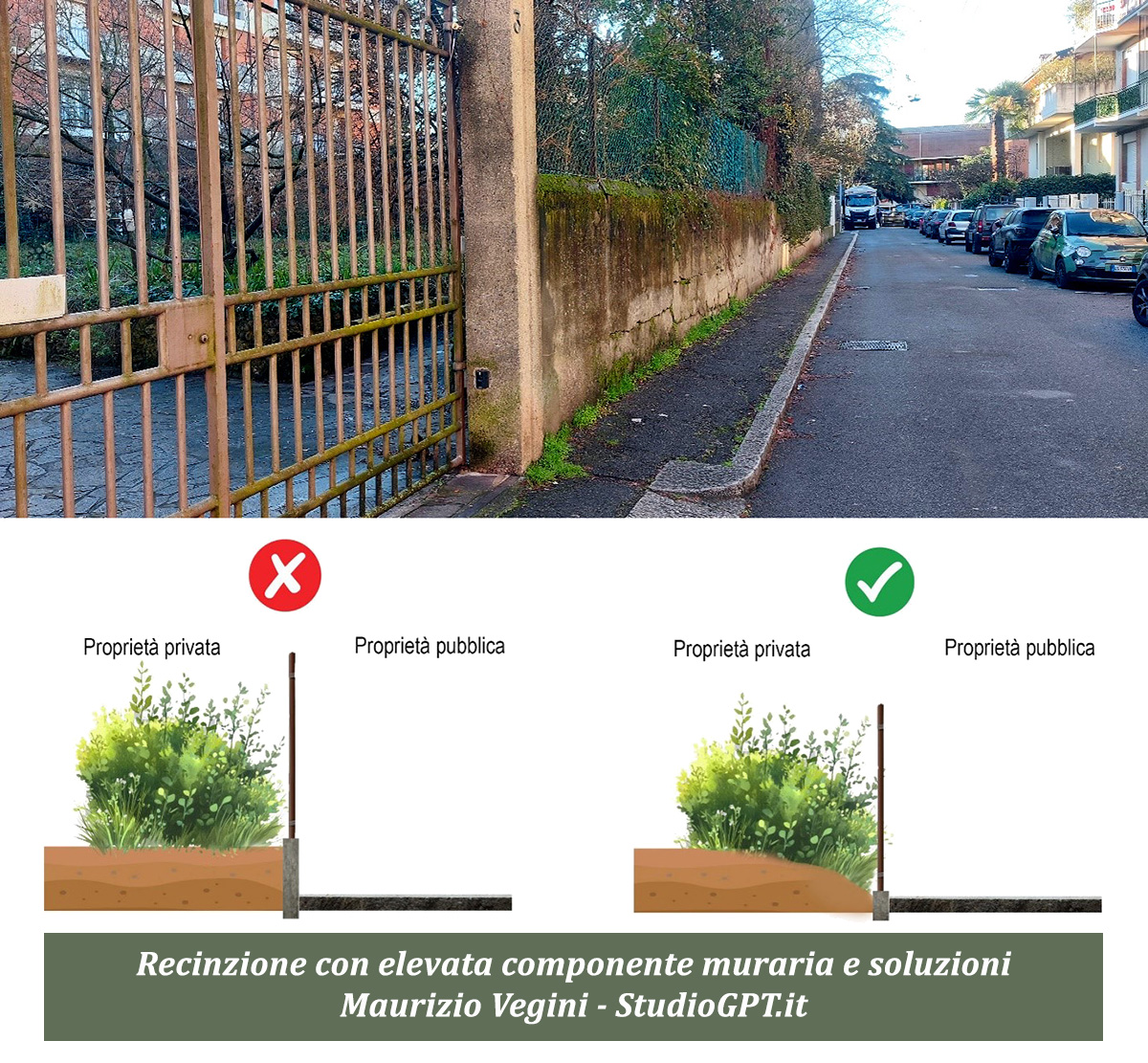
Fences and walls serve an important purpose, but when they become overly intrusive, they can create visual barriers, limit soil permeability, and hinder the movement of small wildlife. The new guidelines encourage minimizing the use of reinforced concrete boundary walls in favor of lighter solutions that blend into the landscape.
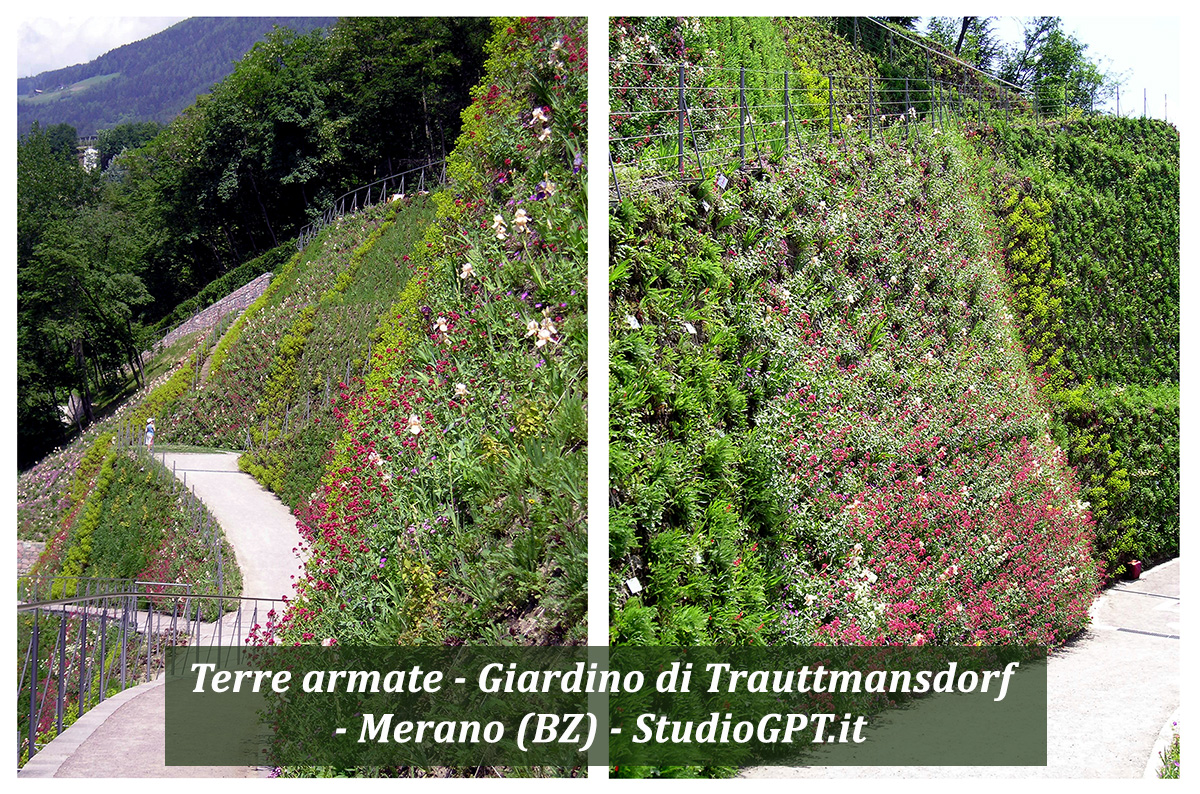
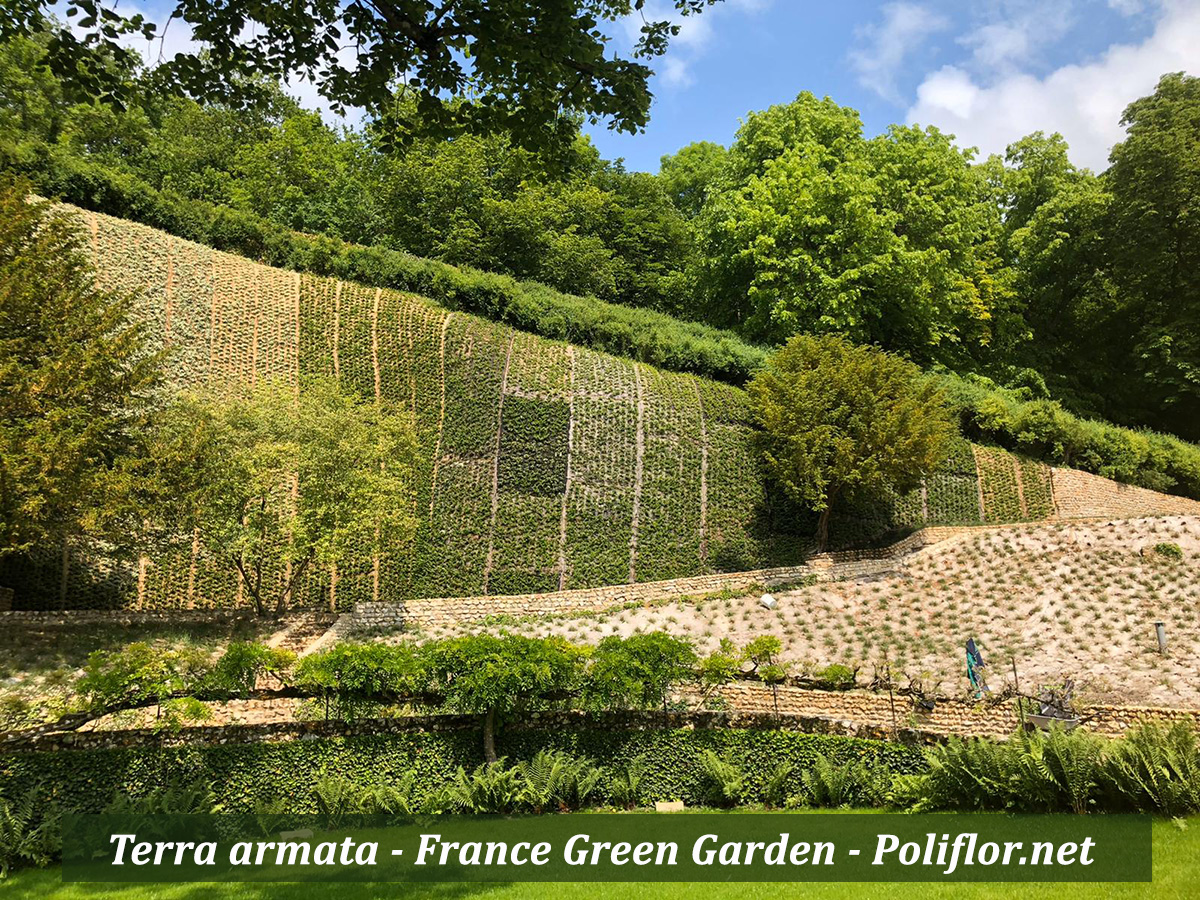
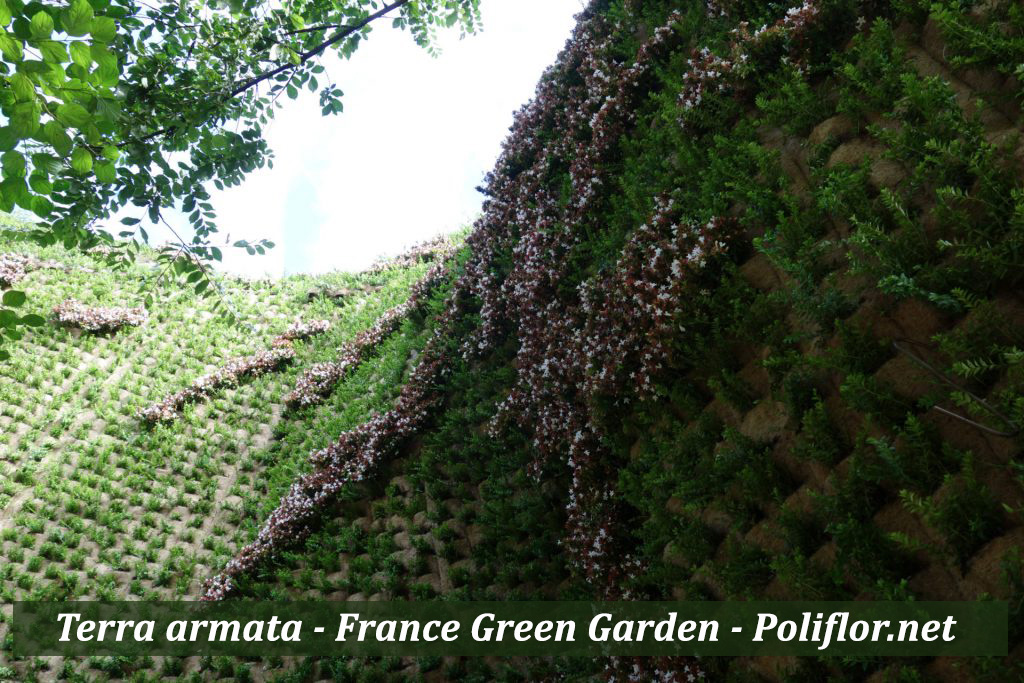
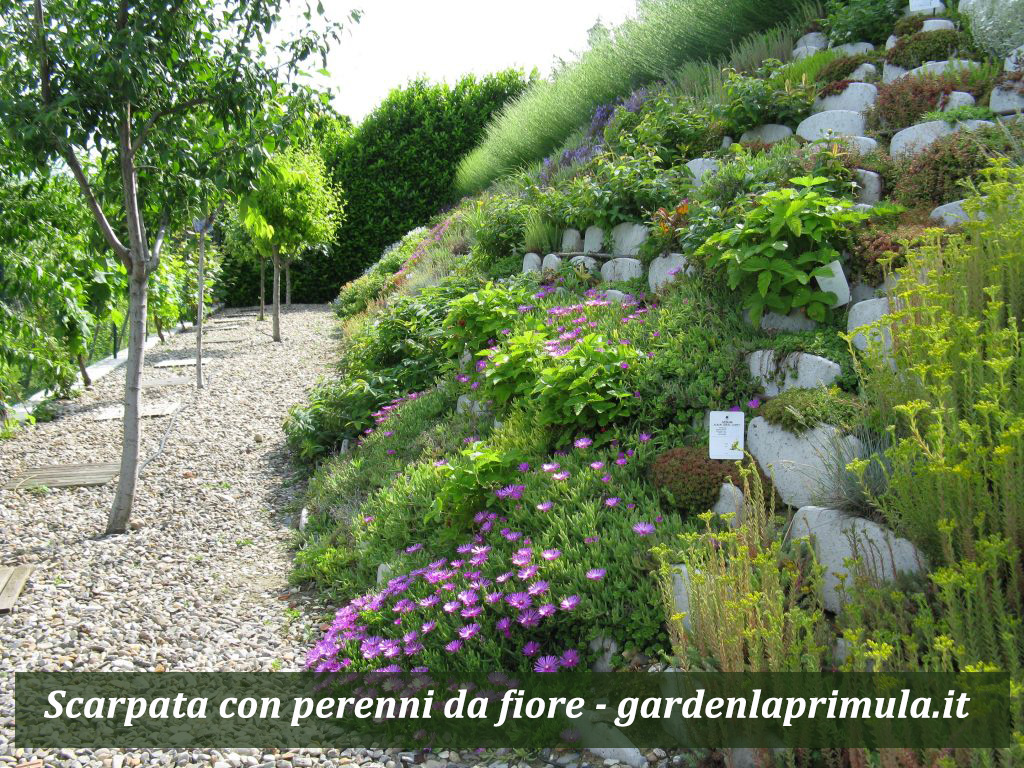
Future projects will prioritize green slopes, reinforced earth structures, and fences with minimal masonry components, allowing them to integrate more harmoniously into the urban setting. Changes in elevation between public and private properties can also be addressed through land contouring rather than relying on massive concrete structures. This approach helps create more open and pleasant spaces, fosters ecological continuity, and allows nature to move through the city with fewer obstacles. Ultimately, a more permeable city is a more welcoming place for both the people and the other living beings that inhabit it.
What is actually meant
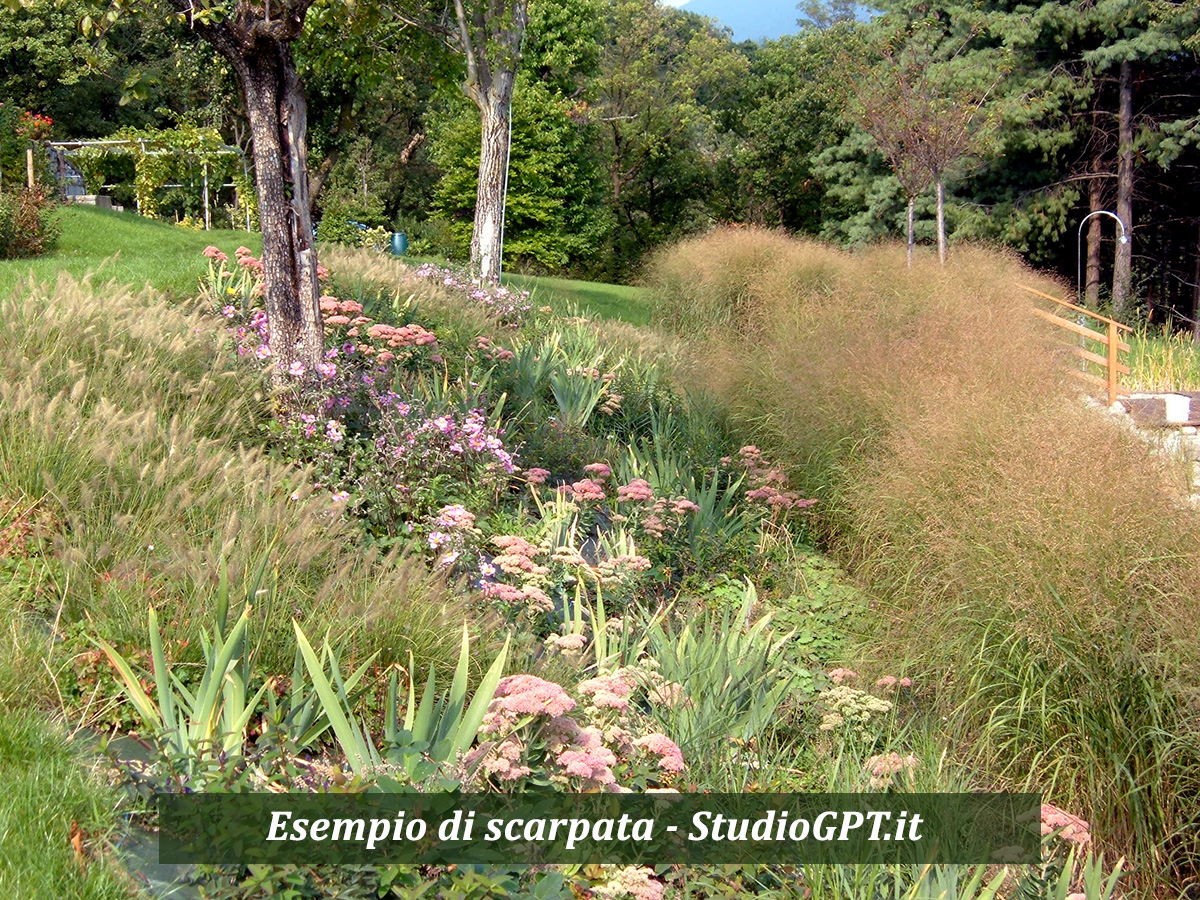
In urban settings, we take for granted that walls and fences are necessary to define public and private spaces, but that is not the case. A change in ground level—specifically a planted slope—can often serve as an excellent alternative to a fence, even if it requires more space. Here is a series of images showcasing examples of green slopes, reinforced earth structures, and fencing solutions that prioritize greenery over masonry without compromising security.
7 FEWER CONCRETE WALLS, MORE CONNECTED NATUR: WARNING
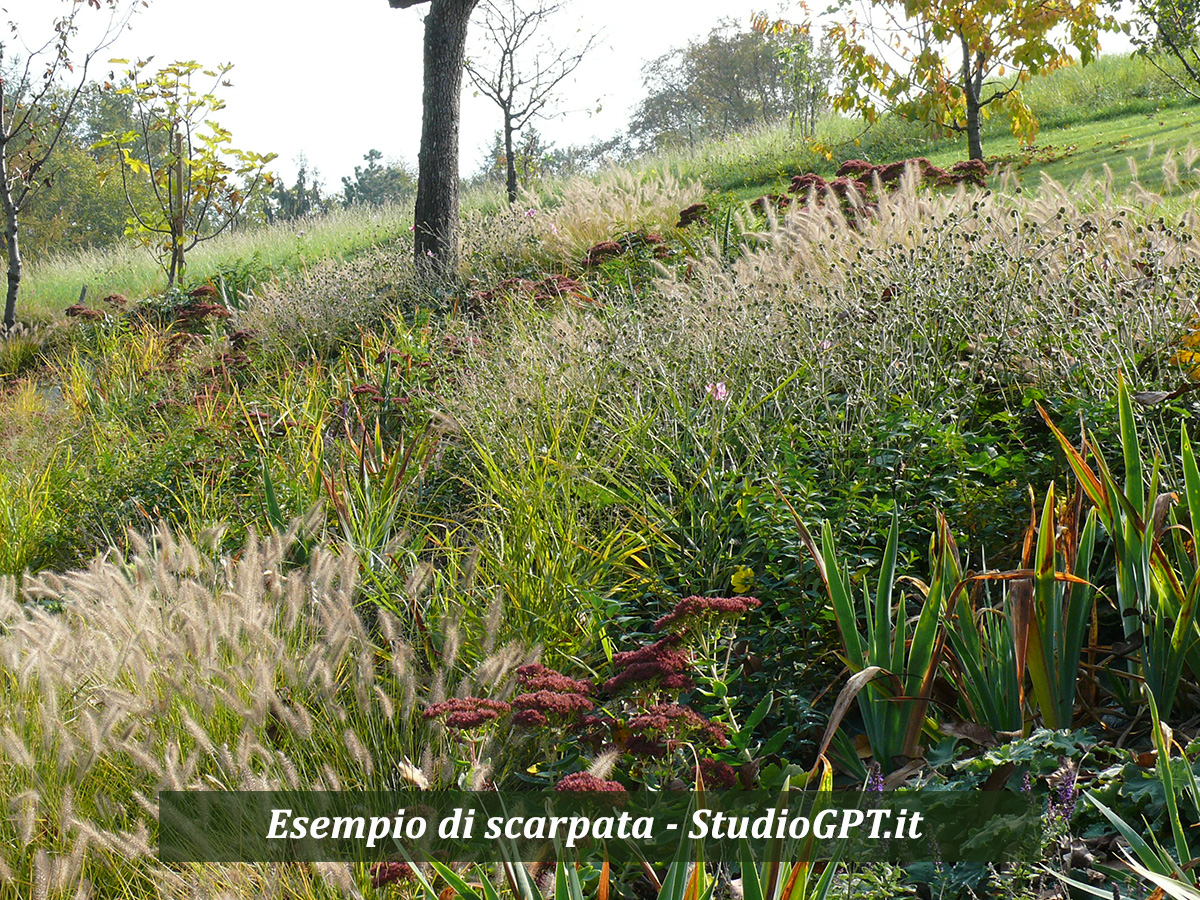
Phrases like “reduce as much as possible” and “prioritizing” are merely suggestions rather than obligations, rendering them useless unless strictly enforced by the relevant municipal bodies.
8 SAFER, MORE LIVABLE, AND GREENER STREETS
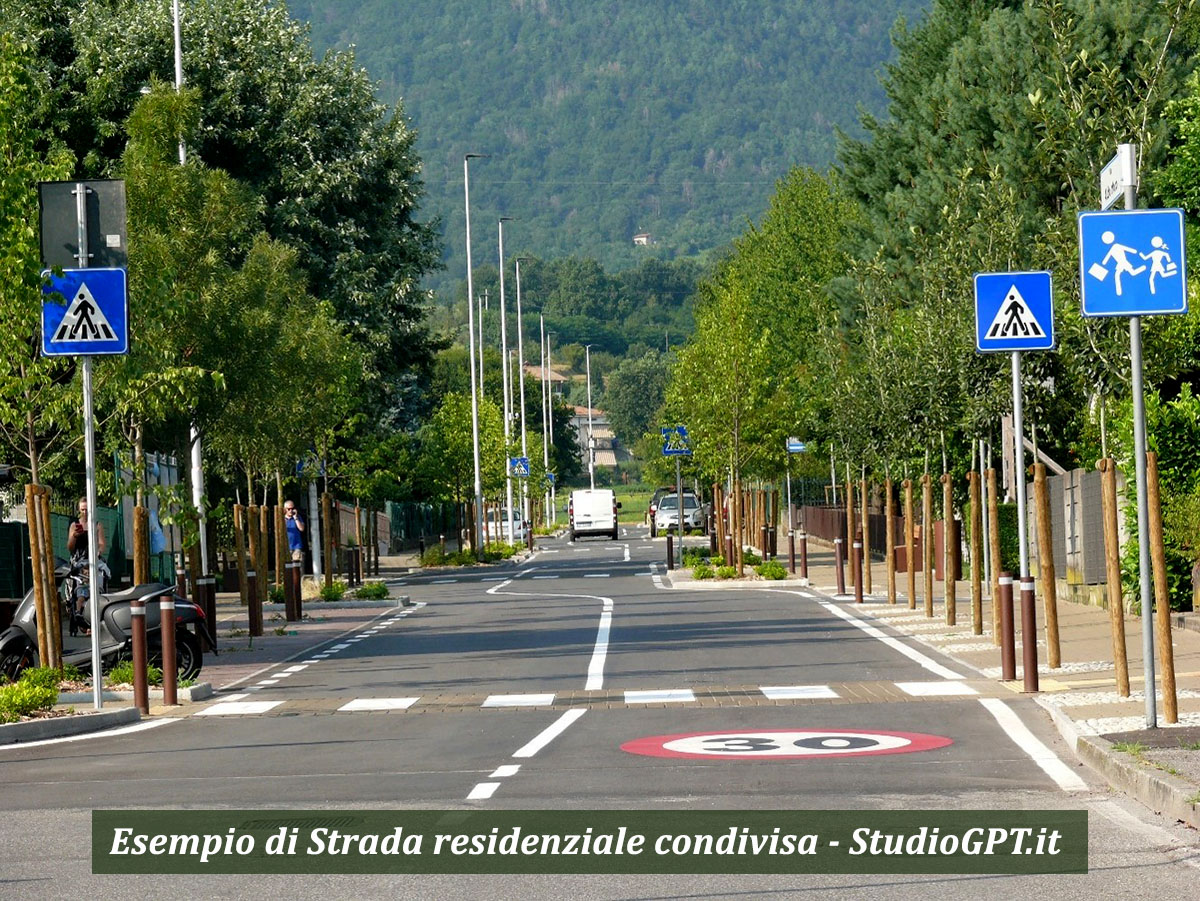
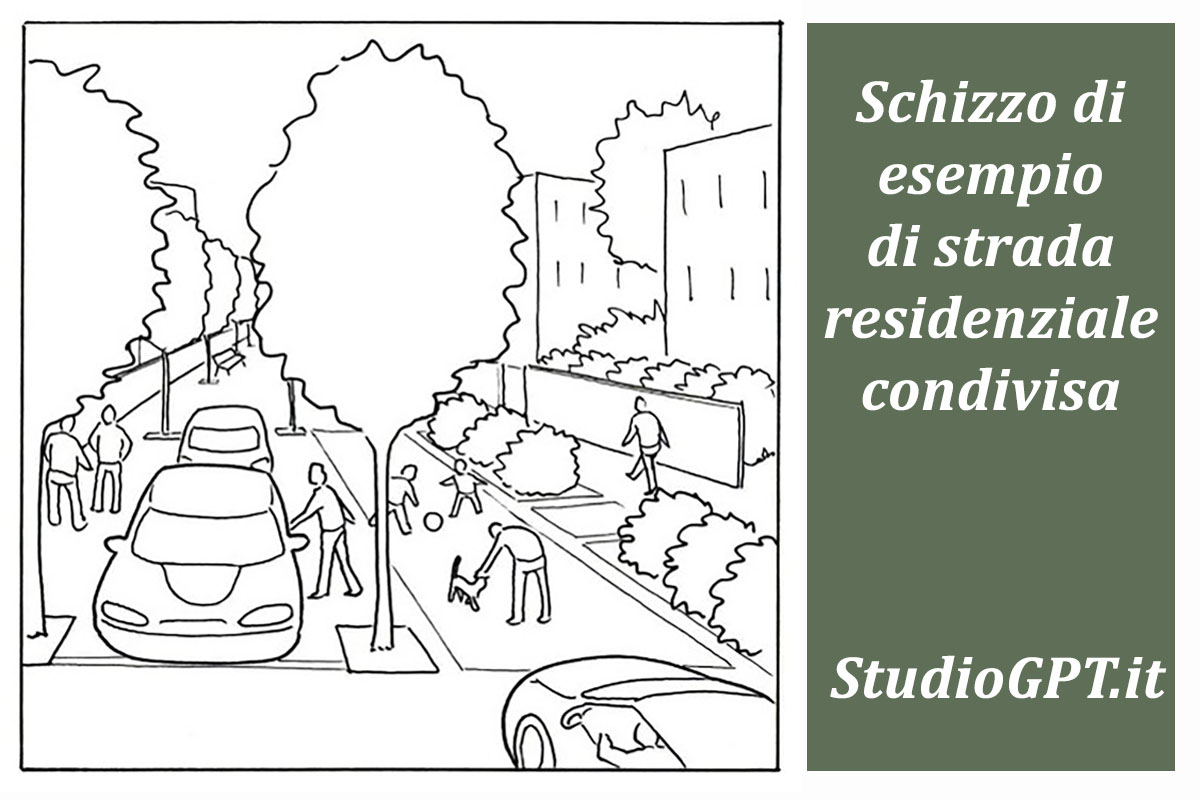
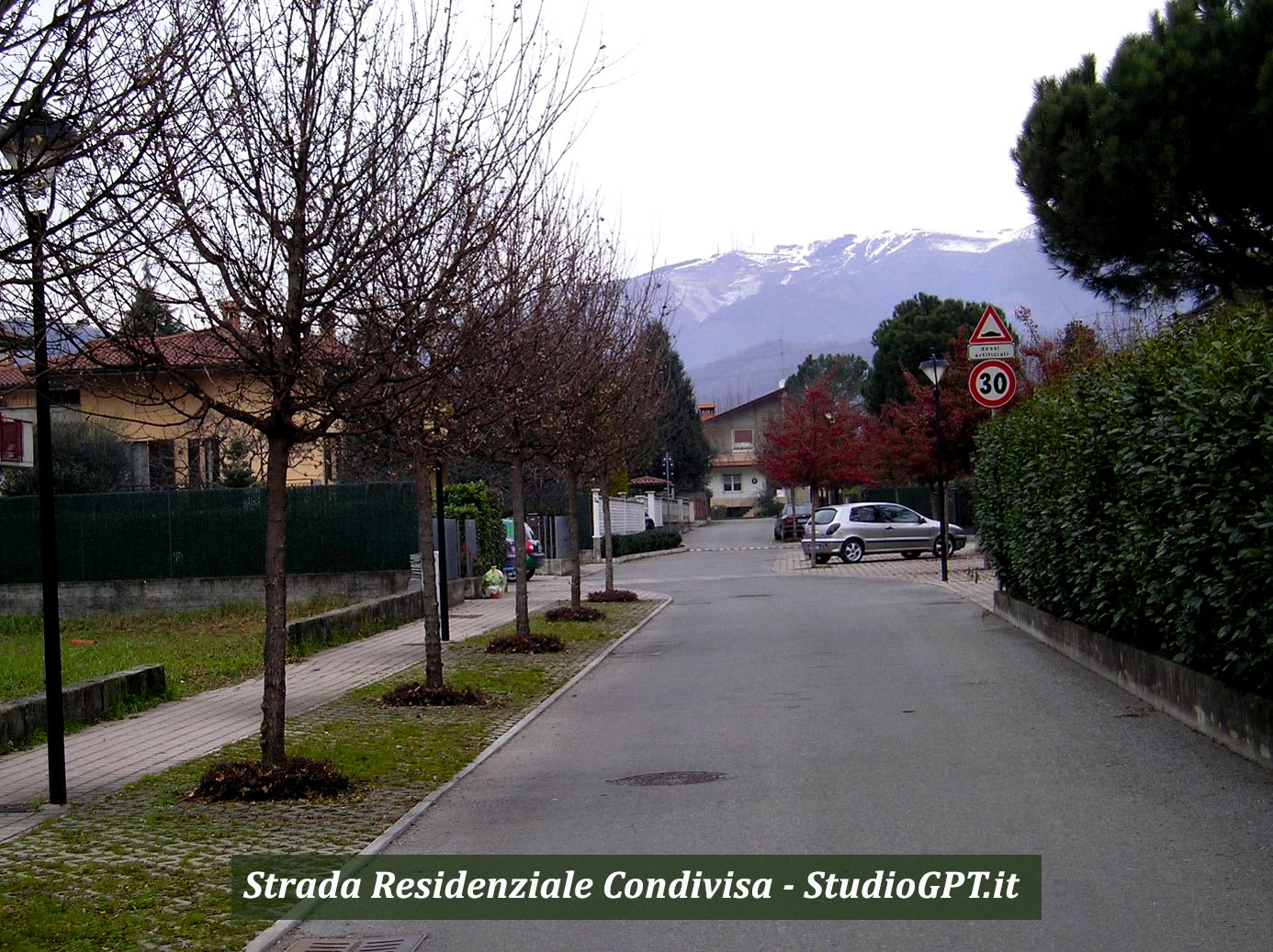
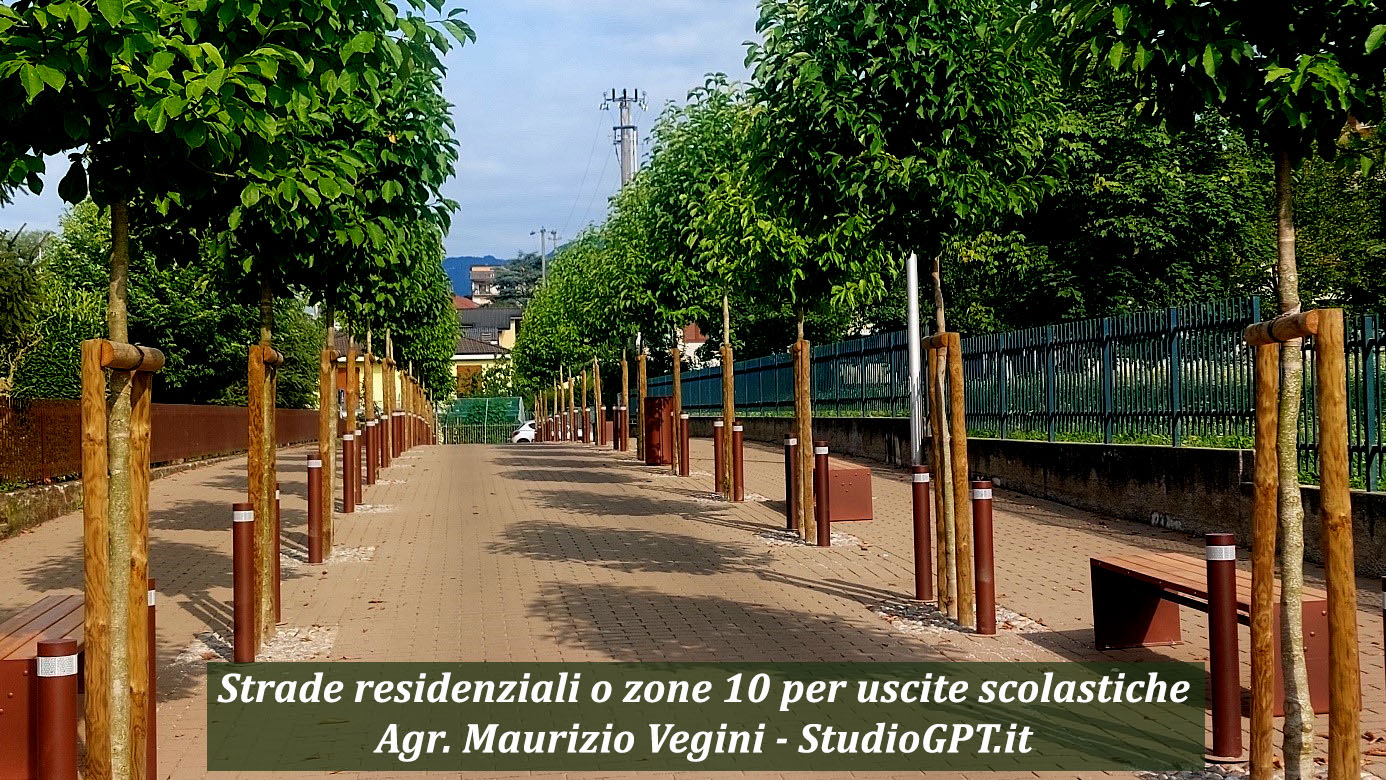
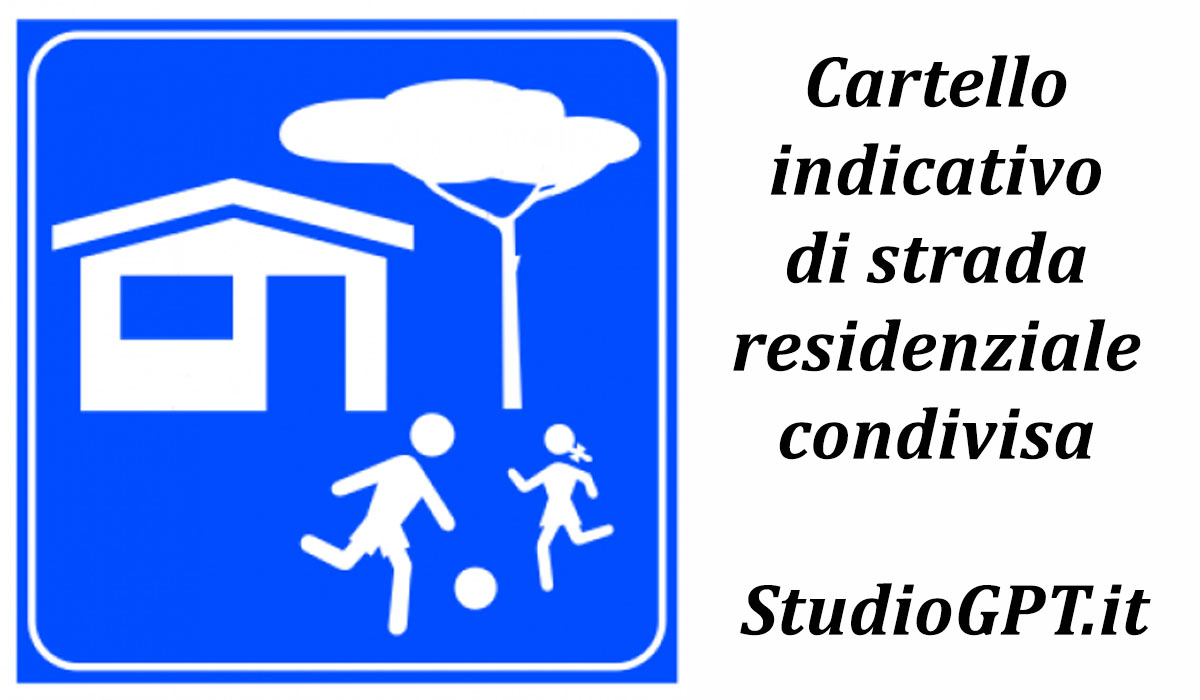
Streets are not merely spaces dedicated to cars; they are places experienced daily by pedestrians, cyclists, families, and local businesses. The new guidelines therefore promote traffic-calming measures designed to improve safety and the quality of public space, particularly in new neighborhoods and residential areas.
The goal is not simply to slow down vehicles, but to rethink the overall layout of the street to foster a more balanced coexistence among different modes of travel. Reducing the amount of asphalt also frees up space for trees, flowerbeds, and green areas. Greener streets thus become more pleasant places to traverse—naturally encouraging slower speeds—as well as spaces to be enjoyed and frequented, thereby strengthening the sense of community belonging.
What is actually meant
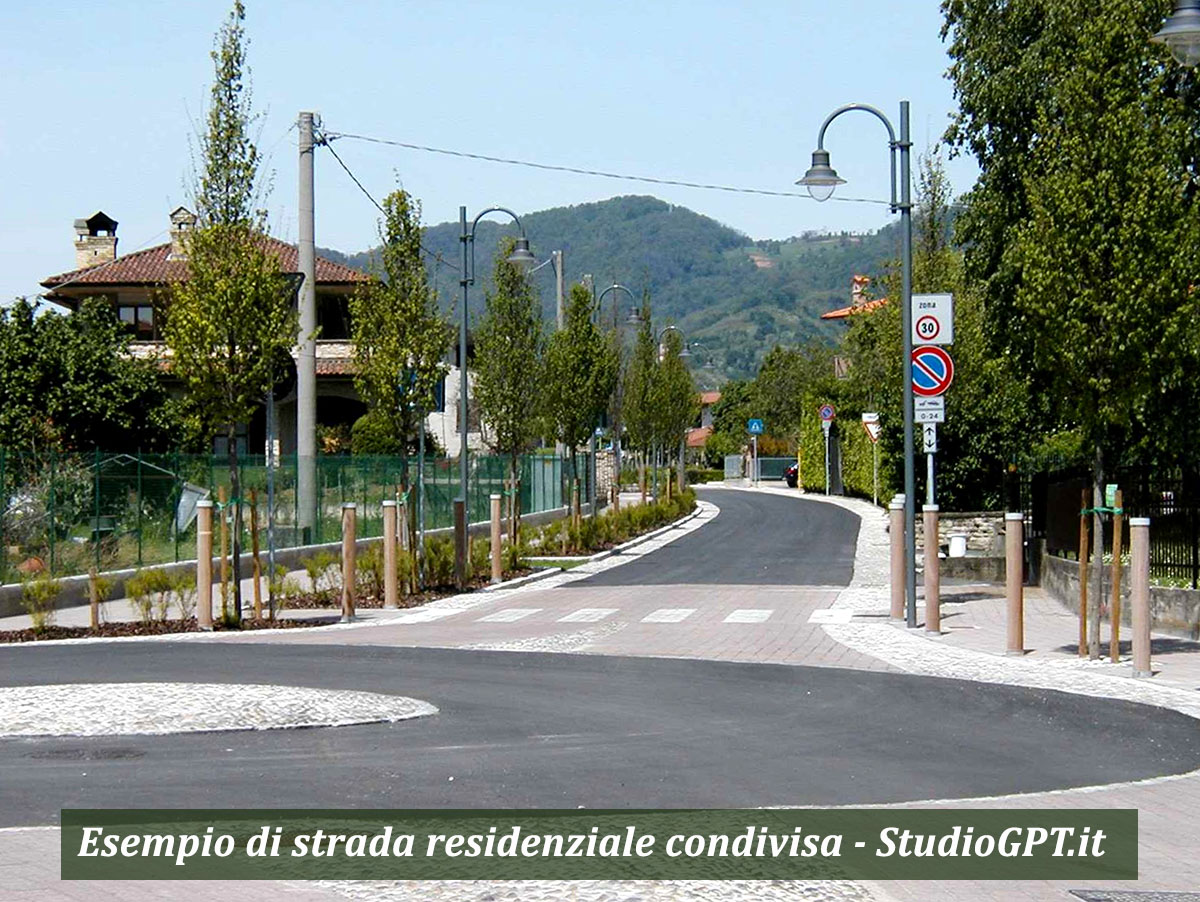
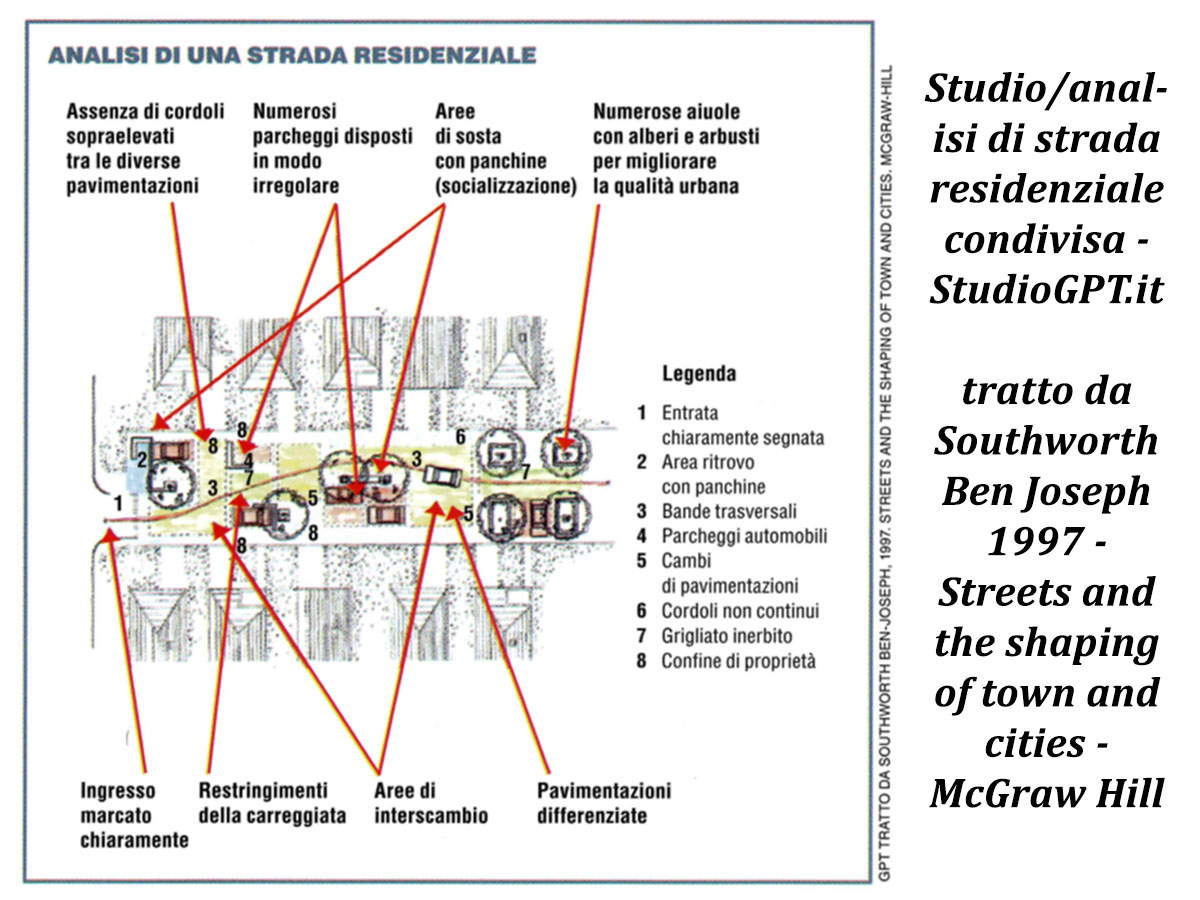
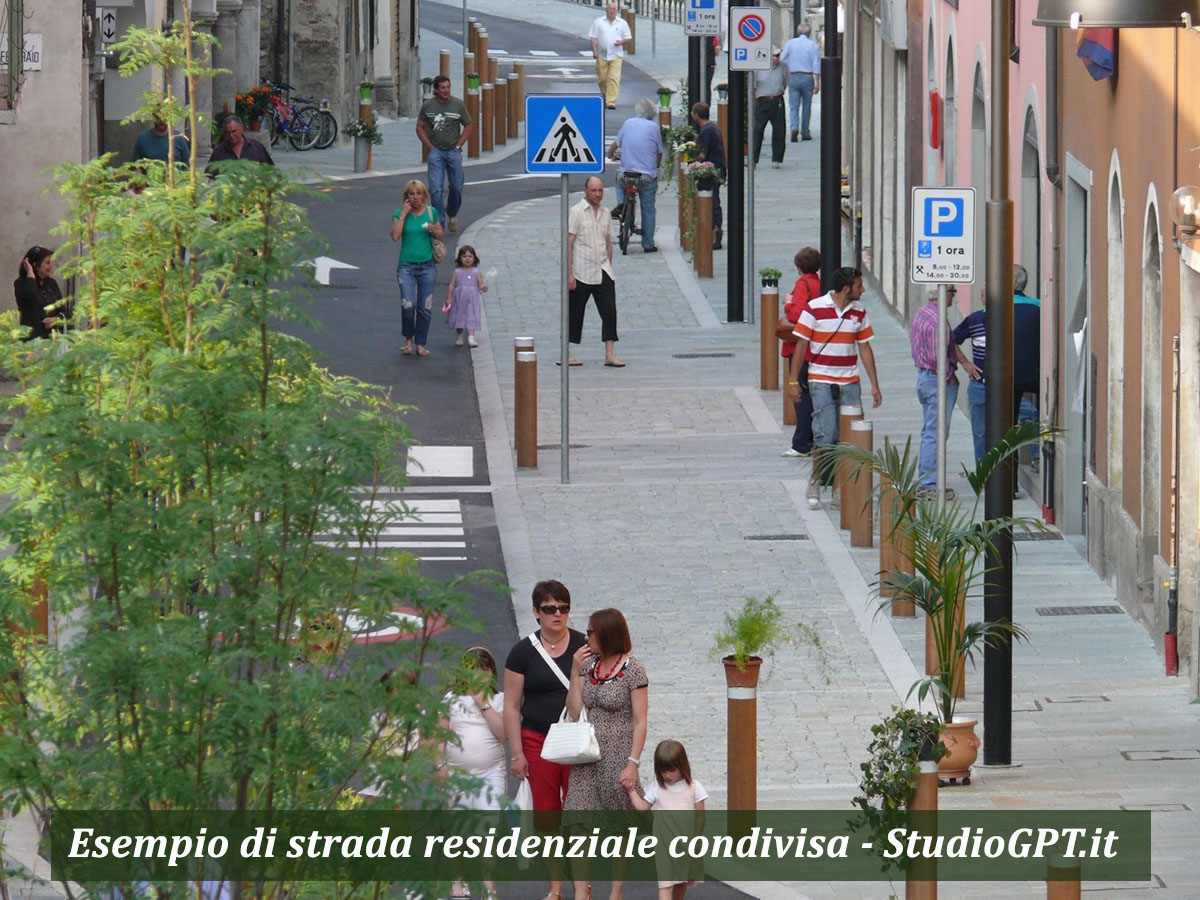
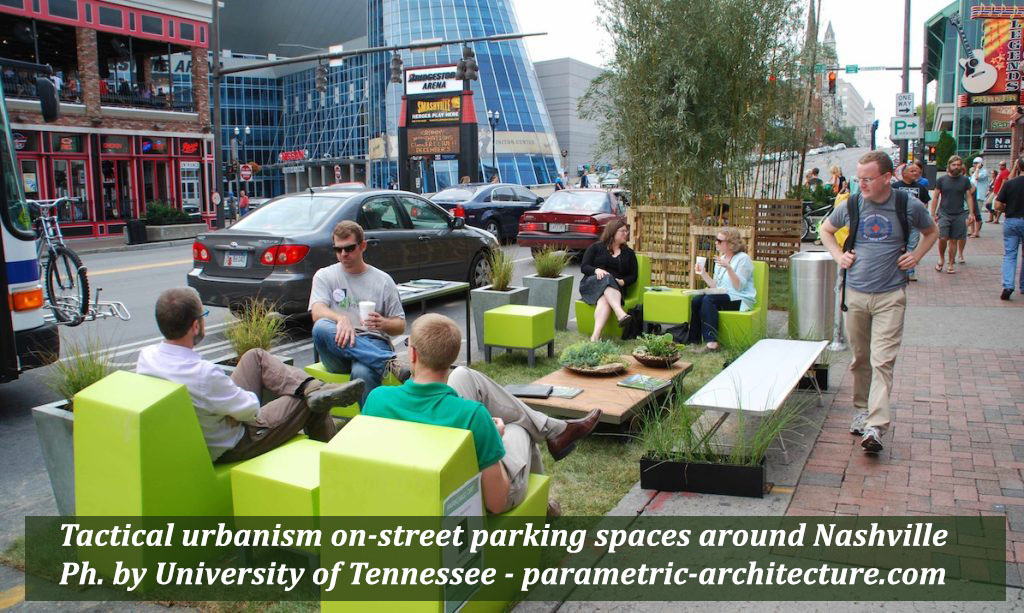
In Europe, this is known as “Tactical Urbanism” and involves slowing down vehicles by creating curves and chicanes that force drivers to reduce their speed. These curves create sidewalk spaces that can be used for trees, plants, benches, and livable areas—inviting people to stop, chat, rest, and, if possible, enjoy the shade. The playful aspect of this technique incorporates colorful paving to define the area and make it clearly recognizable from a distance to both pedestrians and motorists.
8 SAFER, MORE LIVABLE, AND GREENER STREETS: WARNING
Instead of “foster,” we would have used “restore”—which might seem like a matter of semantics, yet embodies the concept of recovering something we once possessed but have since lost in the name of dehumanized progress.
9 MORE SUSTAINABLE CONSTRUCTION SITES AND QUALITY PROJECTS
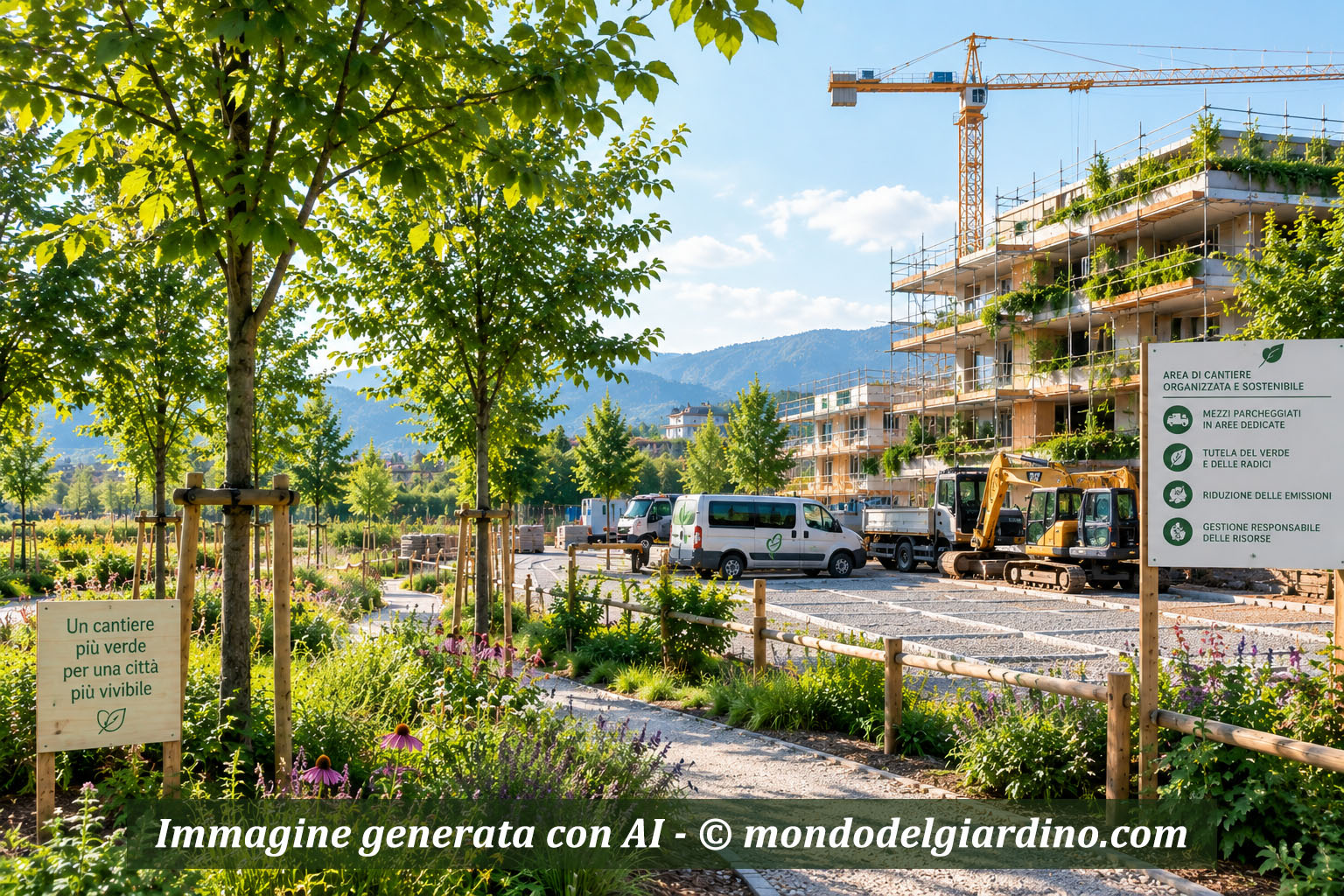
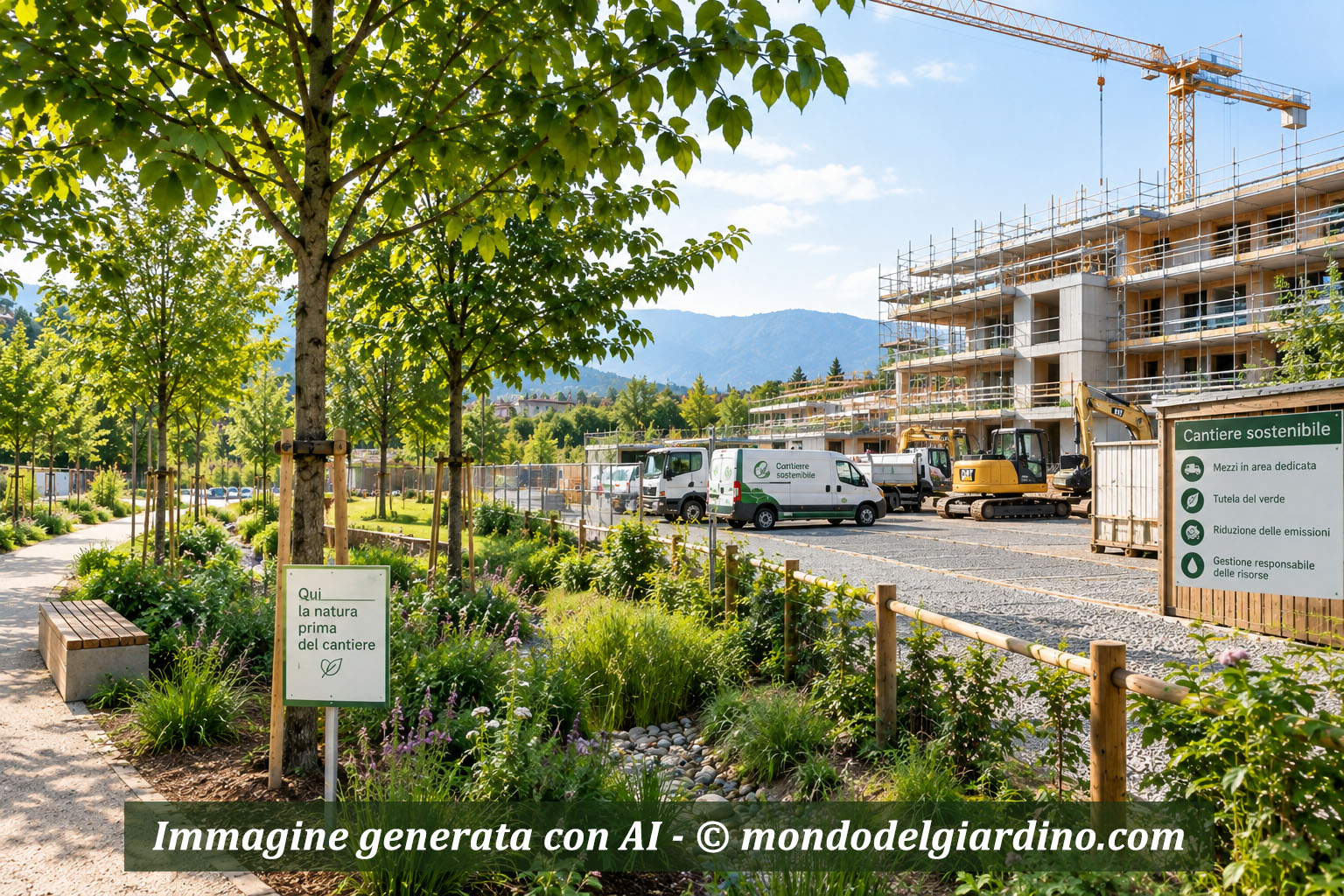
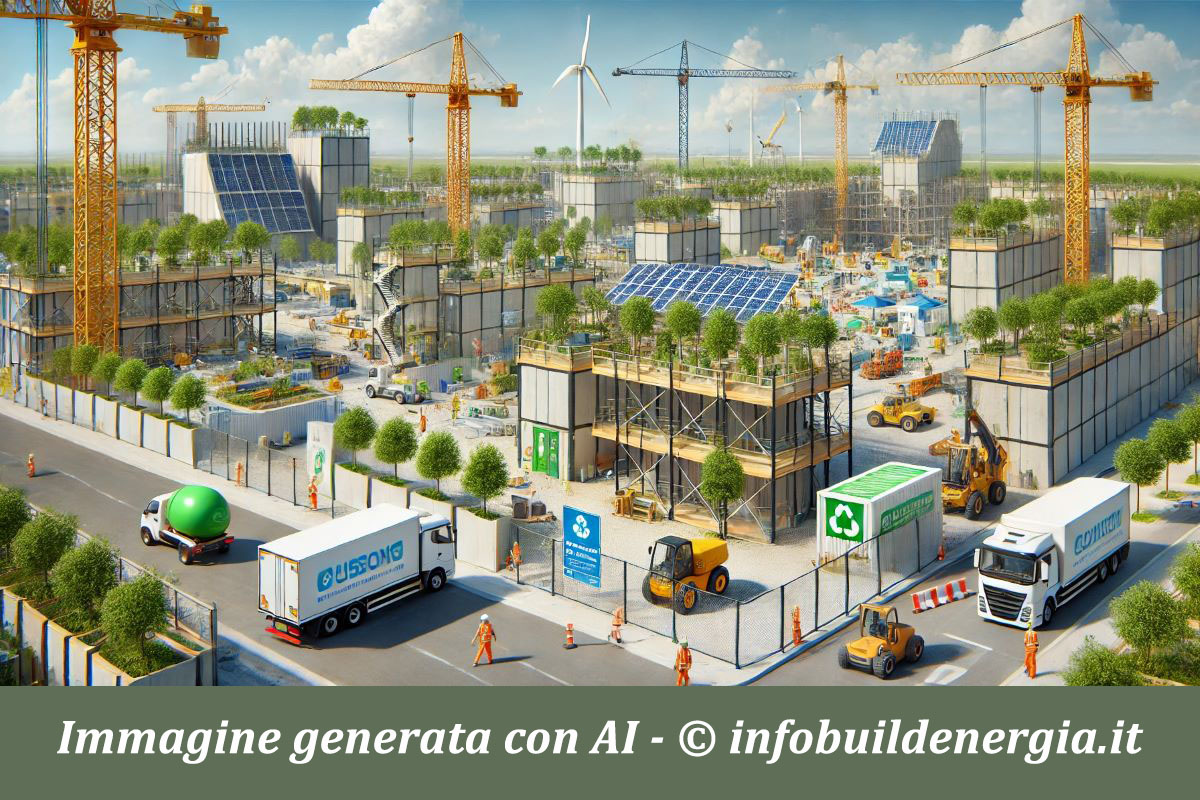
The environmental quality of a project depends not only on the final outcome but also on how the work is carried out. For this reason, the new guidelines require construction sites to adopt criteria that prioritize environmental protection, resource management, and the proper execution of green works.
Particular attention must be paid to soil protection, the use of suitable materials, the preservation of existing trees wherever possible, and the correct planting of new vegetation.
Public projects also require a guarantee that the planted vegetation will take root and survive for at least twenty-four months. The goal is to avoid short-lived interventions and instead invest in transformations capable of delivering concrete, long-lasting benefits.
What is actually meant
Have you ever taken a look at an active construction site? Heavy machinery is often parked on the grass and right up against the trees, crushing their roots. Contractors rarely concern themselves with the existing vegetation; during maneuvering, they frequently strike or even tear out the plants.
As for newly planted trees, they often arrive with a tiny root ball—hastily dug from dry, uncultivated soil. Having had its roots so severely pruned, the plant rarely manages to grow new ones.
POTTED TREES
Furthermore, tall trees grown in pots—where the roots have become coiled—will not be planted by unravelling them over a small mound of soil (as should be done) in a hole wide enough to accommodate the uncoiled roots; instead, they are simply placed—as-is—into a tiny hole.
This provision, therefore, aims to make such occurrences less frequent through new regulations; the phrase “it is also required” specifies that documentation guaranteeing successful establishment for a period of 24 months must be provided—which is a good thing!
9 MORE SUSTAINABLE CONSTRUCTION SITES AND QUALITY PROJECTS: WARNING
By now, you know what we are wondering: who will decide “when possible”? If no one checks, the contractor or construction company could claim it wasn’t possible, even if that wasn’t true.
10 PROUD TO LIVE IN A CITY THAT MAKES ROOM FOR NATURE
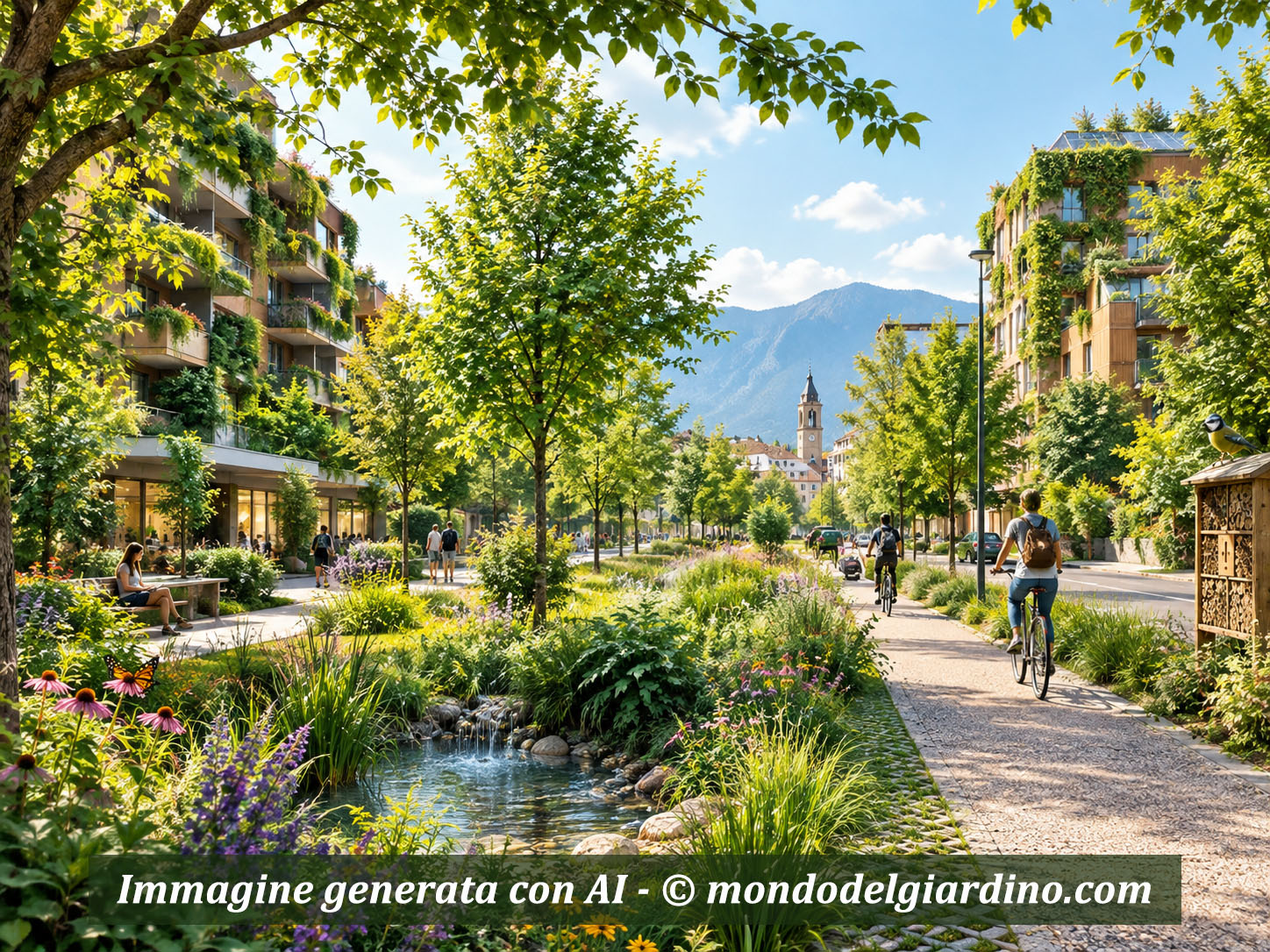
Increasing biodiversity means more than just planting trees or creating new green spaces. It also means recognizing that the city is inhabited by many other forms of life with which we share the same environment. Swallows, swifts, house martins, bats, hedgehogs, pollinating insects, amphibians, and small reptiles play a vital role in the balance of urban ecosystems and deserve to find suitable spaces where they can live, feed, and reproduce.
For this reason, the new guidelines encourage the integration of features that support local wildlife into projects—such as artificial nests built into building facades, nesting tiles for swifts, dedicated bird structures, and small design adjustments to facilitate animal movement. At the same time, attention will be paid to protecting existing nesting sites and respecting the breeding periods of local species.
What is actually meant
This point is aptly summarized by a phrase that agronomist Maurizio Vegini himself includes on the cover of the original text:
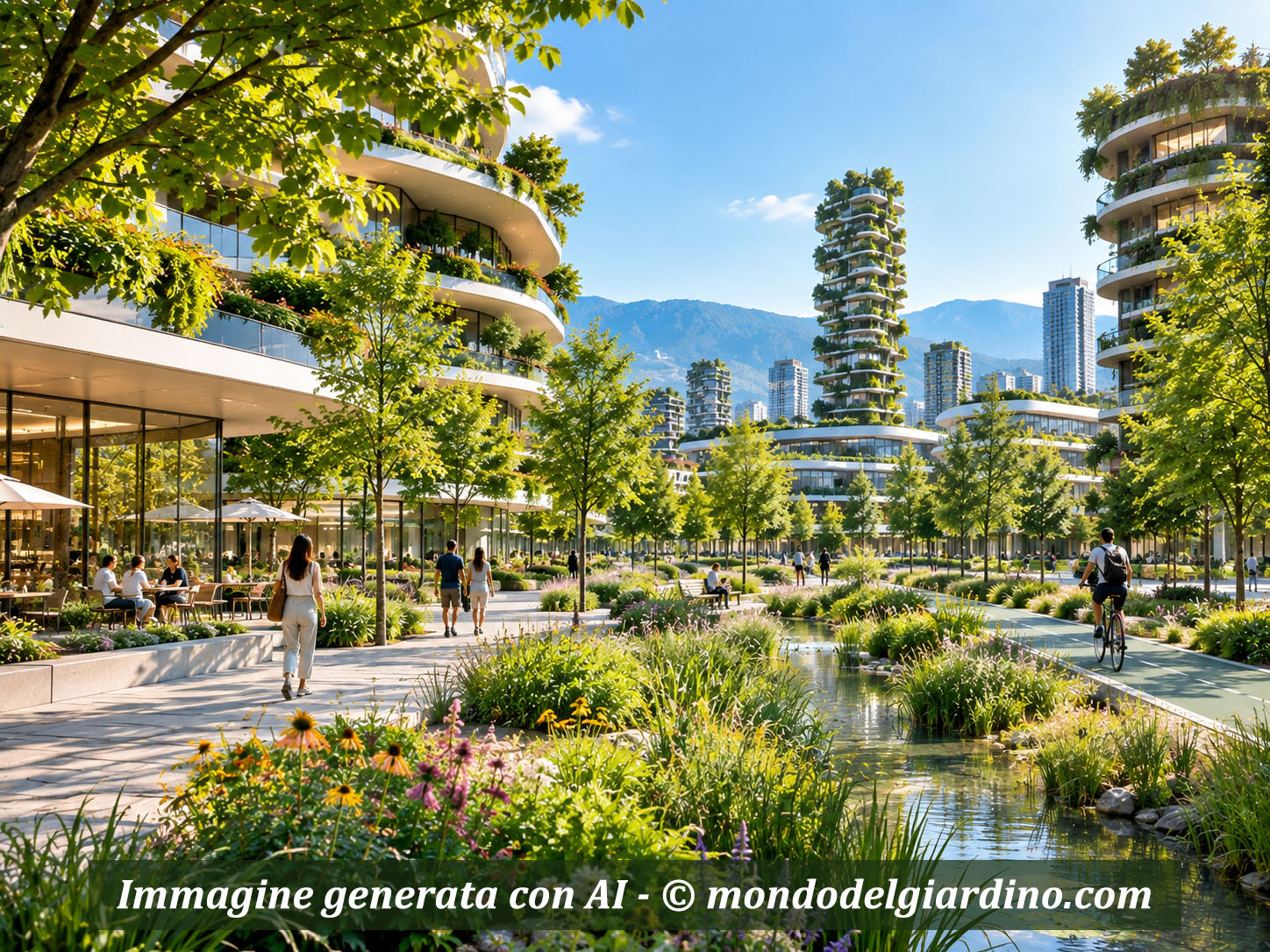
“[…] shifting from the idea that the city hosts green spaces to the idea that Nature hosts the city” (European Forest Institute – EFI). This tenth point encapsulates the entire concept behind these guidelines, which aim to create a city that is more livable in its outdoor spaces. It envisions the creation of roles dedicated to these inspections, as well as offices to oversee the associated projects.
10 PROUD TO LIVE IN A CITY THAT MAKES ROOM FOR NATURE: WARNING
“Inviting” is little more than a smile behind a fan… we need to be bolder in demanding respect for the new reality. “Attention will be paid” is all well and good, but we would like to understand what that actually entails: will an ornithologist be brought in once a year to check the situation? And what happens if someone dismantles an existing nesting site? Will they be fined? How will new nesting sites be proposed?
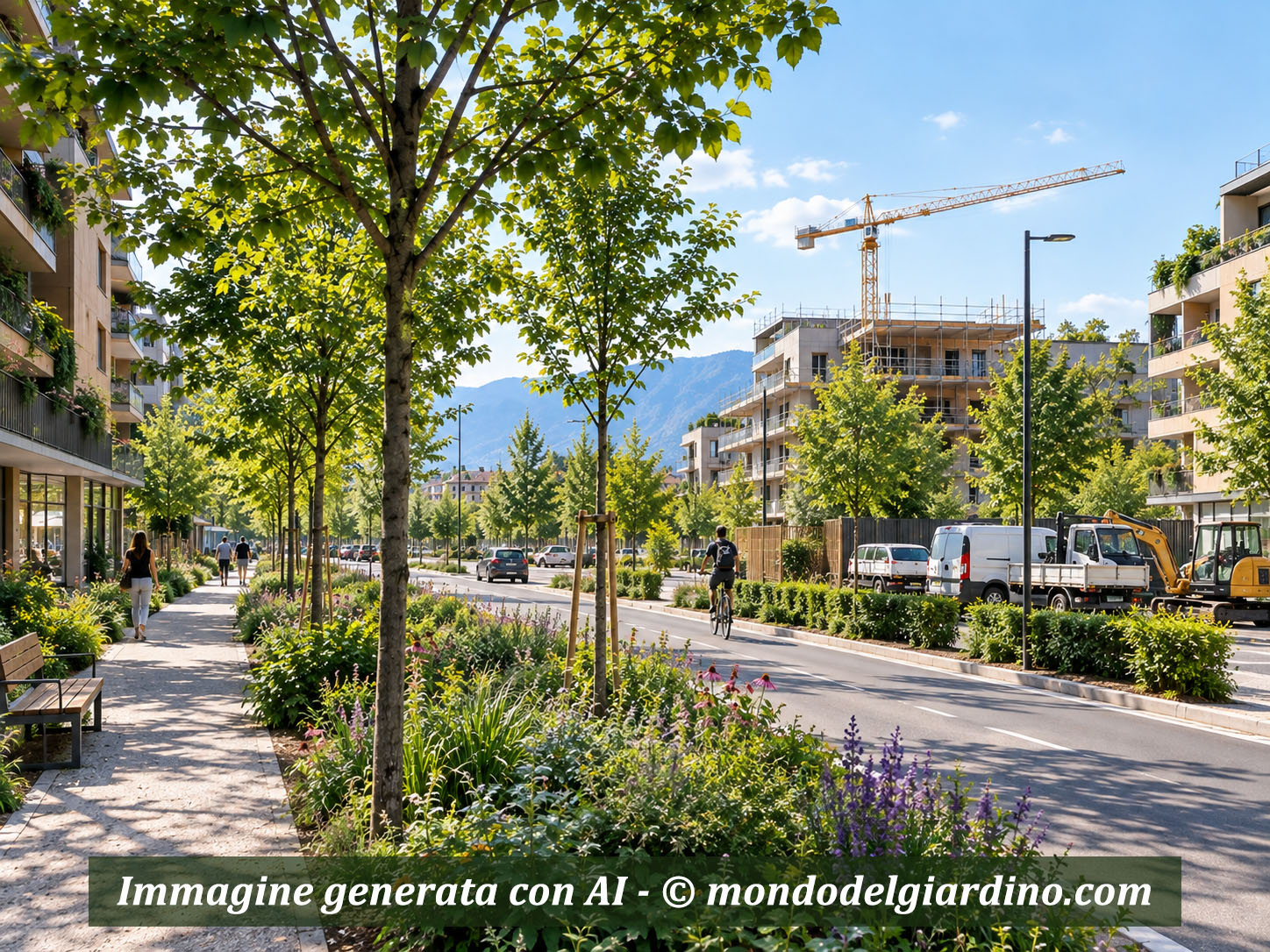
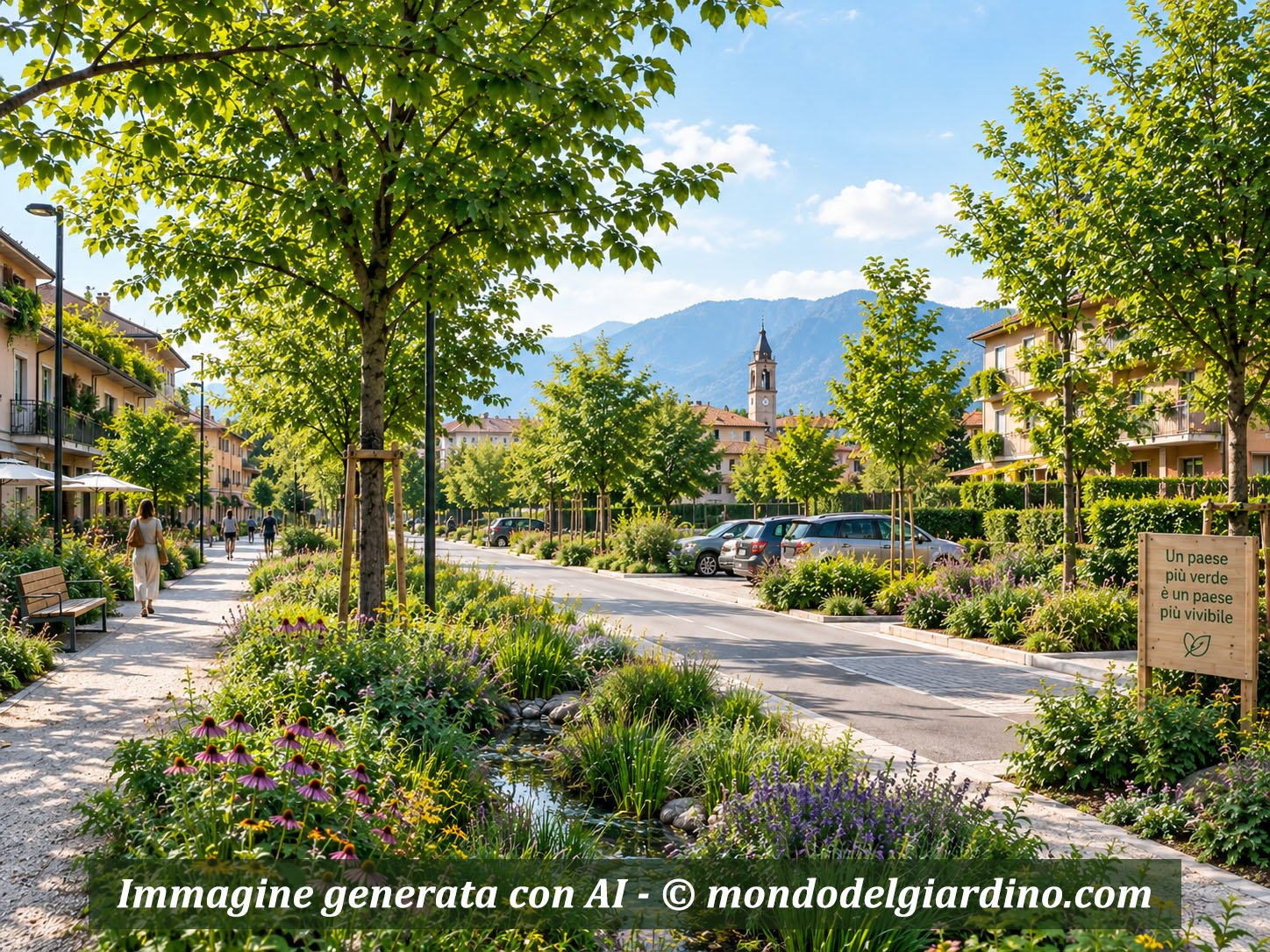
THE 10 GREEN LINES: CONCLUSIONS
While Seriate is not the first municipality in Italy to adopt certain measures, it is not the only one. There is still a long way to go, but in this article, we wanted to break down the various components and analyze them together, because the questions that need to be asked are often significant.
The press conference
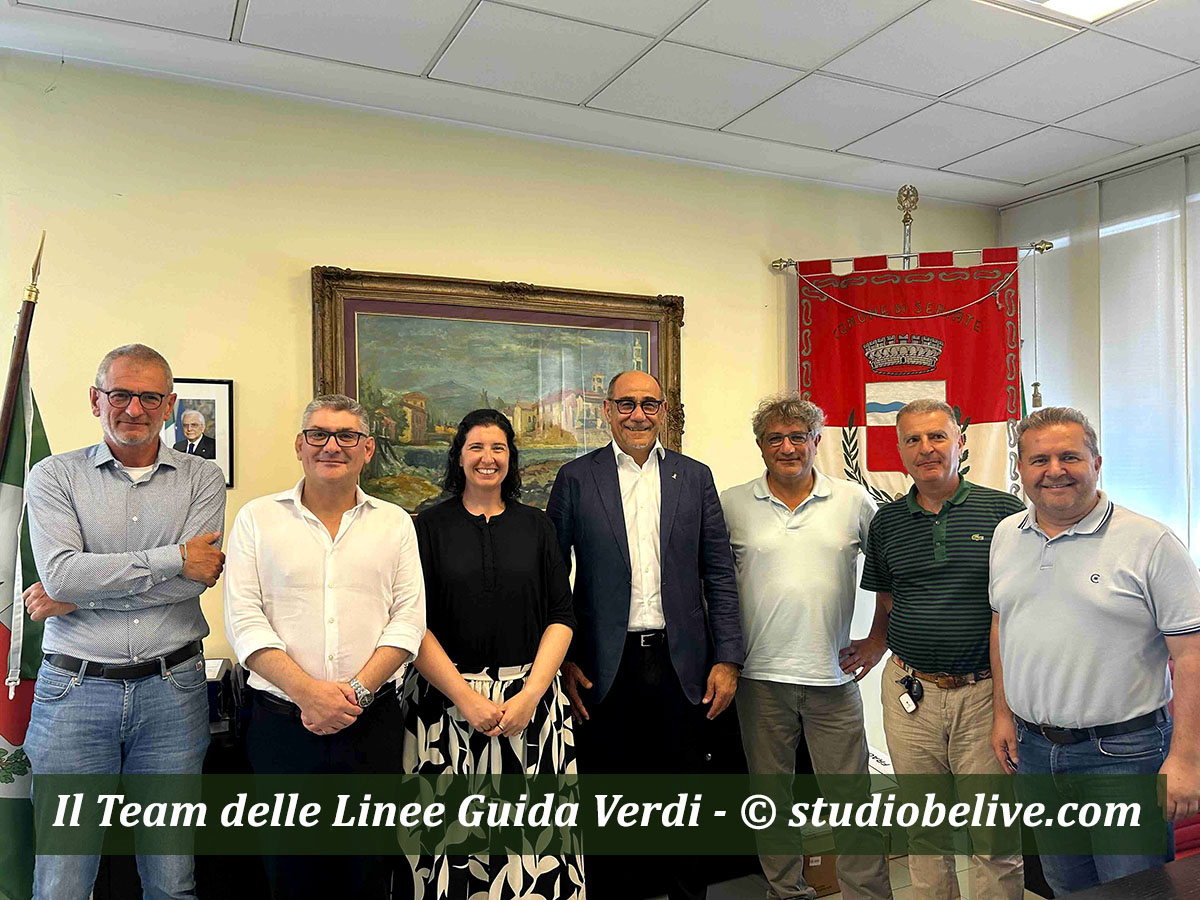
In addition to the Mayor, the press conference was attended by Councilor for the Environment Ester Pedrini, executive Domenico Leo, and Massimo Bandera (Head of the SUAP and Environment Service), as well as Maurizio Vegini—the project’s driving force, an agronomist and greenery specialist commissioned to draft the guidelines, and a renowned landscape architect from the Bergamo-based GPT studio (alongside the celebrated Lucia Nusiner).
Donato Musci (President of the Order of Engineers of Bergamo) and Diego Ratti (Treasurer of the Order of Architects, Planners, Landscapers, and Conservationists of the Province of Bergamo) were present as observers for the time being, though they are also potential future partners for extending this initiative to the rest of the province.
The Mondo del Giardino advice
This is a first step toward a more livable city. Do not mistake it for the final destination. The city, the streets, the neighborhoods, the homes, and the public spaces are—and must remain—important to the lives of the people who inhabit them. We have only just begun to tell you about the world to come—with your help, too.
Now let’s get started! The work awaits us! Our wonderful new outdoor space is about to be born!
GOOD WORK, and…if you have any questions, please write to info@mondodelgiardino.com